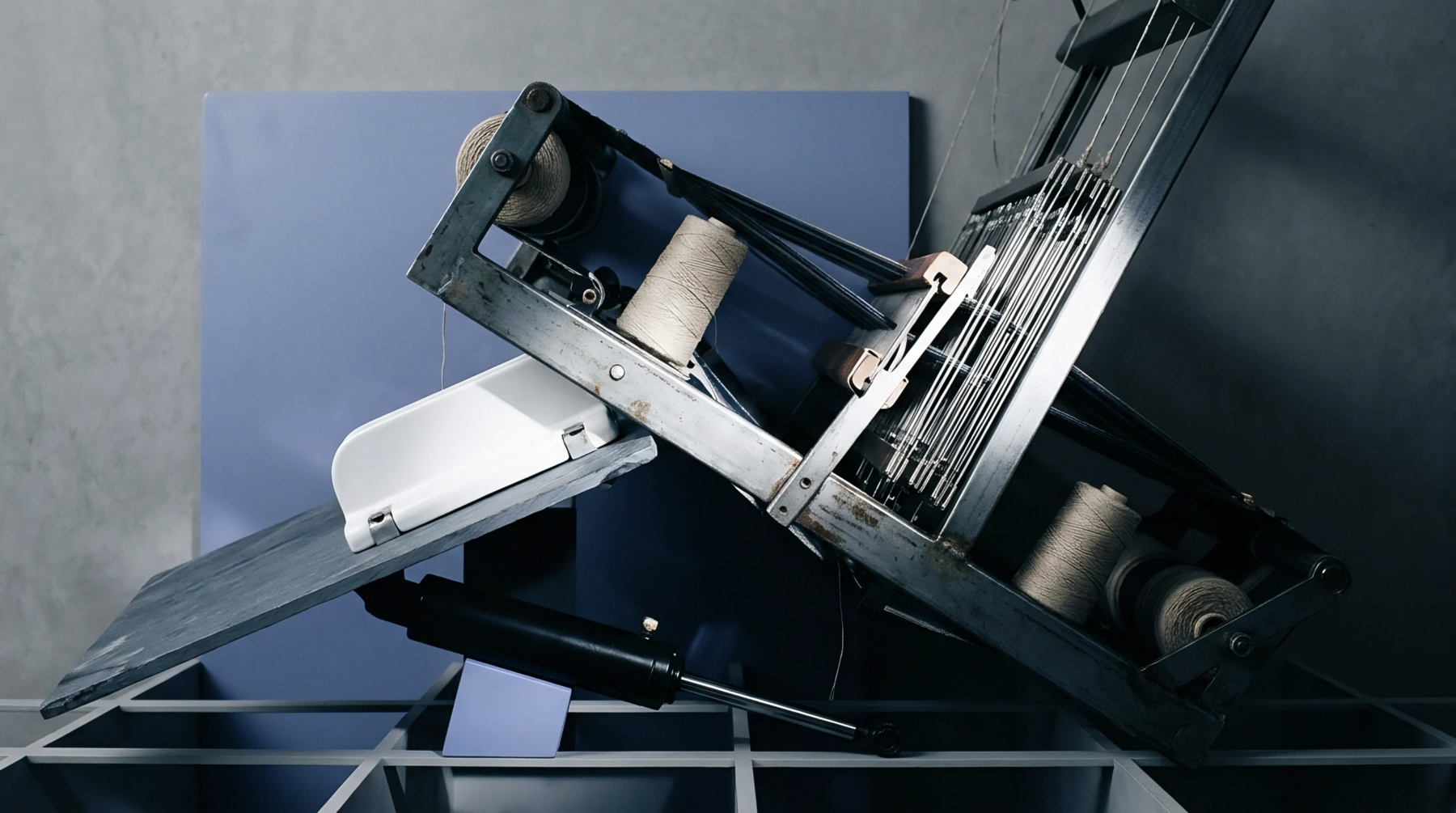
Surface Alignment
Maintenance routines for the fabric inspection station ensure that the visual data collected by the operator is accurate and repeatable. The linen perch calibration involves checking the angle, the flatness, the height and the lighting of the viewing table to eliminate parallax errors. This process ensures that the length and width measurements taken during the final grade are consistent with international textile standards.
A properly aligned perch allows the technician to spot skewing in the weave that would otherwise be hidden by a warped surface.
Measurement Precision
Standardizing the tools used for defect marking requires regular verification against certified reference instruments. During a linen perch calibration, a master ruler is placed on the surface to confirm that the electronic counters and manual markings are perfectly synchronized. The tension of the rollers must also be checked to ensure the fabric is not being stretched while it is measured.
A deviation of even a few millimeters per meter can lead to significant disputes over the total yardage of a shipment. Technicians document these findings in a service log that remains with the machine for audit purposes.
Inspection Validity
The final certification of a fabric roll depends on the reliability of the environment where it was graded. Regular linen perch calibration prevents the accumulation of small errors that could lead to the rejection of high quality cloth. The process concludes with a verification of the light intensity across the entire work surface to ensure no shadows interfere with defect detection.
If the inspection station fails to meet the criteria, the mill must re-evaluate all fabric processed since the last successful check.