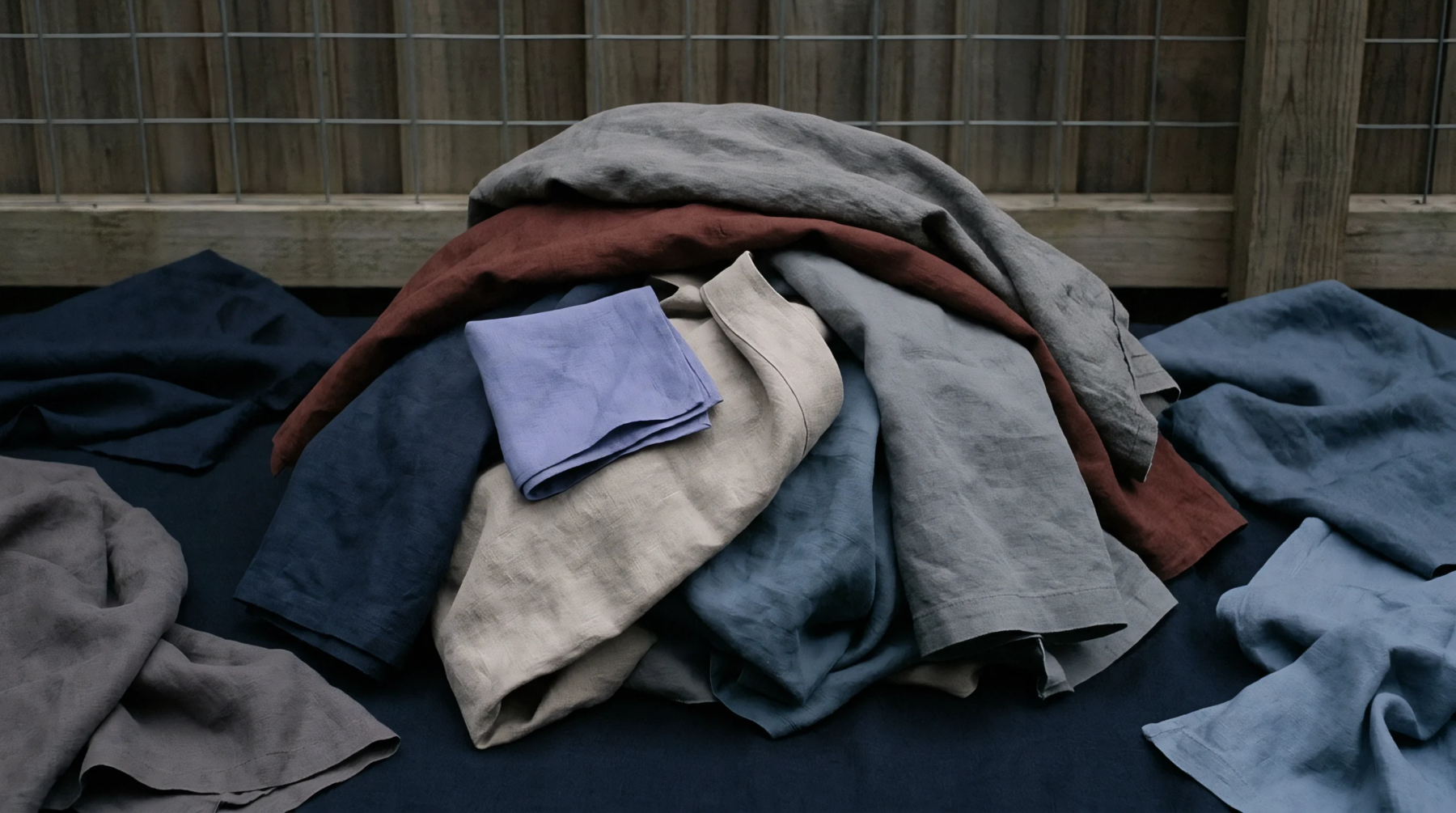
Fabric Density
Gravimetric determination identifies the weight of textile materials per unit area by measuring conditioned samples according to standardized laboratory procedures. The iso 3801 mass testing method dictates the extraction of specimens from a full width sample, which undergo drying in a ventilated oven until they reach a stable weight. Analytical scales then record the final mass before the calculation of grams per square meter takes place.
This protocol provides the baseline data for verifying commercial contracts where the weight of the finished cloth dictates the pricing structure.
Calculation Protocol
Precise arithmetic conversion transforms the dry specimen mass into a standardized areal density value. Technicians divide the mass of the conditioned specimen by the calculated area to derive the result for the entire production lot. Variations occur when high humidity levels influence the fibre moisture content, requiring the use of a corrected dry mass to maintain consistency across different geographic production sites.
Suppliers apply these corrections to prevent disputes arising from environmental exposure during transit or warehouse storage.
Quality Benchmarking
Consistent weight metrics ensure that the production output meets the technical specifications agreed upon between the mill and the buyer. Fabric grades often hinge on the tight tolerance of this measurement because heavy deviations suggest improper tension settings on the loom or inconsistent yarn counts within the warp and weft. Accurate records of these tests confirm that the final roll matches the ordered specifications before the goods depart the finishing facility.
This objective verification process prevents the shipment of noncompliant inventory.