Metrological Standard
Global testing procedures establish the quantitative weight per unit area of textile materials to verify compliance with purchase agreements and import duties. The standard known as iso 3801 fabric mass prescribes the physical preparation, conditioning atmosphere and weighing methods used to measure interlaced linen cloth. Export mills in China run this test on every finished batch of linen to certify that the shipments meet the weight tolerances specified by western garment brands.
This laboratory standard governs only the physical mass of the fabric and does not measure chemical finish residues or yarn composition.
Experimental Execution
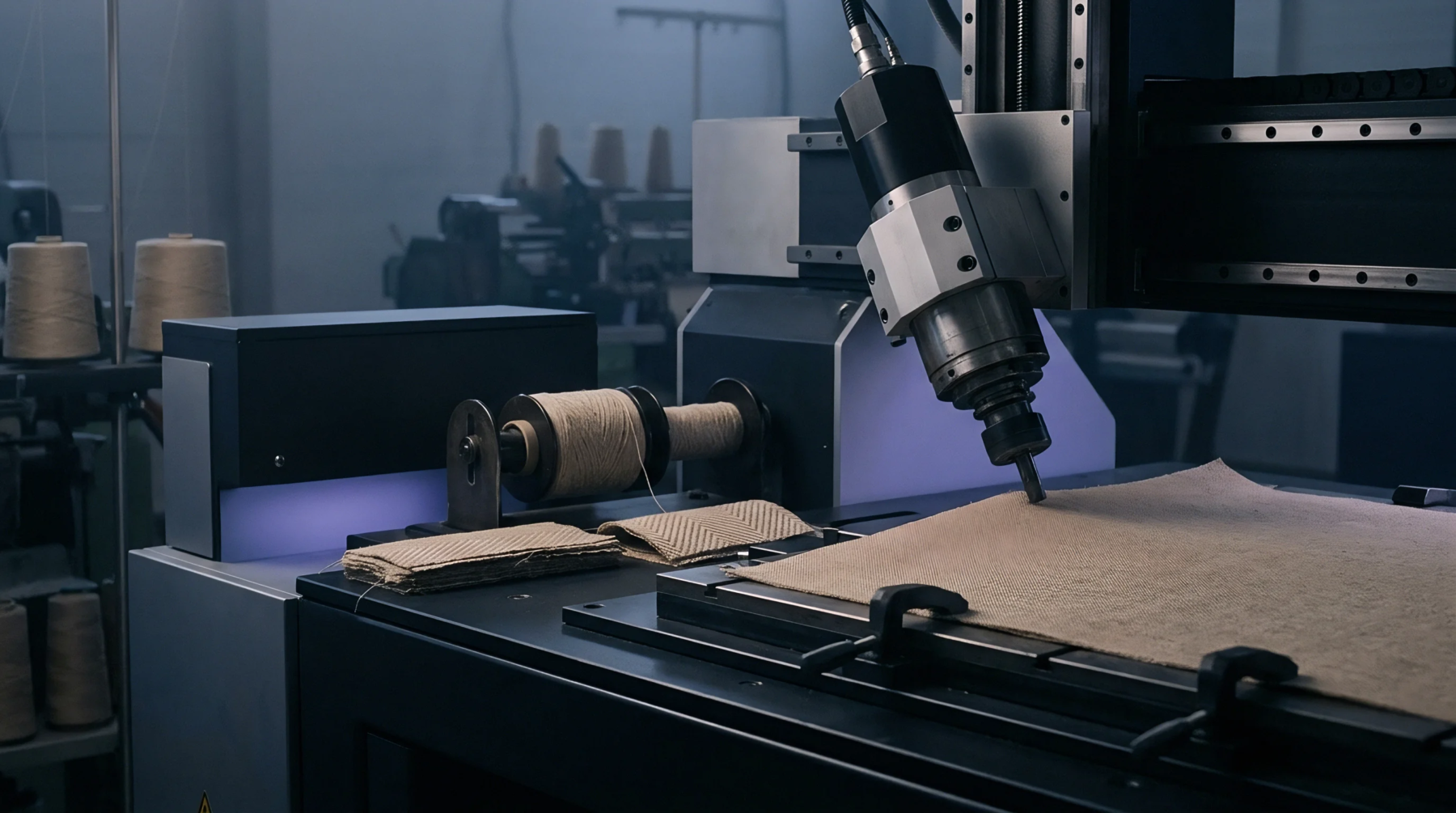
Conditioned specimens are cut from the finished roll using standard circular die cutters that yield a known area of exactly one hundred square centimetres. In the determination of iso 3801 fabric mass, these small specimens are weighed on a precision balance after they have spent twenty-four hours in a standard atmosphere of sixty-five percent relative humidity and twenty degrees Celsius. This conditioning process is necessary because linen absorbs atmospheric moisture, which artificially increases the weight if the sample is tested straight from the factory floor.
Commercial Acceptance
The resulting mass per square metre forms the base figure for calculating fabric density during customs declarations. Having this certified value prevents penalties for weight discrepancies at destination ports.