Tension Load
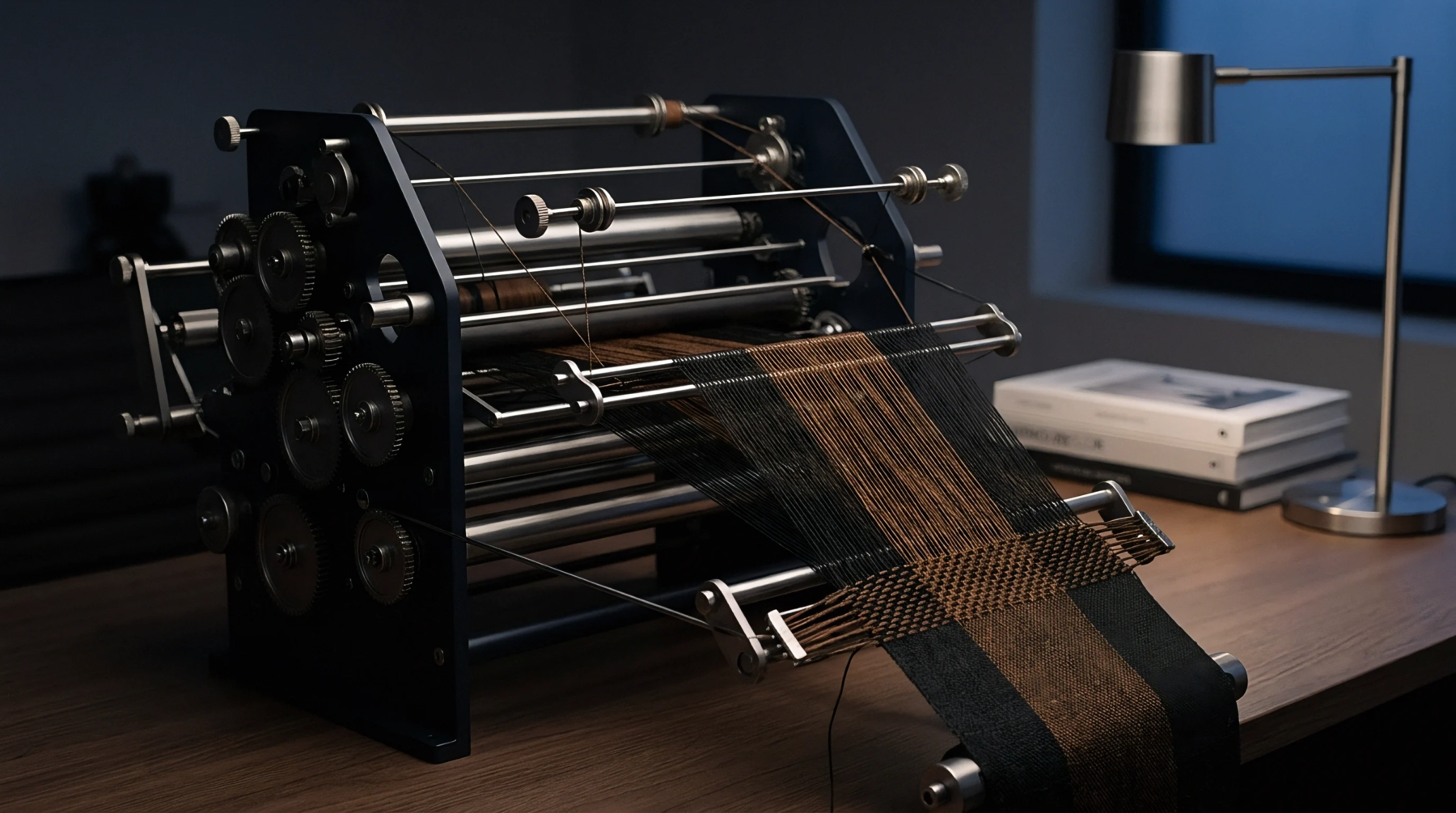
Mechanical force generated during the rapid movement of a weft yarn across the loom width dictates the physical requirements for high speed weaving. Insertion dynamic stress records the peak forces acting on a linen thread as it leaves the feeder and enters the shed. This stress is significantly higher than the average winding tension due to the acceleration required to cross the fabric in a fraction of a second.
Insertion Dynamics
Air-jet and rapier systems apply different profiles of force to the yarn during the picking cycle. In an air-jet loom, the friction of the compressed air along the surface of the flax fibres creates a distributed load. Rapier looms apply a more localized pull at the tip of the yarn which increases the risk of a clean break at the transfer point.
Laboratory sensors placed on the loom frame capture the insertion dynamic stress to help engineers optimize the timing of the nozzles or the grippers. Managing these peaks reduces the frequency of loom stops and improves the overall fabric quality.
Operational Limit
Stress levels must stay below seventy percent of the yarn’s dynamic strength to ensure reliable production. Crossing this threshold leads to microscopic damage in the cellulose structure.