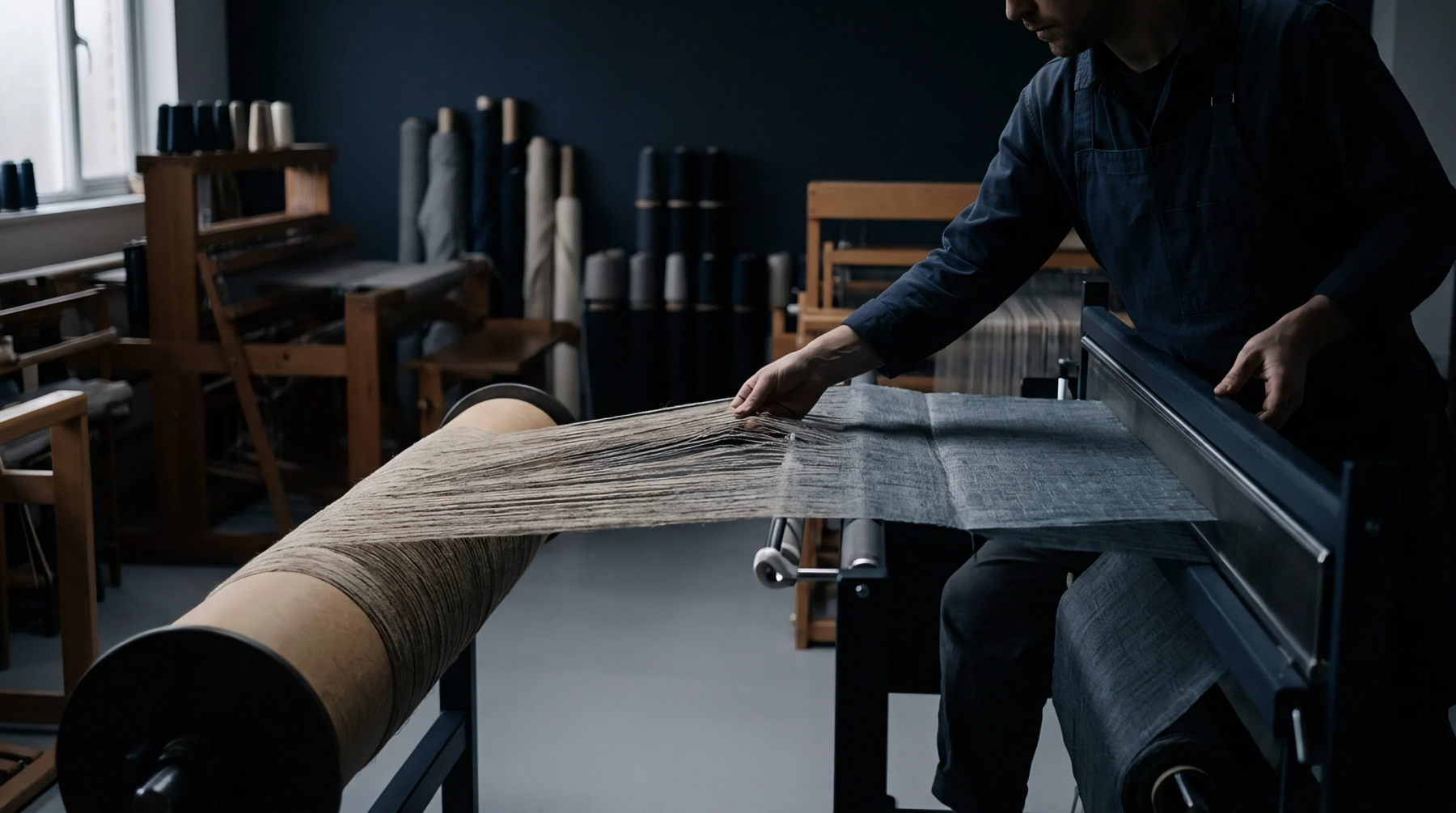
Thermal Regulation
Heat application to the heddle eye modifies the physical state of the metal surface to improve the flow of flax yarns during high speed machine operation. This heddle eye heating process prevents the accumulation of natural resins that otherwise build up at the contact point. Elevated temperatures reduce the friction coefficient between the fibre and the metallic eye, which maintains uniform tension across the width of the loom.
Precise control over these thermal parameters allows for the use of more fragile or irregular flax counts without an increased frequency of breakage.
Energy Transfer
Direct conduction through induction or cartridge elements raises the temperature of the contact surface above the melting point of the wax coatings typically found on linen fibres. Maintaining the eye at a stable target temperature ensures that consistent lubricity remains present throughout the entire length of the production run. Power draw depends upon the number of heddles activated and the ambient temperature of the loom house.
Sensors mounted near the eye monitor thermal output to adjust the voltage input for stable operation.
Production Outcome
The sustained application of warmth at the harness assembly increases the total machine uptime by removing manual cleaning requirements for individual heddle eyes. Consistency in the yarn path leads to a uniform fabric structure that satisfies the technical requirements of high end textile importers. Reduced friction protects the delicate surface of the linen from damage caused by repeated cyclical movement.
This configuration delivers a measurable reduction in warp faults during the production of heavy linen cloth.