Fibrous Separation
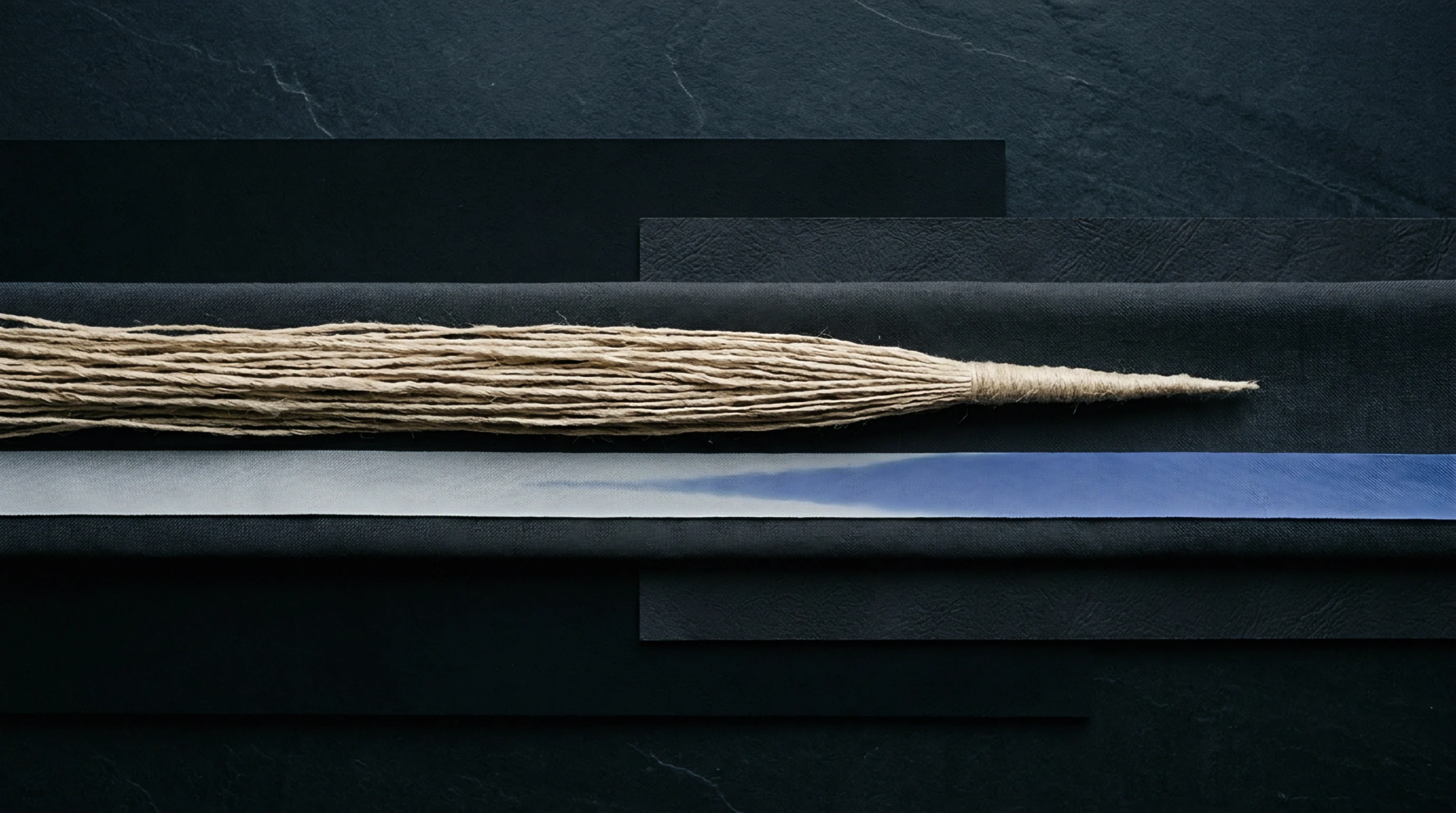
Mechanical combing of scutched flax aligns the long fibers parallel to each other and removes the shorter, tangled portions. During this refining stage, the accumulated short fibres and consolidated knots are collected as hackling combing noils beneath the processing machinery. These extracted fibres are too short for high-grade linen yarn but remain valuable for alternative textile applications.
Industrial Recovery
Coarse combs with steel pins of varying densities separate the tangled masses from the long line flax in a series of progressive passes. The collected short material is continuous but lacks the alignment needed for fine wet spinning. Mills gather this residue using automated under-card vacuums or manual collection bins to prevent the loose fibres from contaminating the long-line slivers.
This recovered material is then baled and sent to specialized dry spinning lines or non-woven manufacturing plants where it is transformed into coarse industrial yarns, heavy canvas, or insulation batts.
Quality Metric
The volume of these short fibers evaluates the efficiency of the raw flax supply and the precision of the scutching process. High proportions of noils indicate weak or poorly retted flax that cannot withstand the mechanical stress of combing. Minimizing this byproduct improves the yield of premium long-line linen.