Production Calibration
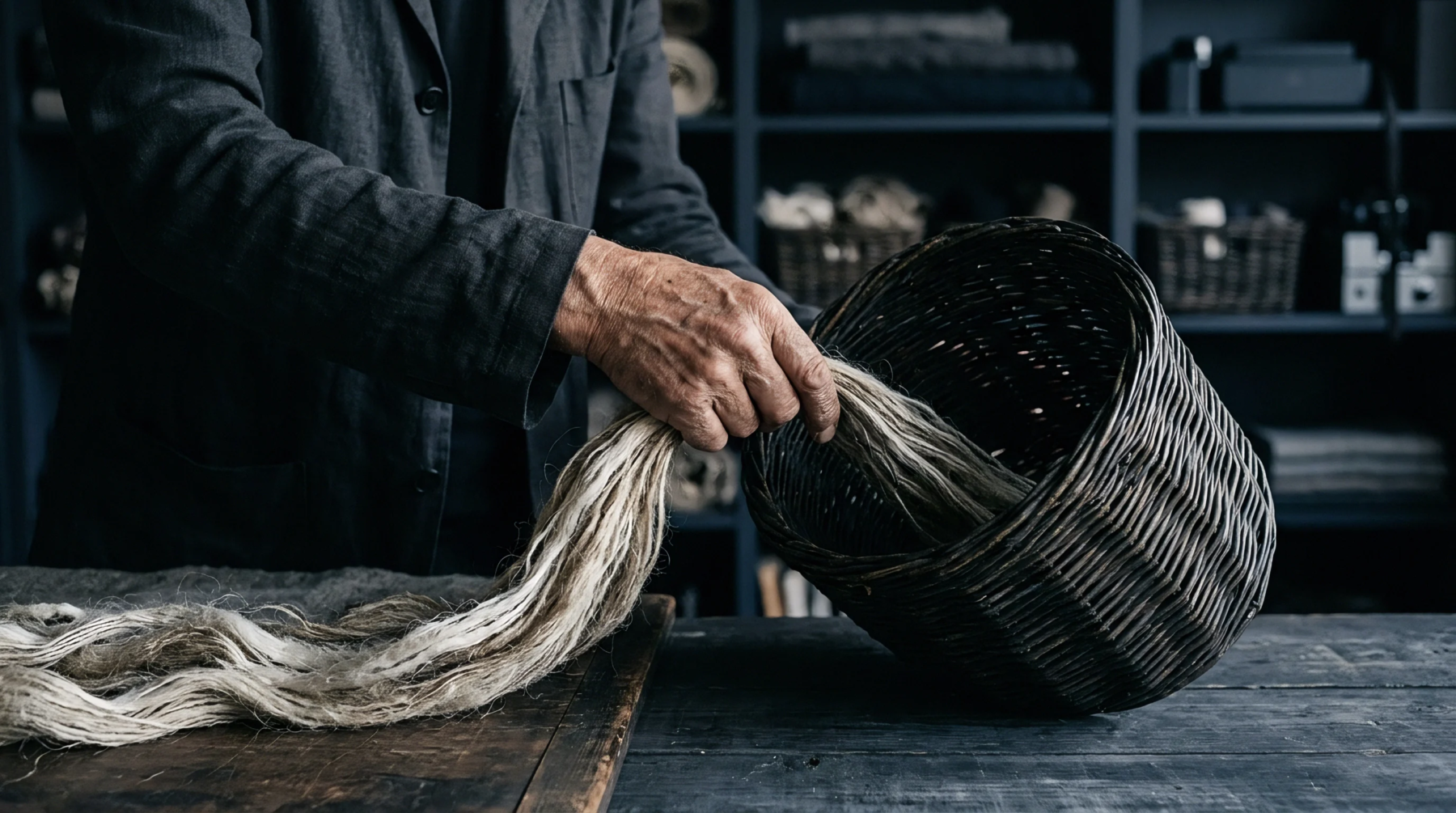
Flax roving processing identifies the conversion stage where drafted line fibres consolidate into a continuous untwisted strand suitable for final spinning. Machines align the individual flax filaments during this phase to remove residual impurities and achieve a uniform weight per unit length. Mill operators monitor the moisture content and fibre density to prevent yarn breakage downstream.
Precise regulation of the roller speed prevents uneven fibre distribution which creates irregularities in the final linen cloth. Consistent output from this machinery determines the structural integrity of the output.
Technical Specification
Fibre grade selection dictates the operational speed and roll pressure settings required for optimal drafting. Buyers evaluate the batch quality against mill performance standards rather than arbitrary aesthetic targets. Quality control teams compare the mass per meter of the roving against predefined density tolerances to detect inconsistencies before the strand enters the spinning frame.
A shift in humidity levels forces adjustments to the draft ratio to maintain the stability of the fibre bundle. High tensile strength in the roving allows for higher draw ratios during the subsequent spinning cycles.
Export Classification
Documentation for global shipment categorizes the semi-finished product by its fibre type and level of primary cleaning. Customs authorities verify the processing degree to distinguish raw tow from processed roving destined for professional garment production. Compliance teams record the batch origin and the mechanical preparation history to satisfy international textile safety regulations.
Proper identification prevents the reclassification of intermediate goods as finished consumer commodities. Reliable technical grading ensures that the product meets the specific requirements of international textile trade agreements.