Moisture Evaluation
The ratio of the weight of water present in a quantity of plant fiber to the total weight of the wet material is a critical metric for both trade and processing. Flax moisture content must be carefully monitored from the moment the raw fiber arrives at the spinning mill. Excess water leads to microbiological rot during storage, while dry fibers become brittle and break easily during the scutching and hackling stages.
This value is recorded in the mill’s receiving logs to determine if the raw material meets the agreed specifications.
Processing Impact
Spinning machinery relies on a consistent level of pliability in the flax fibers to produce yarn of uniform thickness and strength. If the flax moisture content is too high, the fibers cling to the drawing rollers and cause frequent blockages, which stops production and lowers the efficiency of the spinning line. Conversely, dry fibers generate excessive static electricity and dust, which degrades the working environment and increases the risk of fire.
Mills adjust the relative humidity of the spinning sheds based on the incoming moisture levels of the fiber batches. Proper moisture management reduces yarn hairiness and minimizes the variation in yarn linear density. This balancing act is crucial for producing fine yarns that are destined for high-quality apparel markets.
The adjustment of spinning parameters based on these measurements is documented in the daily processing guides used by the machinery operators.
Analytical Measurement
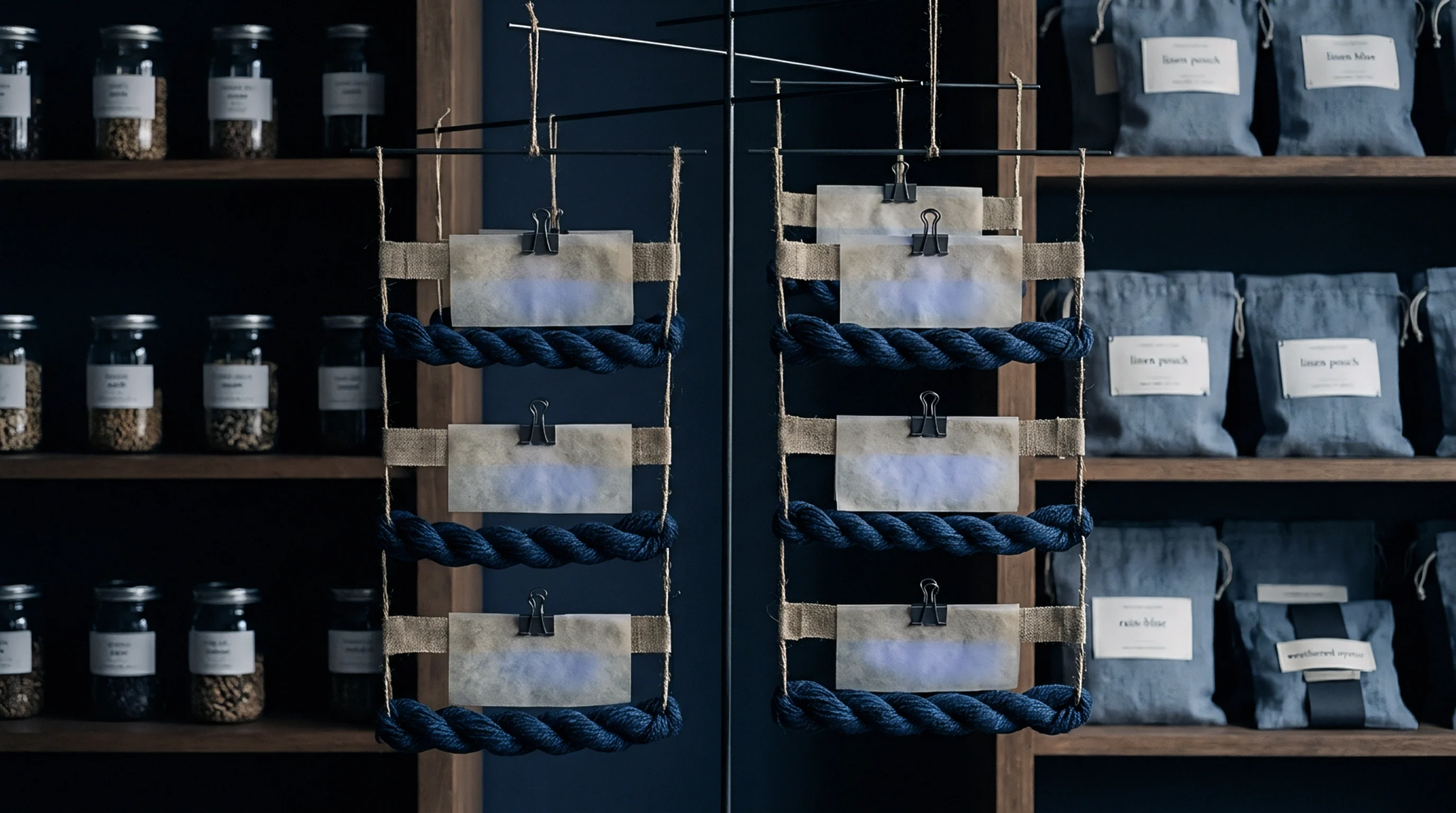
Laboratory technicians determine this property by weighing a sample of flax before and after drying it to a constant mass in a ventilated oven. The difference in weight yields the flax moisture content, which is then recorded on the test certificate that accompanies the batch through the mill. This analysis is repeated at several stages of production, from raw fiber to finished yarn, to ensure that each batch is properly conditioned.
The data is shared with the production manager to adjust the speed of the drying machines after wet spinning. Consistent monitoring ensures that the final exported linen fabric has the correct weight and texture.