Dimensional Alteration
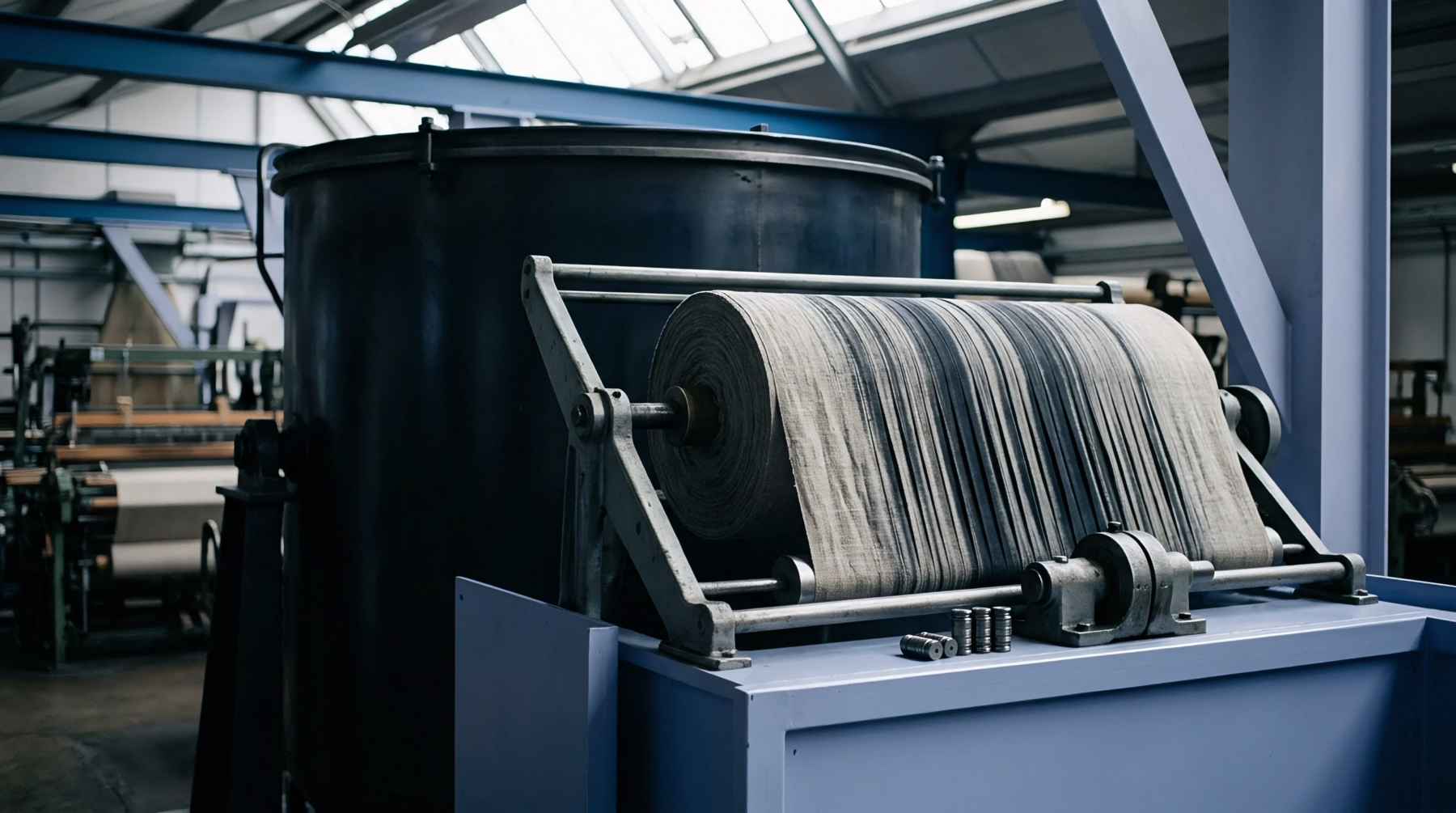
Woven cloth experiences a reduction in its horizontal dimension as it transitions from the under-tension state on the loom to a relaxed state. This fabric width contraction occurs because the interlacing of warp and weft yarns forces the warp threads to crimp, pulling the outer edges closer together. The extent of this narrowing depends on the yarn count, weave structure, and warp tension during weaving.
Weavers must account for this behavior when designing the loom setup to ensure that the finished textile meets the contractually agreed-upon specifications for the buyers. An incorrect calculation results in a product that cannot be used by the garment manufacturer because the pattern pieces will not fit the narrow fabric roll.
Production Influence
Wet finishing processes further modify the width of the linen fabric. When the raw linen fabric is washed, bleached, or dyed, the release of internal stresses causes the yarn to swell and shorten. This shrinkage is measured and recorded in the mill’s finishing specification sheet to ensure the final product meets the buyer’s requested dimensions.
Inadequate planning for fabric width contraction results in a finished fabric that is too narrow for commercial garment cutting, leading to rejected lots.
Mitigation Technique
Loom settings are adjusted to compensate for this natural shrinkage. Technicians utilize a temple, a device mounted on the loom that grips the fabric edges, to hold the cloth at the desired width during the weaving cycle. This mechanical action controls fabric width contraction and ensures uniform density across the fabric.
It maintains the stability of the weave.