Actuation Mechanics
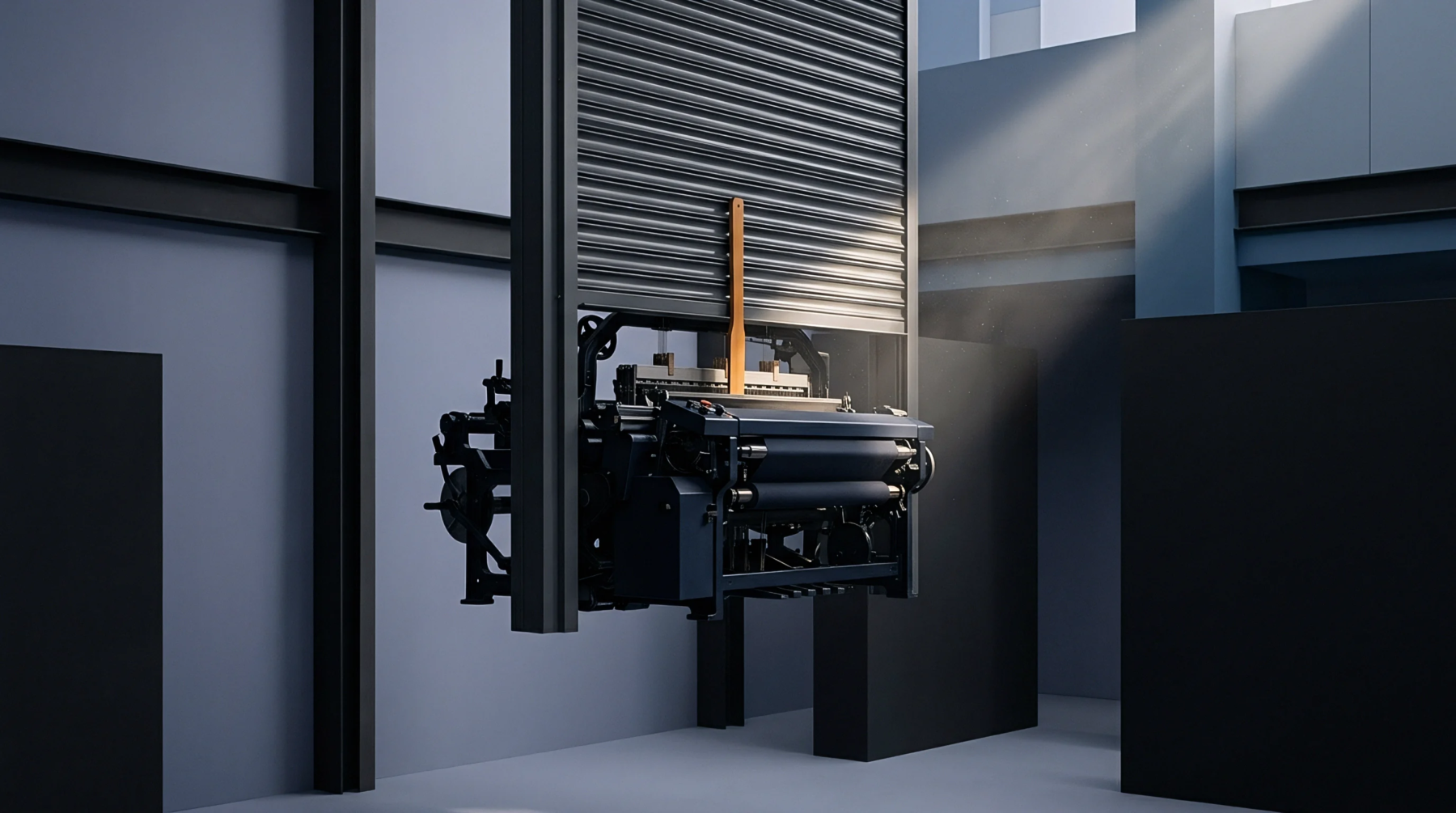
Woven flax production depends upon precise control over individual warp threads during the shed formation phase. An electronic jacquard head executes this directive by translating digital pattern files into physical solenoid movements that lift specific harness cords. Each microvalve directs compressed air against internal piston assemblies to select hook positions according to the design matrix.
High speed actuators demand rapid thermal dissipation because continuous electromagnetic cycling generates substantial heat within the sealed housing. Mill technicians monitor internal operating temperatures constantly to prevent coil degradation during prolonged production runs of heavy damask linen fabrics.
Export Grade
Finished flax cloth undergoes rigorous physical inspection before receiving certification for international shipment. Buyers specify acceptable yarn count tolerances and breaking load minimums within the formal sales contract. Export documentation records these parameters alongside defect density counts gathered during standardized table inspection procedures.
A fabric grade reflects warp and weft alignment accuracy together with surface hairiness measurements established by international textile standards. Mill quality supervisors separate internal production benchmarks from these external buyer acceptance criteria to maintain commercial compliance without compromising factory efficiency.
Production Matrix
Modern spinning and weaving facilities track loom efficiency through centralized control networks linked directly to every operational module. Modern looms require precise synchronization between the main drive shaft and the digital selection mechanism to prevent warp breakage during high velocity pick insertion. Flax fibers possess lower elasticity compared to synthetic alternatives, which increases tension sensitivity across the entire harness arrangement.
Production managers adjust shed timing parameters to accommodate varying moisture content levels present in raw flax yarns during seasonal humidity shifts. Final export readiness relies upon the verified calibration of this actuation hardware before grey cloth enters the wet finishing department.