Mass Allowance
Proportion limits govern yarn processing tolerances inside Chinese flax spinning mills during mechanical drafting operations. The de minimis substitution threshold establishes the exact boundary where raw flax material proportions may deviate from certified specifications without triggering a formal contract dispute under standard export documentation. Technical auditors measure this boundary against conditioned mass percentages recorded in the mill production register before yarn batches move toward commercial weaving lines.
Raw material variations below this specific numerical limit remain fully permissible within standard commercial tolerances because ordinary spinning machinery exhibits inherent biological variance. Exceeding the permitted percentage immediately invalidates the certified fibre composition declared on the commercial invoice.
Tolerance Boundary
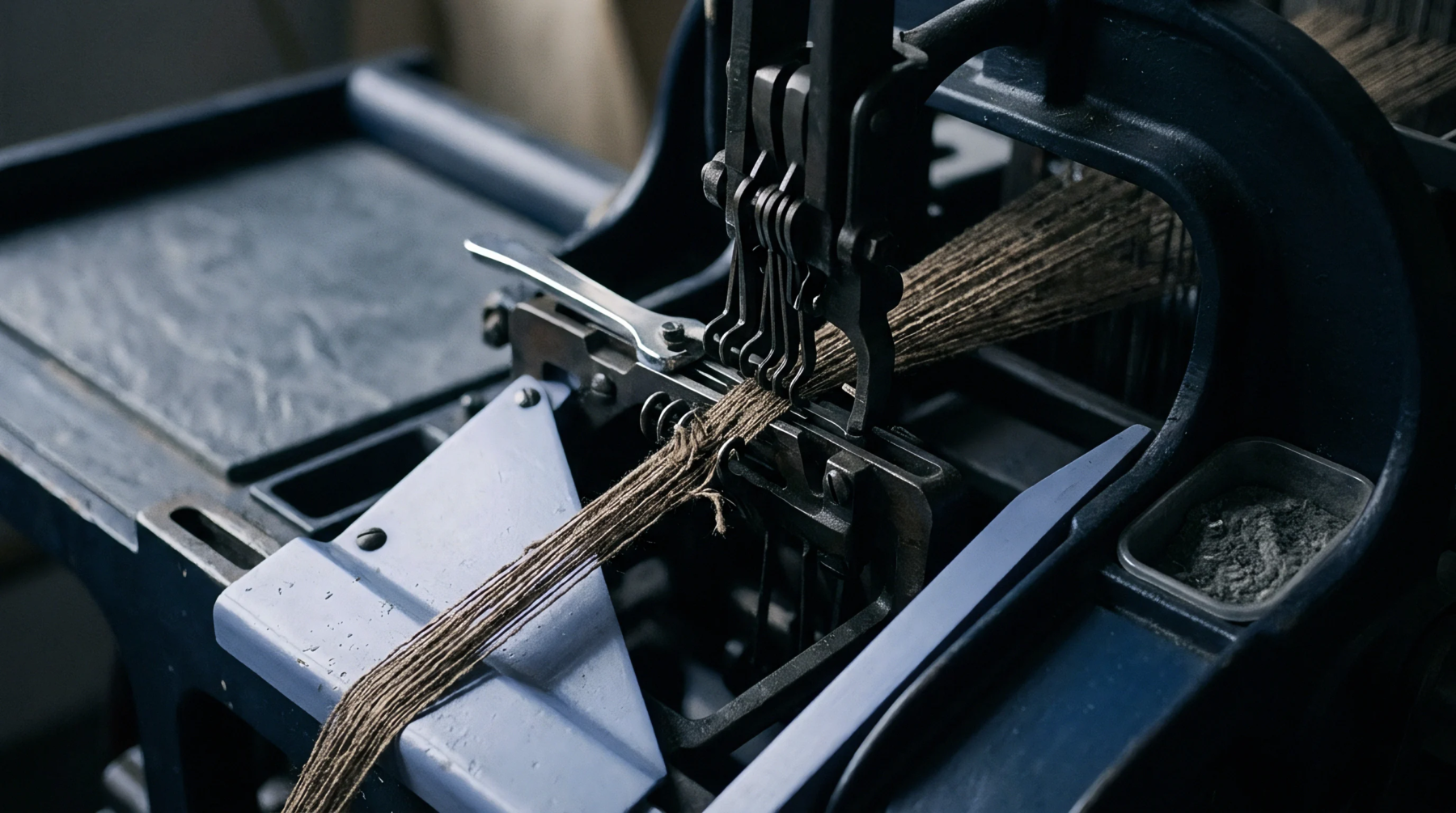
Mechanical drafting machines process natural bast fibres through successive drawing frames where minor shifts occur naturally. Quality inspectors verify whether constituent variations remain inside acceptable limits by weighing conditioned samples drawn directly from intermediate roving bobbins. Mill operators adjust drawing frame settings whenever analytical balances detect weight deviations approaching the established ceiling.
Production managers document these adjustments inside daily technical logs maintained for external buyer inspection.
Contractual Compliance
Finished linen fabric grades depend entirely on the consistent supply of uniform precursor yarn. Commercial buyers reject entire textile shipments whenever laboratory testing reveals material substitution rates exceeding the agreed tolerance ceiling. Export documentation requires absolute agreement between physical stock audits and the technical specifications stamped on the accompanying mill certificate.
Discrepancies identified during final port inspection determine whether financial penalties apply to the producing mill.