Calibration Modifier
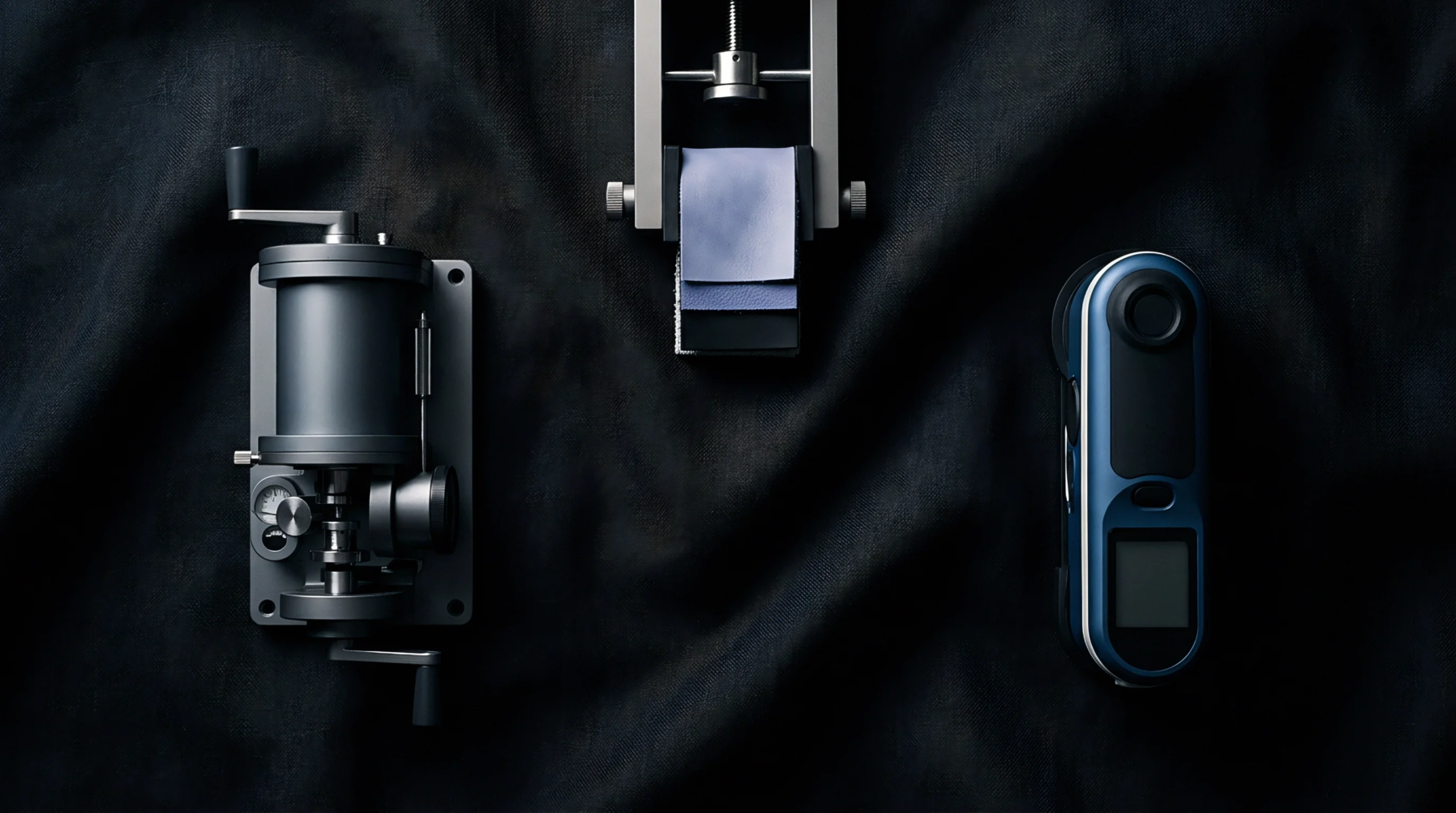
Metrological correction factors adjust raw fiber diameter measurements obtained from automated optical instruments to match standard projection microscope readings. Laboratory technicians utilize d-factor correction value during automated image analysis of flax fiber fineness. The metric governs instrument calibration and standardization across comparative testing devices.
Application ceases when analyzing non-vegetable continuous synthetic filaments.
Mathematical Application
Optical measurement devices record thousands of individual fiber diameters, applying mathematical adjustments to eliminate diffraction errors caused by non-circular fiber cross-sections. In quality control testing of Chinese scutched line flax, d-factor correction value aligns high-speed optical test outputs with manual microscopic measurements. Technicians calibrate image analysis software using reference flax fibers of known mean diameter, deriving a numerical multiplier that compensates for lumen shape irregularities.
Multiplying raw diameter readings by this factor yields an adjusted mean fiber fineness expressed in micrometers. Spinning mills rely on these corrected values to select fiber lots capable of producing fine wet-spun linen yarns without excessive end breaks during spinning operations.
Operational Boundary
Numerical correction values cannot repair data corrupted by dirty optical lenses or poorly prepared fiber slides. Incorporating d-factor correction value ensures consistent quality grading across different testing laboratories in the supply chain. Raw unhackled flax tow requires separate calibration parameters.