Mechanical Resistance
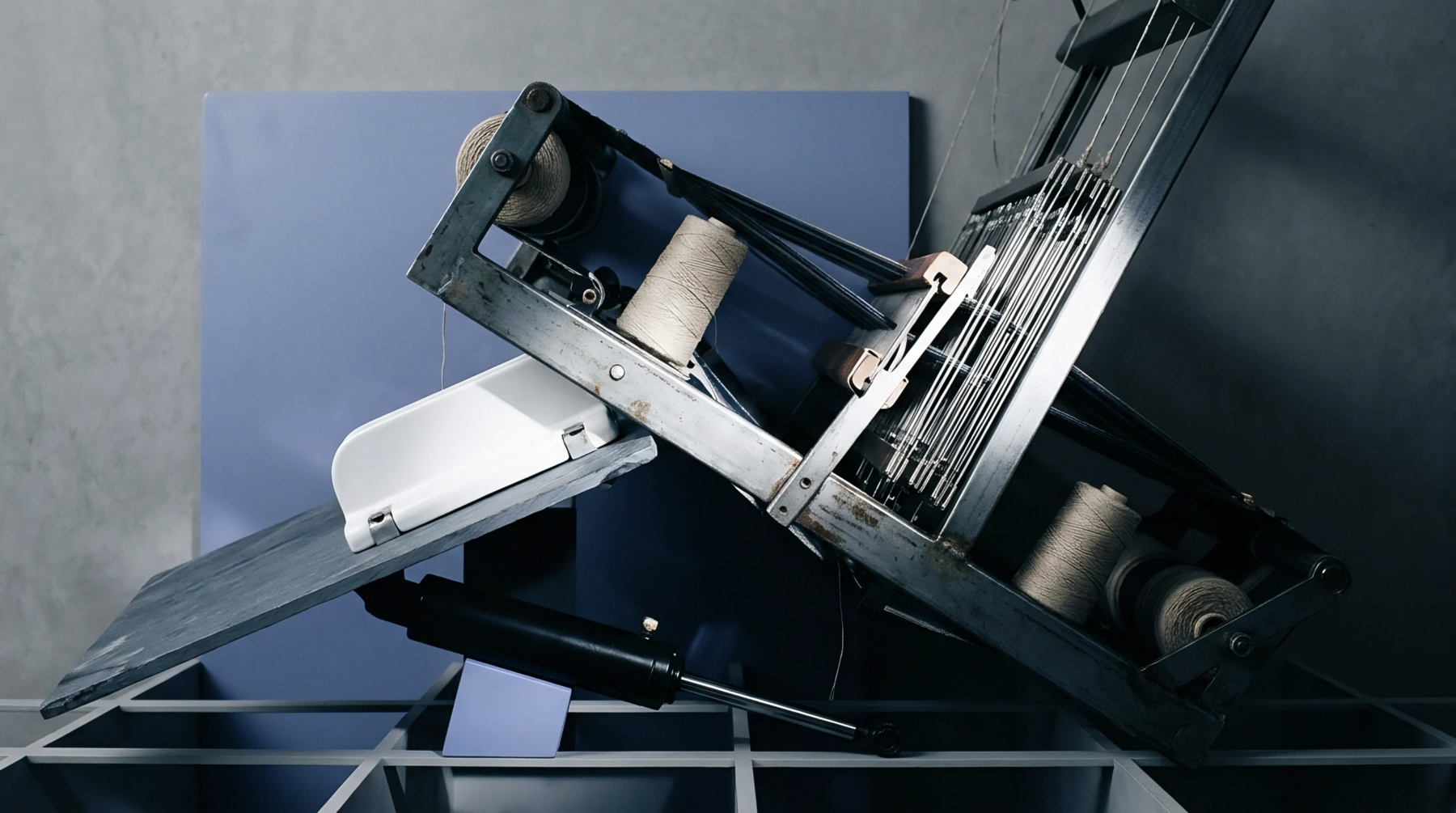
Mechanical drag generated during the high-speed withdrawal of flax yarn from supply packages defines the primary physical load on warping creel assemblies. Creel unwinding force dictates the kinetic tension experienced by individual linen ends before they enter the size box or beam winding system. In wet-spun flax processing, low yarn elongation increases susceptibility to peak tension variations during package rotation.
Mill quality control logs record this parameter in centinewtons per tex across full cone exhaustion cycles.
Tension Uniformity
Rotating package supports must maintain uniform resistance across thousands of active spools to prevent localized slack. When creel unwinding force drifts beyond specified limits, individual warp ends stretch unevenly across the warping sheet. This differential elongation produces tight ends and slack ends during subsequent sizing.
Unchecked tension variances cause end breaks in high-speed weaving sheds.
Yarn Degradation
Excessive mechanical resistance at the package spindle strips surface fibres from bast yarns, creating lint deposits along porcelain eyelets and tension discs. Measuring creel unwinding force during high-speed warping prevents mechanical abrasion from degrading yarn tenacity. Calibration requires static pull tests and dynamic sensor readings at full beam velocity.
When unwinding speeds exceed six hundred metres per minute, ballooning tension replaces spindle friction as the primary contributor to total resistance. Controlling this dynamic load preserves the natural bundle integrity of long-staple flax threads.