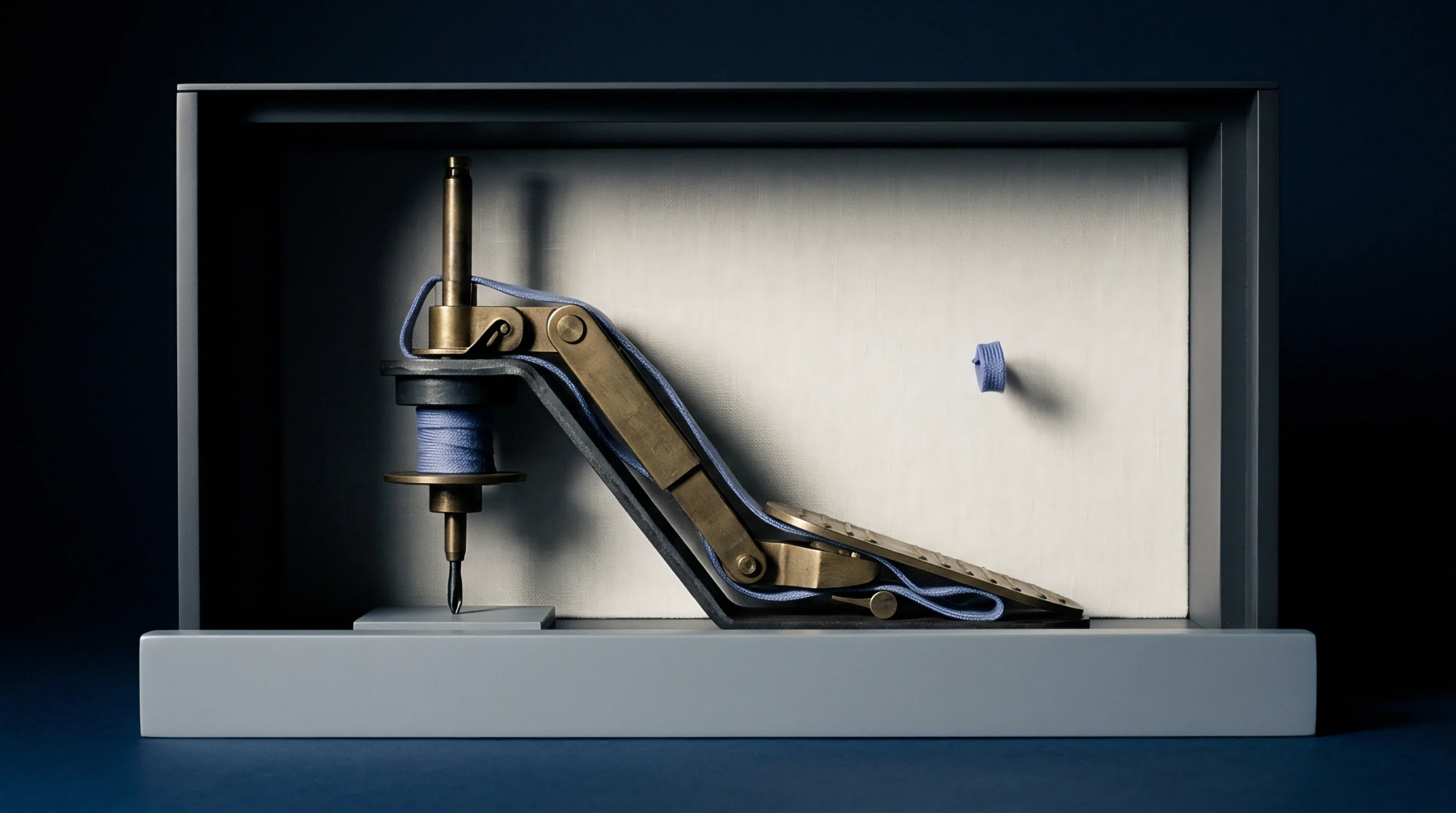
Friction Degradation
Frictional wear testing evaluates the surface deterioration of synthetic harness cords under cyclic tension in Jacquard linen looms. Continuous contact during high-speed shedding generates cord abrasion as outer protective jackets rub against glass-filled nylon comber boards. Laboratory evaluation measures mass loss and tensile strength reduction after specified double-stroke cycles.
Standard mill acceptance criteria set maximum permitted fraying thresholds before cord replacement becomes mandatory.
Sheath Endurance
Multifilament cores encased in braided jackets resist shear forces during shed change cycles. Microscopic heat from contact friction softens thermoplastic coatings, accelerating jacket thinning until core filaments become exposed to direct mechanical impact. Chinese weaving mills monitor cord surface integrity using continuous optical inspection during warp beam changes.
Braided outer structures dissipate heat differently than extruded coatings under sustained high-speed operation. When local temperatures exceed polymer thermal transitions, internal friction accelerates strand rupture. Preventive maintenance schedules replace complete harness sections before localized breakage disrupts linen warp thread alignment.
Board Friction
Perforation geometry and board alignment dictate the rate of lateral scraping experienced by loom harnesses. Angular deviation between harness cords and comber holes increases localized contact pressure, causing asymmetrical wear patterns across the loom width. Standard operating procedures limit cord deflection angles to under five degrees from vertical alignment.
Exceeding specified angle limits reduces operational lifespan regardless of yarn lubrication.