Wet Processing
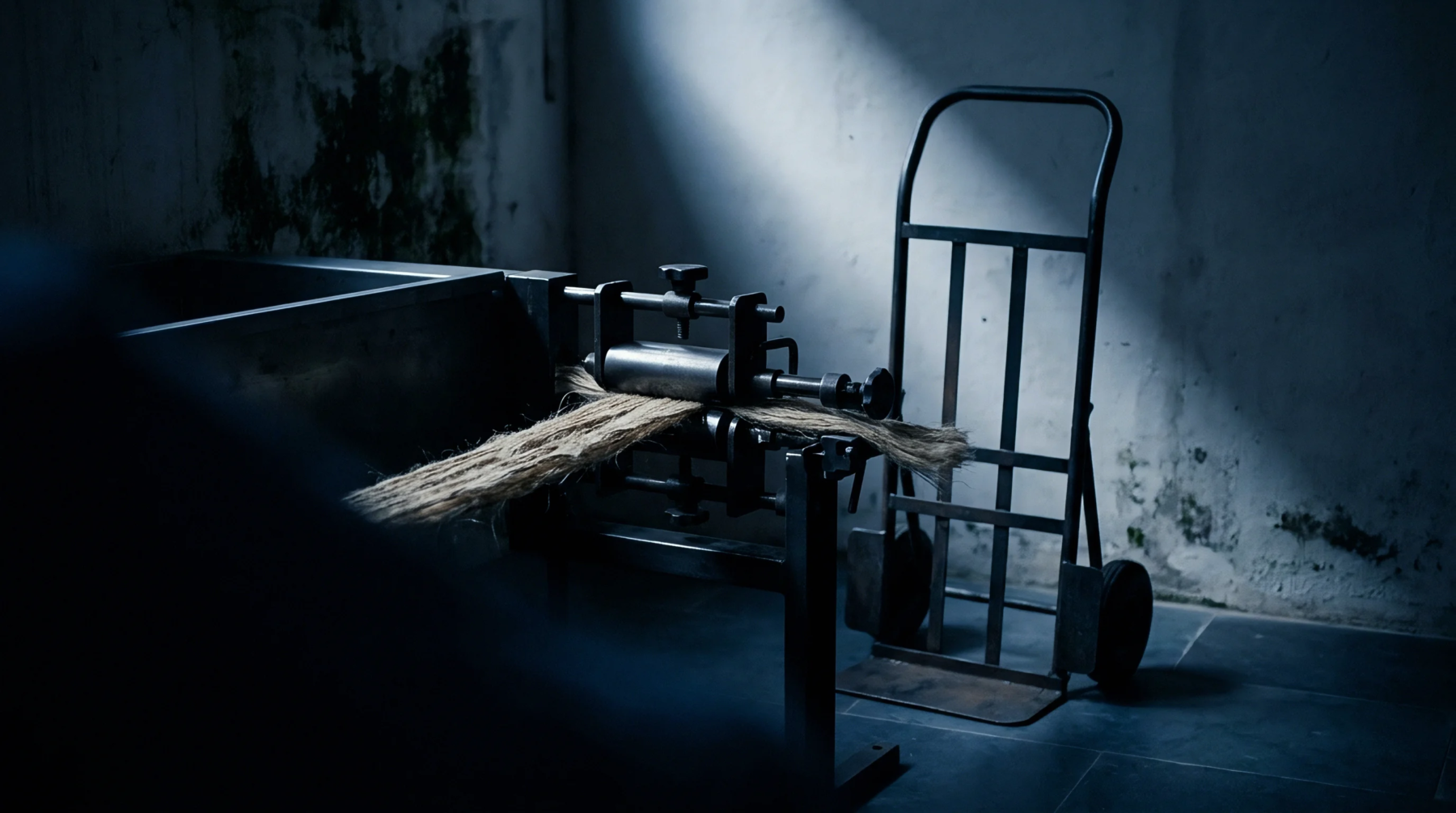
Chemical preparation systems in high-capacity finishing plants process woven linen textiles in gathered rope form through consecutive liquid bath stages. Continuous rope bleaching removes natural pectin and residual wax from woven flax fabric using hydrogen peroxide solutions in steamers. Process control relies on maintaining precise alkali concentrations, liquid temperature, and dwell times across continuous production runs.
Output quality records document residual brightness and absorbency levels to verify fabric readiness for dyeing.
Reaction Sequence
Fabric enters the range through scutchers that collapse flat cloth into a loose tubular rope before entering caustic saturators. Continuous rope bleaching subjects the rope to alkaline scouring at elevated temperatures, loosening non-cellulosic impurities prior to oxidative bleaching. Alkaline peroxide liquor saturates the rope before it passes into J-shaped dwell chambers where steam heat drives chemical reactions over forty to sixty minutes.
Continuous washing units remove degraded impurities through counter-current liquid flows, reducing water consumption while maintaining purity. The plant logs chemical liquor concentration and fabric speed on central processing logs to ensure uniform treatment across whole production runs.
Quality Limit
Process applicability ends on heavy linen fabrics susceptible to permanent rope marks or crease lines during high-tension rope handling. Continuous rope bleaching applies to lightweight and medium-weight fabric qualities intended for uniform white or solid shade dyeing.