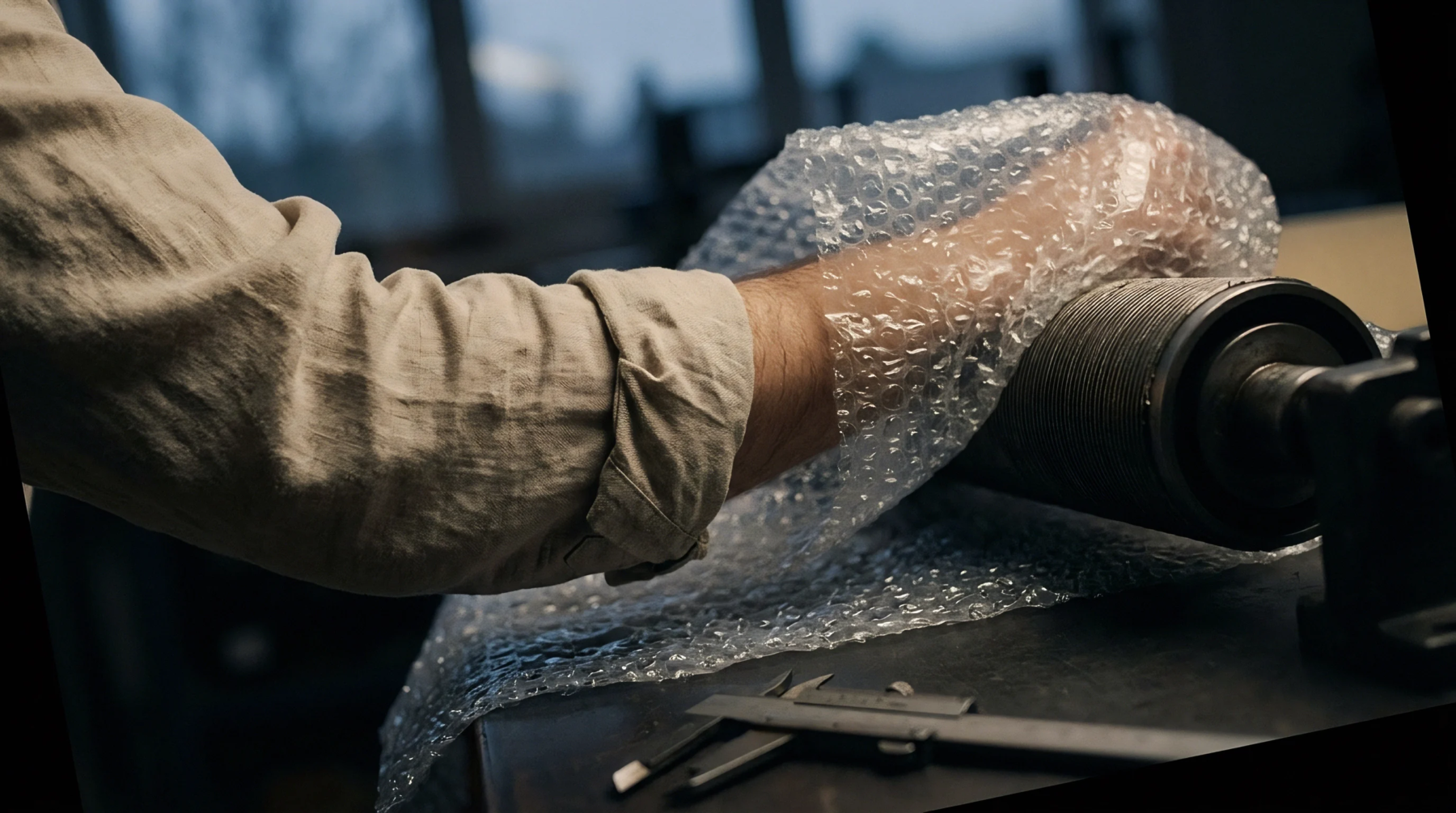
Contact Measurement
Electrical connectivity testing during the finishing stage of linen production employs a contact resistance probe to quantify the integrity of metallic coatings applied to conductive fabrics. This contact resistance probe operates by applying a known current through two points on a textile surface while measuring the resulting voltage drop to determine surface impedance. Laboratory technicians utilize the device to detect oxidation or structural degradation in silver or copper infused yarns intended for electromagnetic shielding applications.
The instrument provides a quantitative assessment of whether the treated material maintains its conductivity specifications after heat setting or mechanical stretching in the factory.
Operational Calibration
Regular validation of these measurement tools prevents discrepancies between mill quality reports and final customer acceptance criteria. Precise calibration protocols require the use of reference shunts that represent the baseline resistance values of standardized conductive linen weaves. Differences arise when the probe tip experiences wear or when surface contaminants create inconsistent pressure at the contact point.
Technicians replace or clean the tips to ensure the hardware maintains high repeatability across long production runs.
Measurement Variance
Deviations between fibre grade testing and final fabric analysis occur because the structural geometry of the weave alters the current path compared to raw yarn samples. Fiber batches tested in the spinning mill yield lower resistivity values because the short, parallel alignment of conductive filaments provides a direct path for electron flow. Fabric testing accounts for the contact point spacing dictated by the interlacing pattern of the warp and weft, which introduces series resistance through yarn junctions.
Standardized protocols specify that the contact resistance probe records values only after the pressure sensitive mechanism stabilizes against the textile surface.