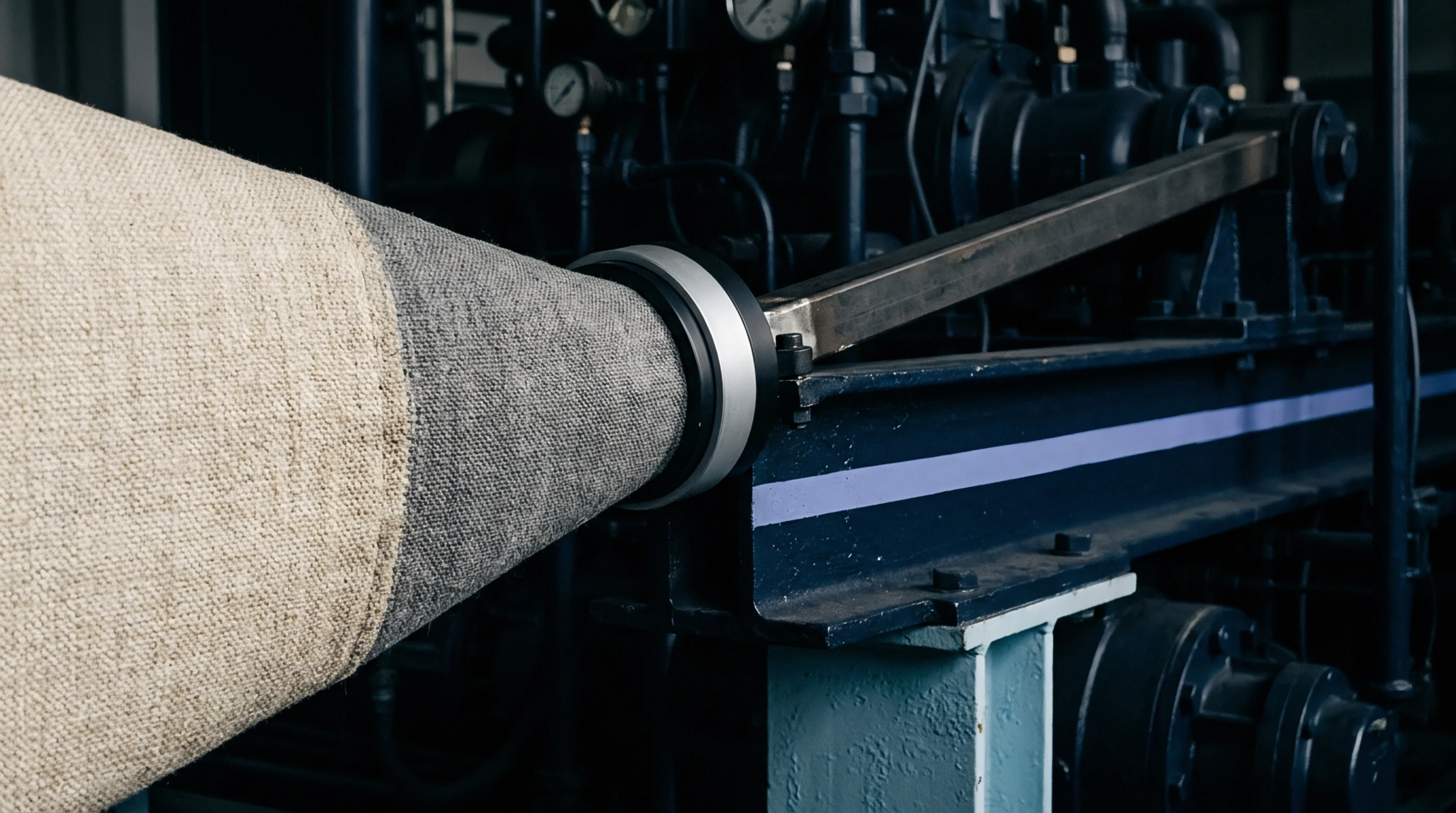
Fabric Treatment
Liquid chemical baths modify the surface properties of woven flax fabric to reduce the natural stiffness of the cellulose structure. Applying chemical finishing after bleaching improves both the hand feel and the crease recovery of the finished linen cloth. This stage alters the polymer networks within the fibers to make them more receptive to subsequent sewing processes.
Process Mechanics
Continuous padding machines apply the liquid solution containing softeners or resin crosslinking agents directly to the open-width fabric. During chemical finishing, the web of cloth passes through a series of squeeze rollers to distribute the active molecules evenly into the core of the yarn. Heated drying ovens then cure the applied agents to fix them permanently within the cellulose chains.
Modern finishing lines adjust the temperature and speed to prevent yellowing of the bleached flax fibers. Proper concentration monitoring avoids chemical waste and ensures uniform treatment across the entire batch.
Performance Outcome
Treated fabrics demonstrate superior resistance to wrinkles while maintaining the natural breathability of the bast fibers. The chemical finishing process determines whether the output meets the soft drape requirements of international apparel brands. Mill quality controllers test sample swatches for tensile loss before releasing the batch for export.