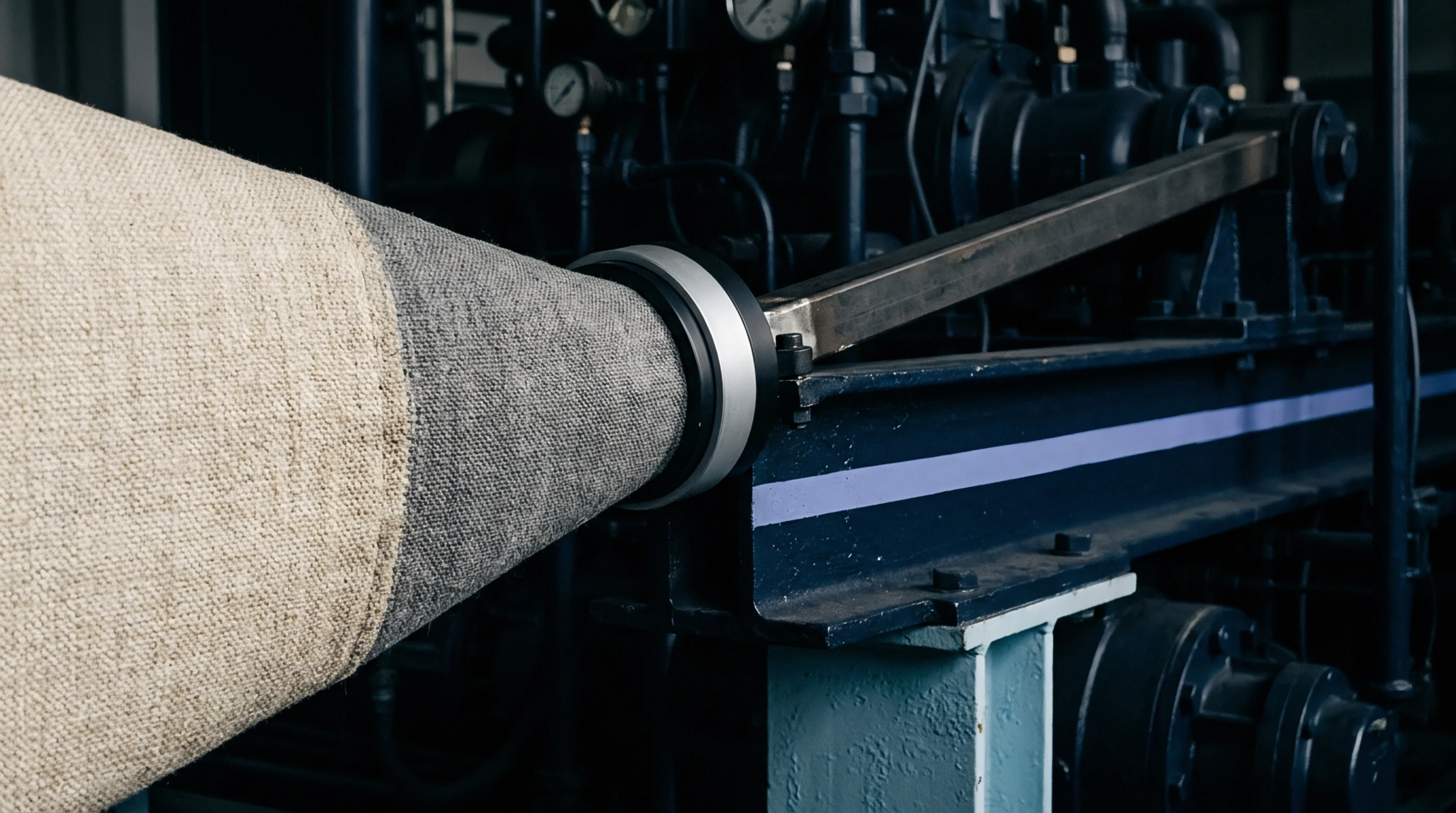
Advanced Fiber
Bicomponent spinning technology generates extremely fine synthetic filaments by distributing a secondary polymer within a soluble matrix during extrusion. This manufactured filament, known as sea-island microfibre, produces fabrics with exceptional softness and dense weave structures when blended with linen yarns. Developers utilize this material to combine the strength of natural flax with the drape of fine microfibres.
Coextrusion Process
Extrusion heads press two incompatible polymers through a spinneret to create a cross section resembling islands of fine fibers surrounded by a sea of dissolvable polymer. After spinning, the composite yarns are woven or blended, and then treated with a chemical solvent that dissolves the sea component. This treatment leaves the sea-island microfibre as an ultra-fine bundle of filaments that increases the density of the linen fabric.
Process technicians must monitor the dissolution bath carefully to ensure complete removal of the matrix polymer without damaging the flax fibers. Unwashed residues would make the finished fabric stiff and brittle.
Blend Properties
Blending these synthetic filaments with natural linen improves the wrinkle resistance of the final cloth. The sea-island microfibre fills the spaces between the thick linen yarns to make the fabric more wind-resistant and soft to the touch. Fashion brands select this blend for lightweight travel garments that require minimal ironing.