Fibre Specification
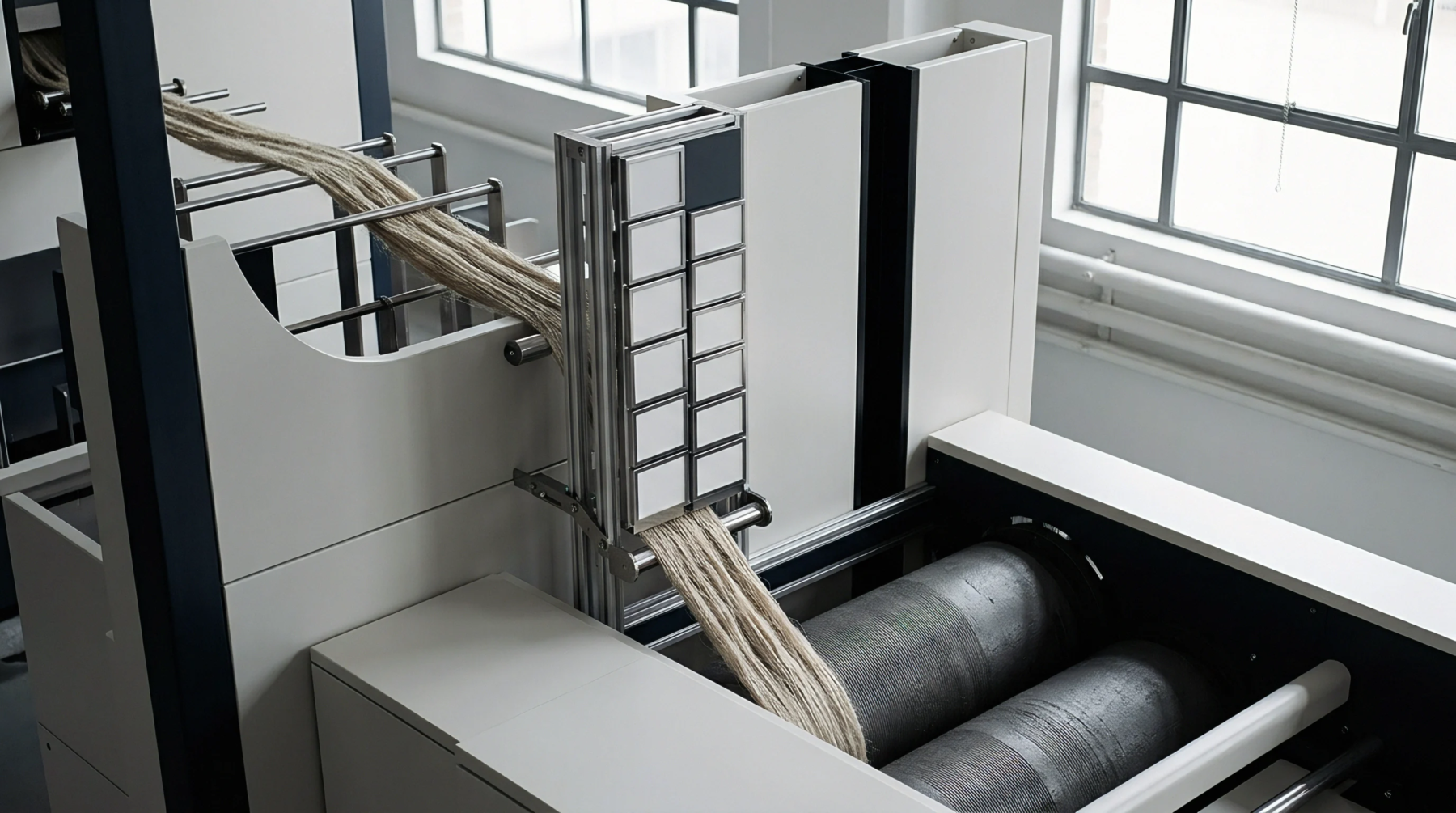
Raw bast fibre grade assessment occurs upon intake at the spinning mill to establish the mechanical properties of a batch. Bast fiber quality control functions as the technical protocol for testing moisture content, tensile strength, and fineness before the raw material enters the primary processing line. These measurements determine the suitability of the flax or hemp for specific yarn counts and prevent structural failure during high speed mechanical drawing.
Each laboratory report generated at this stage acts as a formal record for both the warehouse manager and the production lead to confirm the grade aligns with the procurement contract.
Acceptance Parameter
Performance standards govern the threshold for mill rejection when the physical properties of the fibre deviate from defined processing requirements. Bast fiber quality control relies on the comparison between incoming batches and established control samples to identify variations in lignin content or cellulose maturity. Technicians extract multiple random samples across a delivery to verify consistency, as uneven fibre bundles lead to frequent breakage on spinning frames.
Statistical analysis of these samples informs whether a shipment meets the necessary criteria for high quality linen production or requires blending with different stocks to compensate for physical deficiencies.
Production Verification
Finished fabric inspection happens after the weaving and finishing stages to ensure the final product maintains the integrity expected by export buyers. Bast fiber quality control applies specific testing methods here to detect weaving defects, residual impurity, or chemical instability that might compromise the durability of the cloth. Documented results in the final production log establish the compliance of the finished roll with international textile regulations and buyer agreements.
Uniform application of these metrics guarantees that every meter of linen meets the expected standard of excellence.