Surface Characteristic
Surface geometry provides the baseline for assessing yarn quality. Bast fiber hairiness quantifies the frequency and length of protruding fibrils that extend from the central core of a linen thread. This measurement identifies the structural integrity of the spinning process where individual flax bundles are drafted and twisted into a continuous strand.
Spinning Impact
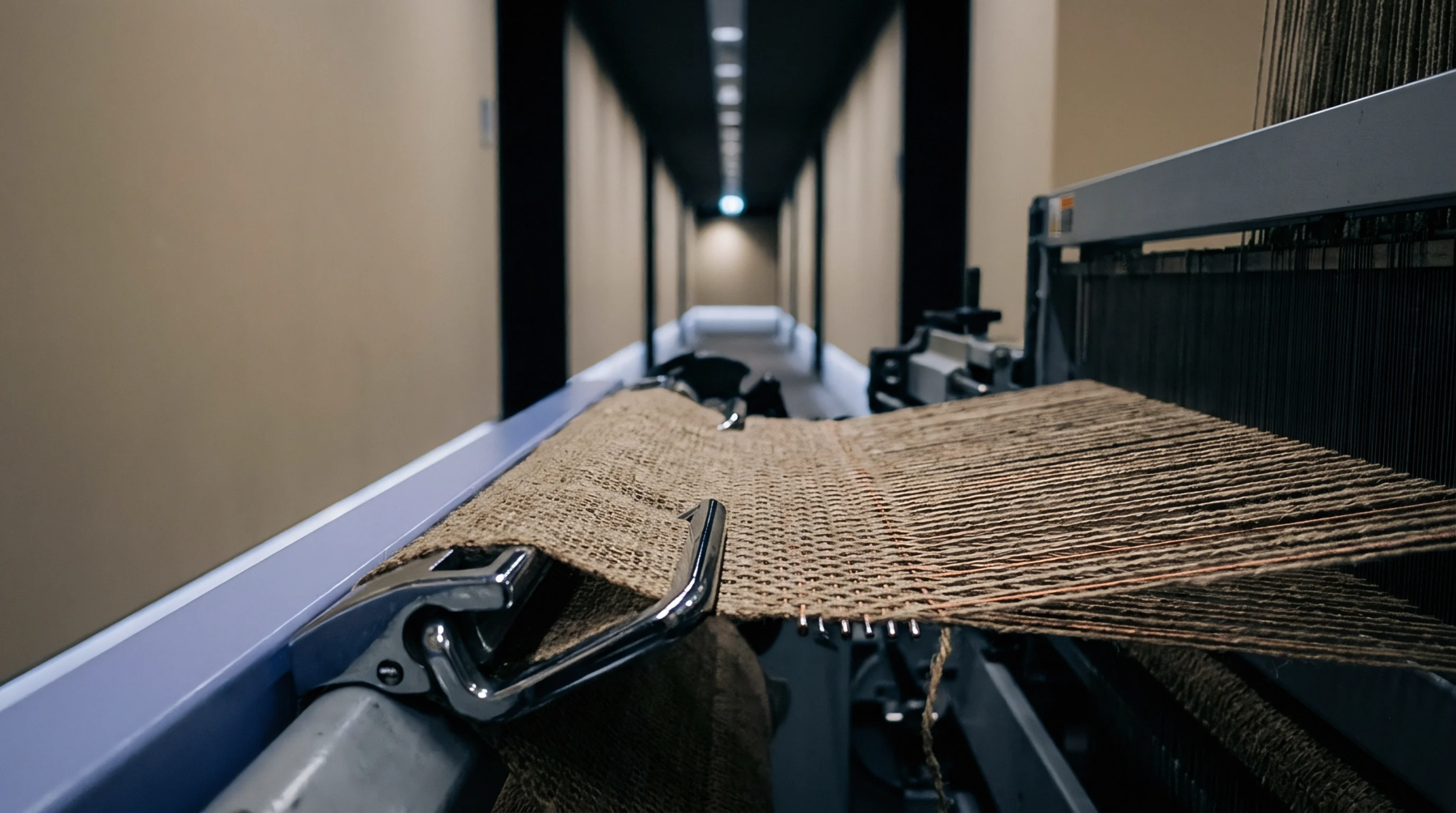
High levels of bast fiber hairiness increase the friction encountered during high speed weaving operations. Fibrils catch on adjacent warp yarns or loom components, causing micro breaks and surface defects in the finished linen fabric. Reducing these protrusions requires precise control over the moisture content during wet spinning and the tension applied at the ring frame.
Low hairiness levels are essential for producing smooth, high-density fabrics that resist surface abrasion.
Testing Protocol
Standardized optical sensors detect the shadow of every hair that passes through the measurement field. These systems record bast fiber hairiness across different length categories to differentiate between short fuzzy ends and long damaging fibers. Laboratory reports provide the statistical mean and distribution necessary for a mill to approve a batch for export.
This data confirms the suitability of the yarn for fine apparel applications where pilling would be a major defect.