Processing Byproduct
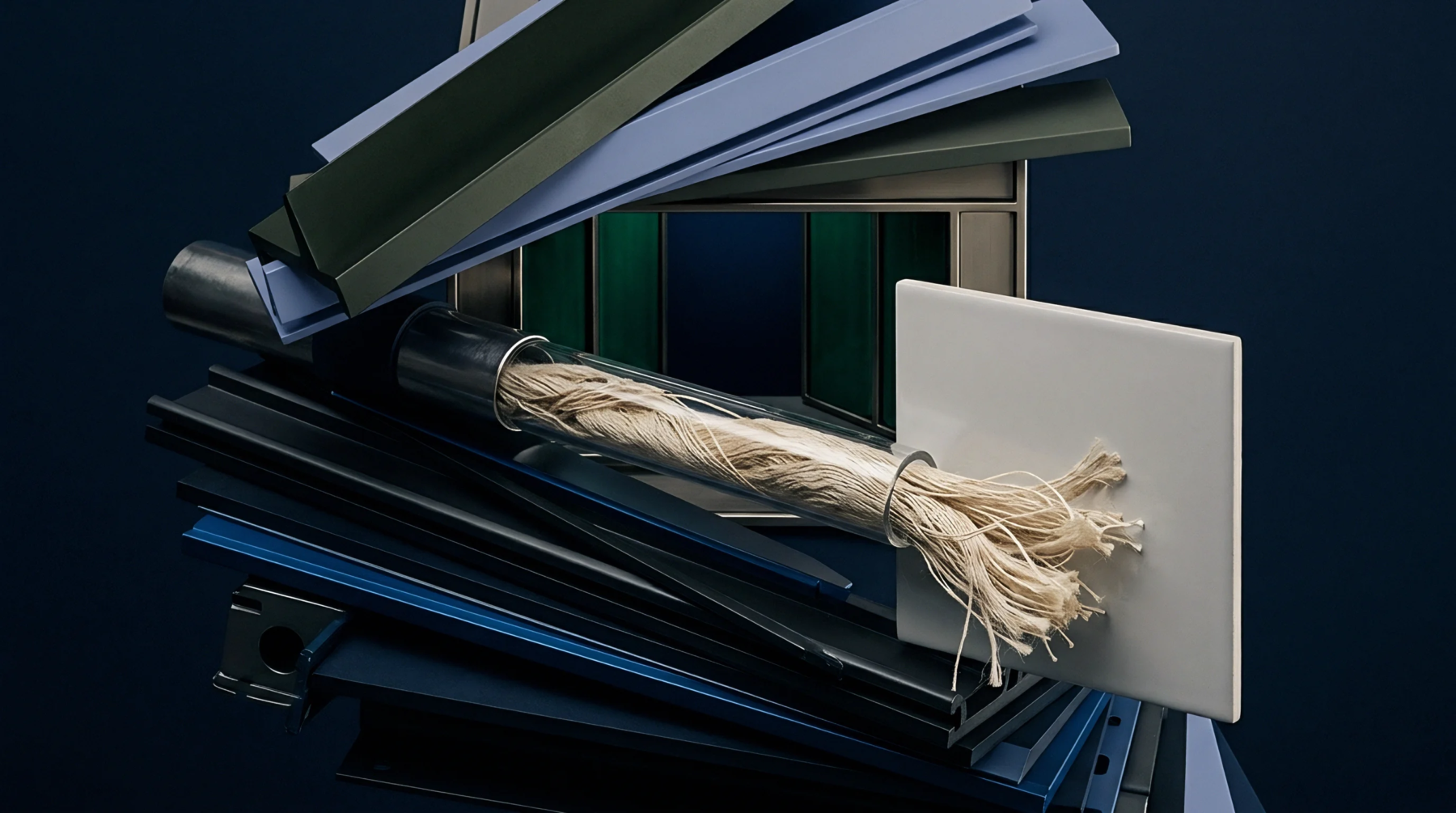
Yarn residue of variable length represents the material cleared by automatic winding machinery to eliminate yarn defects from the wound package. This secondary material, known widely as auto-coner waste, accumulates during the high-speed transfer of linen yarn from spinning bobbins to commercial cones. Modern winding units utilize optical clearers to detect diameter variations, cutting the yarn and piecing it together with pneumatic splicing.
Every cut creates short yarn lengths that are drawn away by vacuum systems into central collection chambers.
Yield Impact
Spinning efficiency decreases when yarn defects trigger excessive knotting or splicing events. High frequencies of clearing cuts generate elevated levels of auto-coner waste, reducing the total saleable yarn package weight. Mill managers monitor this material as a proportion of total input weight to evaluate both spinning quality and the performance of winding operators.
Excessive clearing actions also raise the consumption of compressed air and increase machine downtime.
Reclamation Method
Splicing residues undergo mechanical processing to extract reusable linen fibres for secondary spinning operations. Clean fibers are recovered by passing the waste through opening machines that pull the yarn fragments back into a loose, fibrous state. These reclaimed fibres have a shorter length than the parent line flax, making them suitable only for coarse rotor-spun yarns or non-woven industrial fabrics.
Spinning mills blend these fibers with virgin tow to balance production costs, while the very short dust fractions find applications in paper manufacture or agricultural mulches.