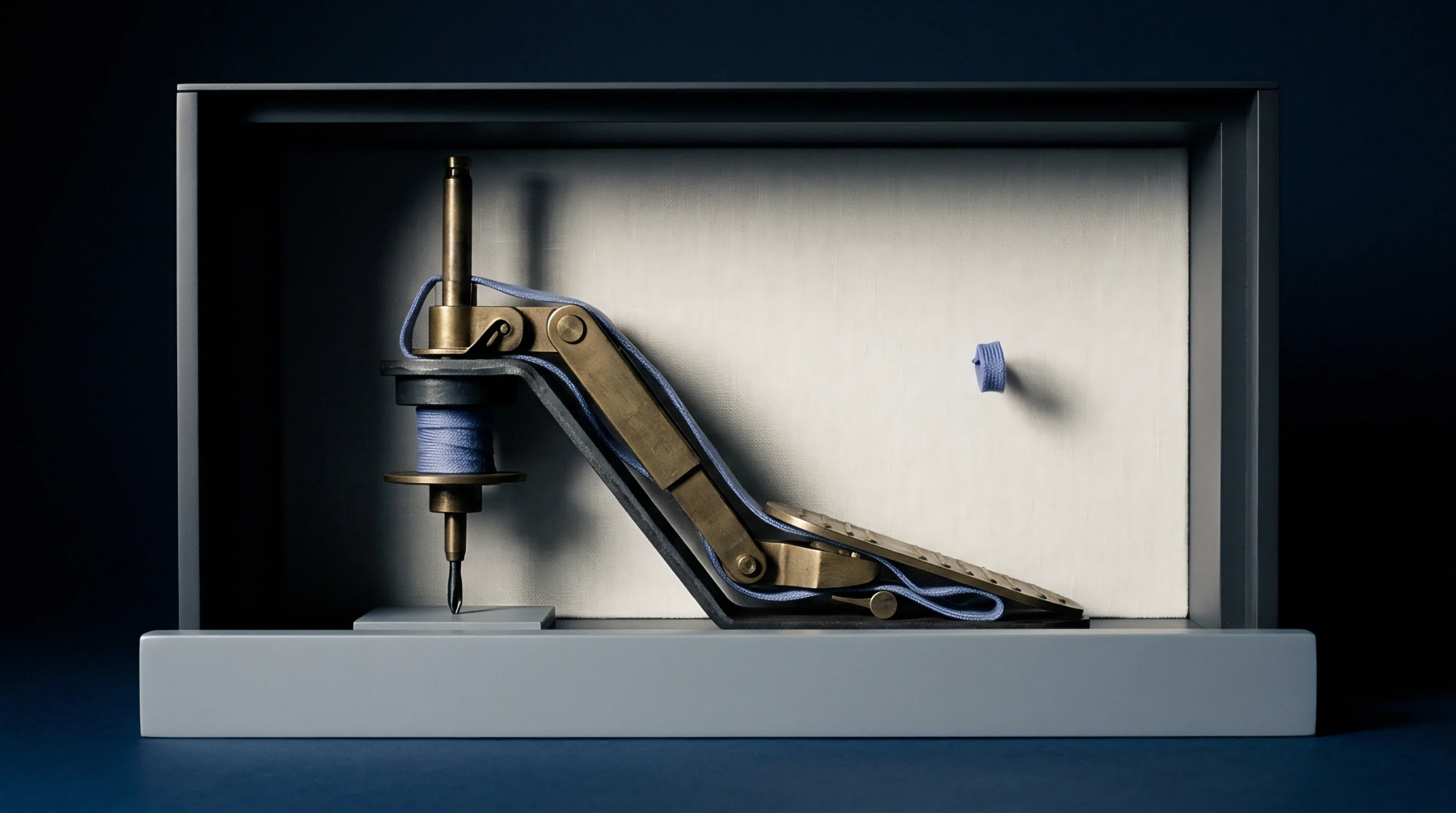
Ceramic Wear Surface
Hardened oxide components reduce friction within yarn tensioning assemblies during the spinning of flax fibres. These alumina eyelets maintain structural integrity under the high abrasive loads created by natural bast fibres moving at velocity. The polycrystalline structure resists deep groove formation that otherwise cuts into metal or polymer parts.
Constant contact with raw linen material requires materials that withstand long-term thermal expansion and physical impact.
Material Performance
Industrial processors select these ceramic rings specifically for their hardness rating on the Mohs scale. A smooth polished orifice ensures the constant tension needed for uniform twist consistency in high speed spinning frames. Rough spots in a guide cause fibre breakage or fraying which ruins the uniformity of the yarn package.
High grade oxide parts prevent the build up of static electricity which repels fine loose hairs during the drawing process.
Acceptance Criteria
Quality control protocols within a spinning mill mandate regular visual inspections to identify chips or cracks on the inner ring surface. Any hairline fracture creates a snagging point that catches individual flax fibres and forces a machine stoppage for component replacement. Inspectors verify the smoothness of the orifice using standardized gauge needles that detect surface irregularities invisible to the eye.
Documentation of wear rates informs the maintenance schedule and prevents batch contamination from damaged hardware. Precision in the spinning guide surface governs the final tensile strength of the linen yarn.