Structural Rupture
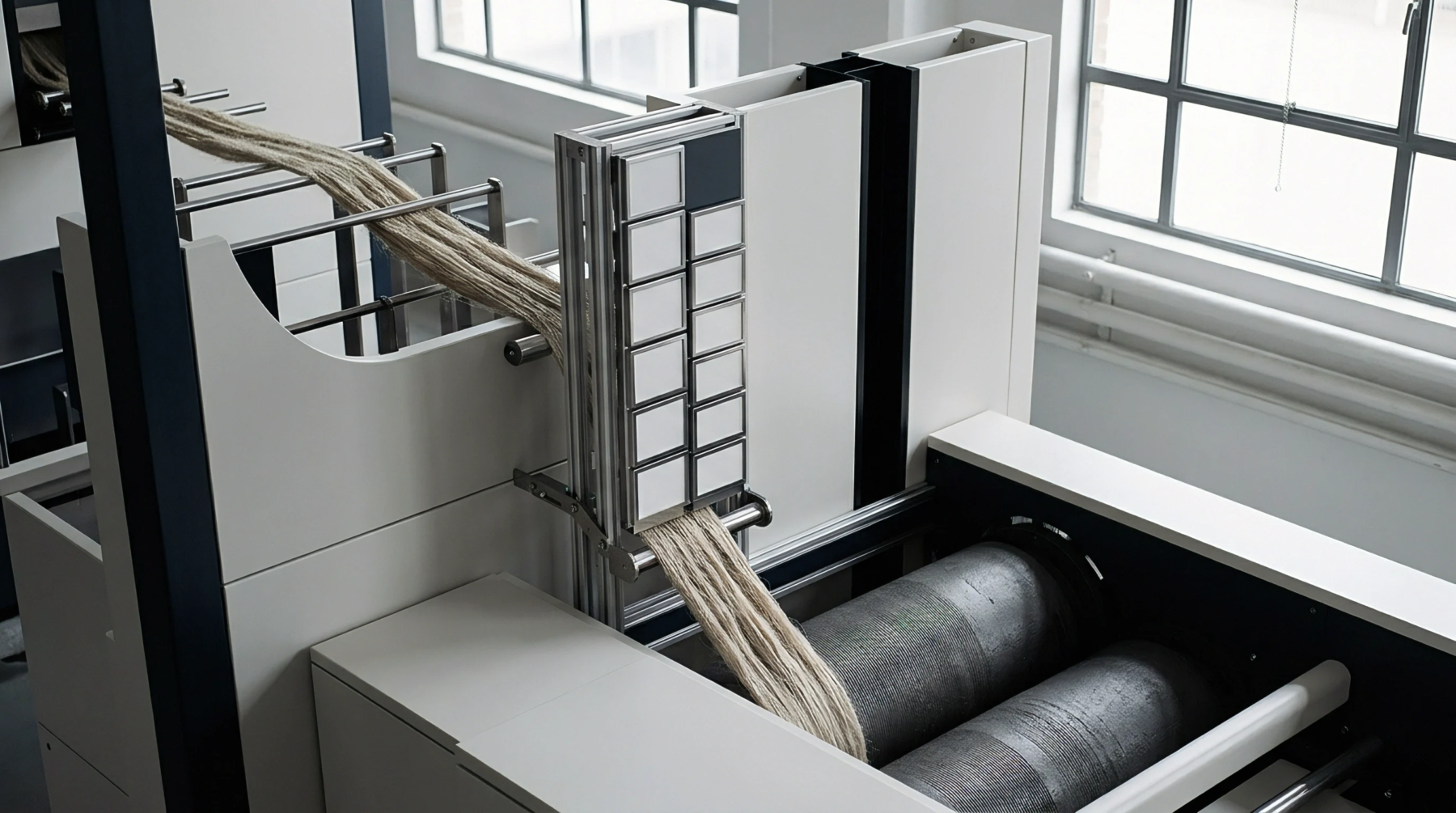
Mechanical failure occurs when the applied load on a spinning strand exceeds the ultimate tensile strength of the individual flax fibres. Yarn tension break represents a failure mode monitored during the wet spinning process within Chinese textile mills. Inspectors identify these occurrences by tracking the frequency of snapped ends at the drawing frame or the ring spinner.
Each incident appears in the production log as a loss event that necessitates an immediate reattachment of the strand to prevent downtime. Fibre brittleness or uneven moisture absorption in the roving often causes these ruptures during high speed winding.
Performance Metric
Maintenance teams utilize this measurement to verify the stability of the drafting force applied to the flax ribbon. A high count of events per thousand spindles indicates a degradation in fibre quality or an imbalance in the lubrication applied during the hackling stage. Production managers compare this frequency against internal benchmarks to determine if the raw material batch meets the factory processing requirements.
Consistent monitoring allows for adjustments in humidity settings within the spinning hall to preserve strand integrity.
Quality Threshold
Commercial agreements define acceptable limits for these ruptures to ensure the fabric grade remains high enough for export markets. Buyers often set a maximum density of knots or splices caused by these events in the final cloth weight. Mill records for yarn tension break provide the evidence required for settling claims if the delivered material fails the laboratory inspection against the specified international textile standards.
Any deviation from the agreed limit results in the reclassification of the batch into a secondary product grade.