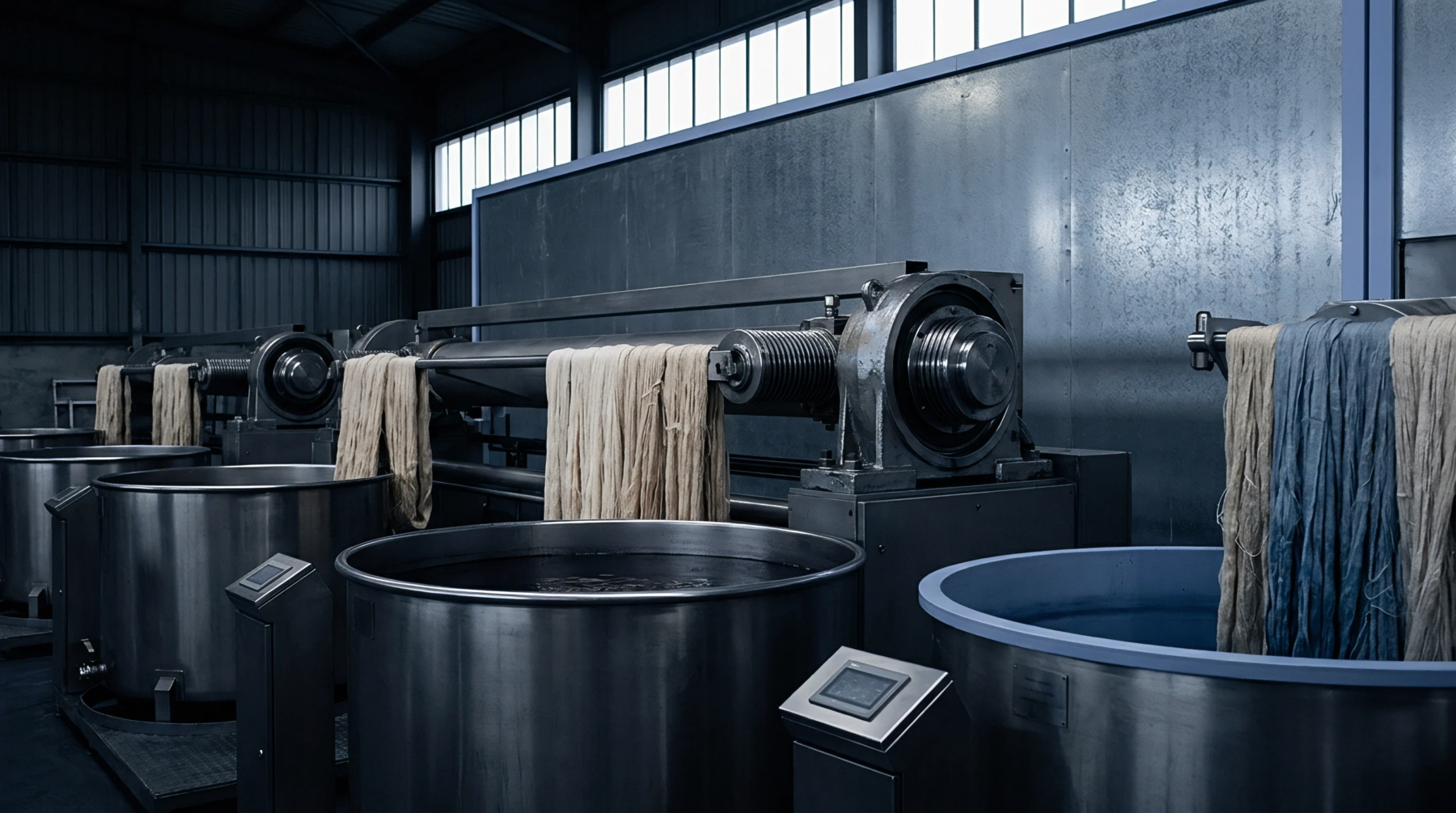
Atmospheric Conditioning
Hydration levels within flax fibre shipments reach a stable point when the partial pressure of water vapour inside the yarn package matches the humidity of the ambient air. Yarn package moisture equilibrium defines the specific saturation threshold required for reliable weight measurement during the commercial exchange of processed linen. This condition prevents mass discrepancies that arise when dry fibre absorbs moisture from the climate of the destination facility.
Inspectors confirm compliance by checking if the net weight remains constant over a period of staged exposure to controlled air.
Equilibrium Variance
Fluctuations in relative humidity create a gradient between the exterior and interior layers of a densely wound cylinder. Moisture migrates slowly towards the core, potentially delaying the point at which the entire mass hits a consistent baseline. Mill managers monitor the rate of this transfer to decide how long a lot must stay in the quarantine bay before testing.
A deviation from the target value indicates that the internal core remains significantly drier or wetter than the outer wraps.
Commercial Standardisation
Acceptance protocols for high quality linen exports rely on the established dry mass of the material to protect against invoice errors. Buyers demand validation that the fibre reached this stable state before the final weighing stage at the shipping port. Certificates of weight issued by the laboratory specify the recorded moisture gain relative to the oven dry mass of the sample.
Precise adjustment to these conditions serves the interest of fair pricing by removing the risk of paying for water weight.