Energy Absorption
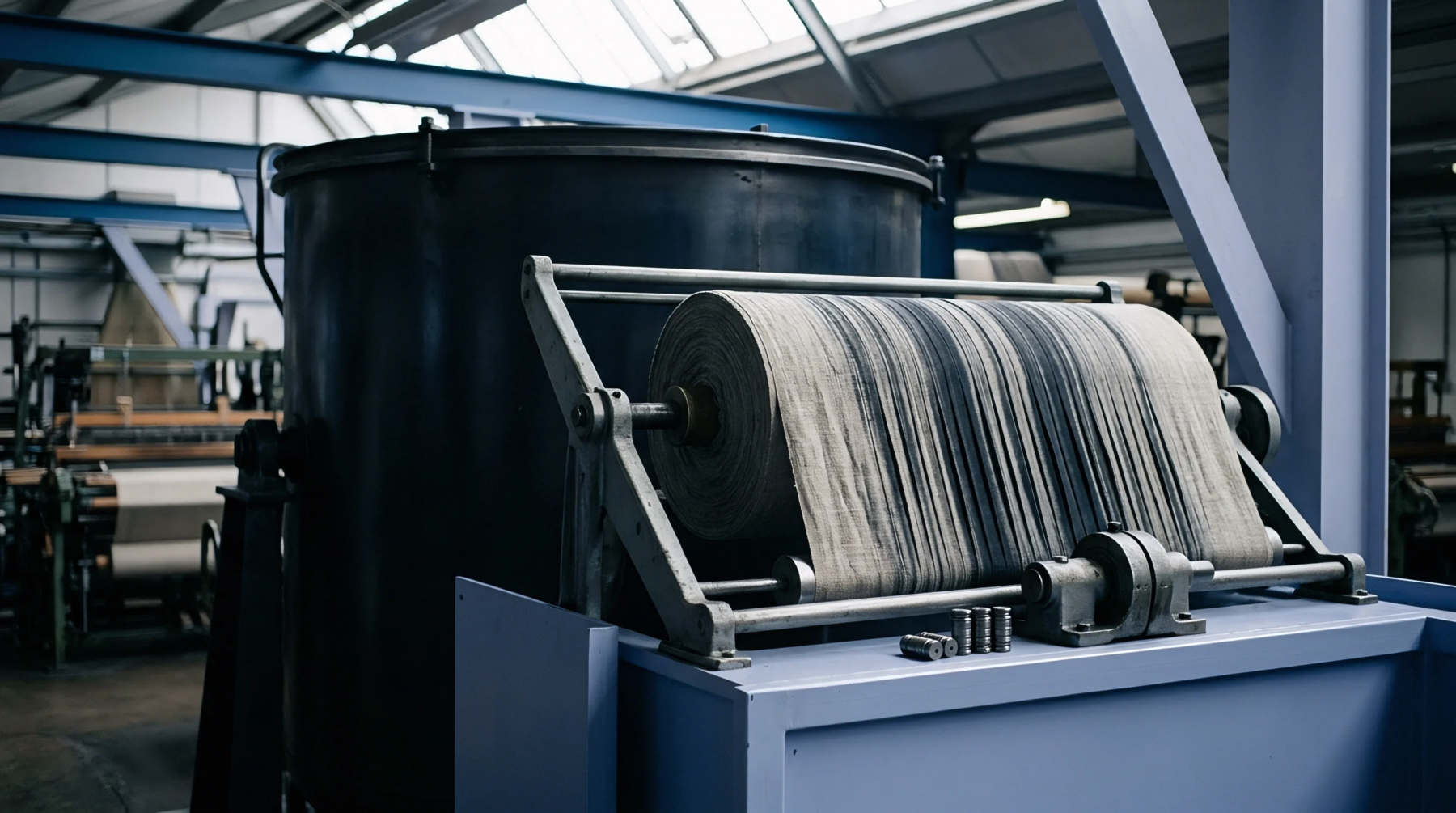
Total energy absorption metrics measure the mechanical work required to cause complete tensile fracture in a material specimen. Calculated work to break represents the integrated area under the force-elongation curve measured during single-strand tensile testing of flax yarns or fabrics. Mill quality testing logs record work to break values in millijoules on yarn lot inspection certificates.
Technical buyers include minimum work to break requirements in procurement contracts to assess toughness under dynamic impact loading during weaving. The metric covers destructive tensile testing of yarns and woven fabrics on automated test benches.
Rupture Mechanics
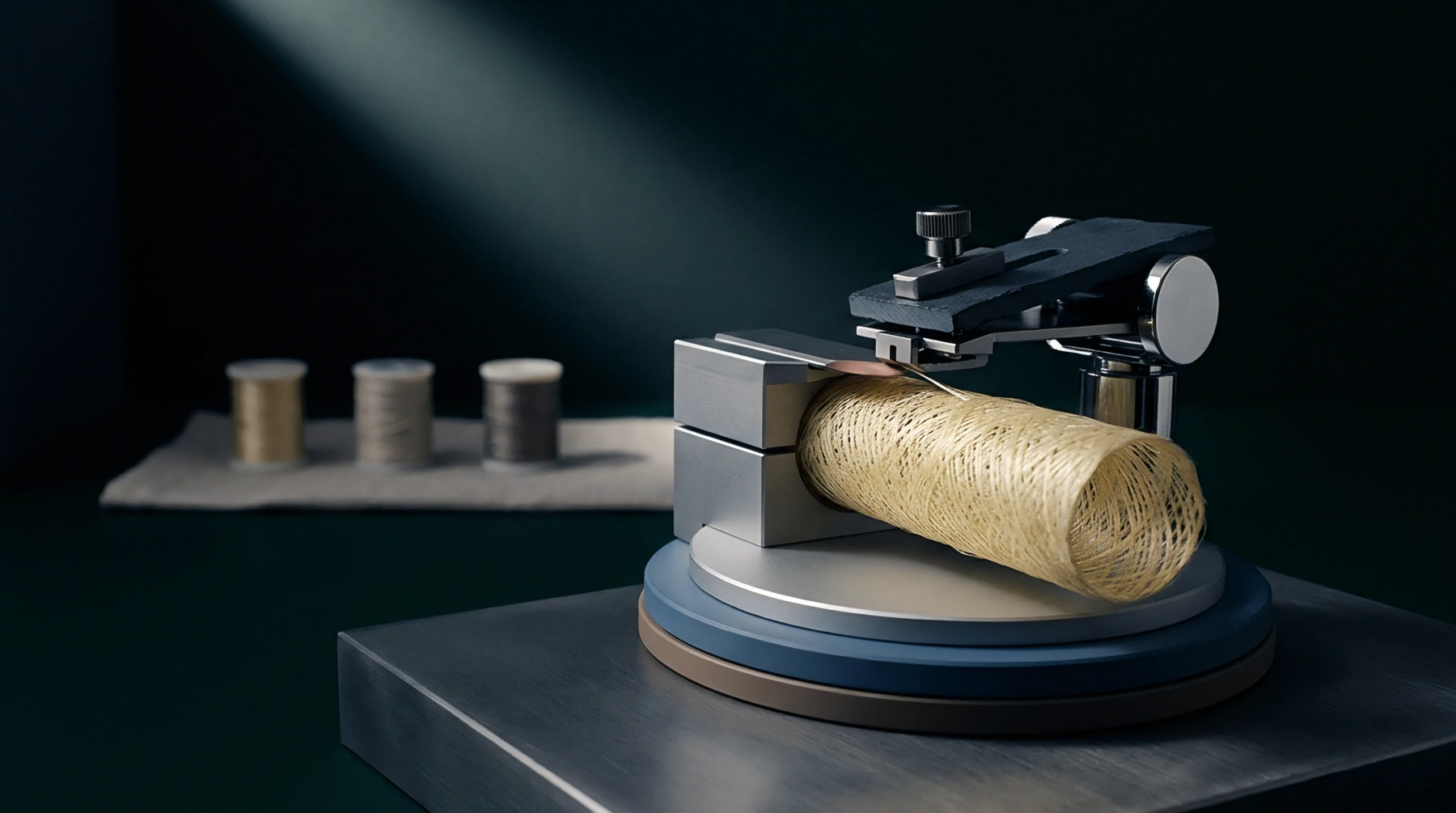
Tensile testing instruments pull specimen strands at fixed extension speeds while continuous load cells record instantaneous force values. Integrating force over displacement yields the total energy absorbed by the flax structure up to complete mechanical failure. High work to break values reflect a balance between high tensile strength and sufficient strain capacity under sudden mechanical loading.
Wet-spun linen yarns exhibit distinct work to break profiles due to crystalline cellulosic microfibrils combined with plastic deformation of residual pectin matrices. Dynamic tension spikes on modern air-jet and rapier looms cause yarn breakage if work to break levels fall below operational limits. Laboratory software calculates energy integration automatically from digital force-displacement curves during routine lot testing.
Acceptance Criterion
Material compliance reports list energy absorption metrics alongside ultimate breaking force and elongation percentages. Weaving mills use work to break data to predict warp break rates on high-speed shedding equipment. Low energy absorption values indicate brittle yarn behavior and trigger lot rejection.
Testing records verify material compliance before yarn lot delivery to weaving facilities.