Residue Composition
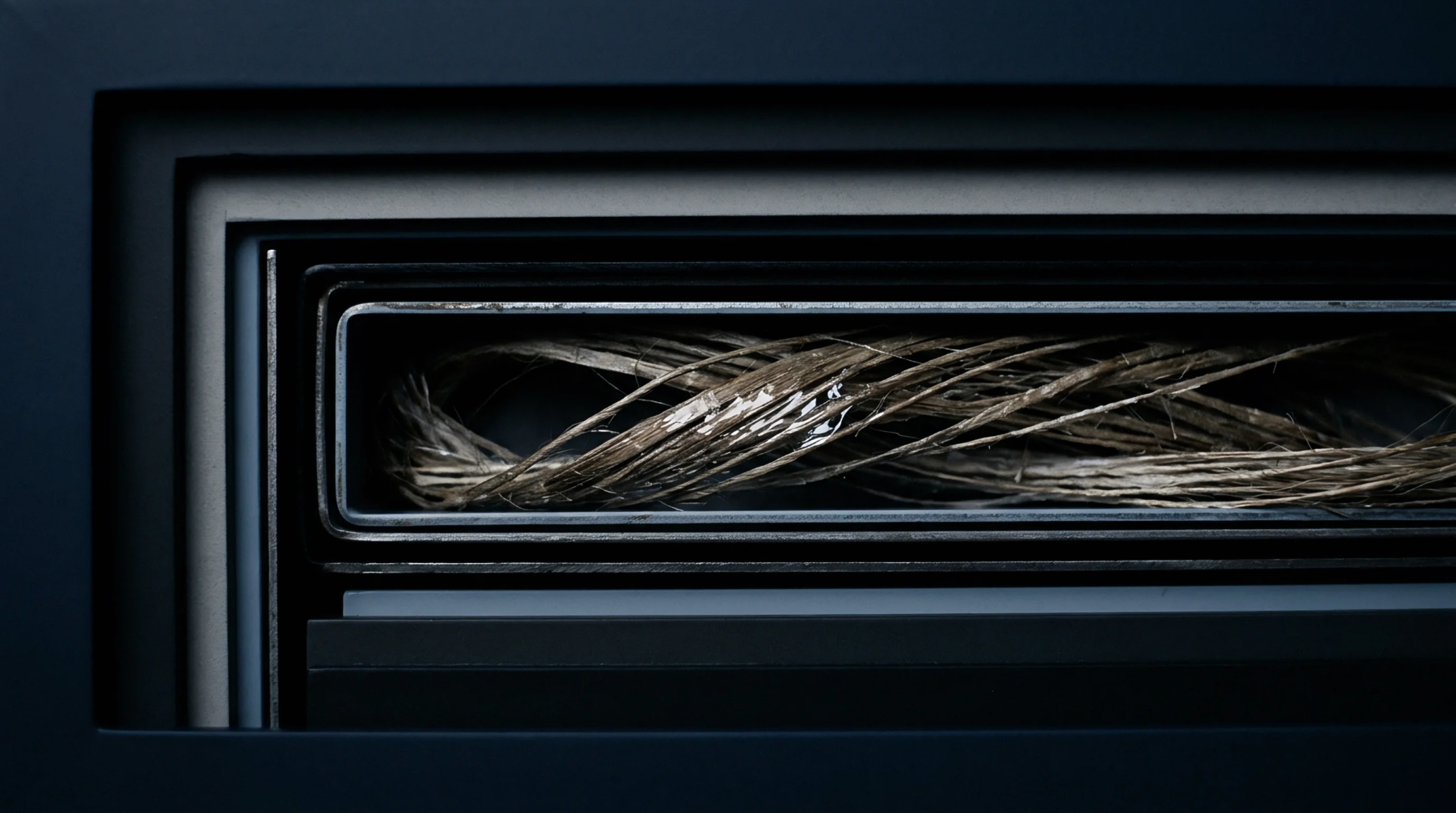
Wet spinning sludge comprises the concentrated organic and inorganic solid particles removed from the recirculated water streams during the wet flax spinning process. Mills extract these materials to prevent the buildup of pectin, bast fibre fragments and sizing agents within the pressurized spray systems that keep flax rovings pliable. Operators filter this material through mechanical separators to ensure that the process water remains clean enough to maintain the structural integrity of high-quality yarn.
Without consistent removal of these dense suspensions, the fine nozzles used in wet spinning suffer from rapid erosion and erratic spray patterns that degrade the quality of the finished output.
Production Impact
Management of wet spinning sludge influences the operational efficiency of the entire spinning floor by defining the lifecycle of critical filtration equipment. Fine flax fibres often clump together within the effluent, creating a heavy paste that clogs drainage pipes and forces premature shutdown of machinery for manual maintenance. Teams verify the accumulation rate of these solids as part of daily water quality reporting to distinguish between simple fibre accumulation and hazardous chemical buildup from batch sizing agents.
Excessive volumes indicate that the initial scouring stage of the raw flax failed to remove enough woody shive, forcing the mill to compensate by increasing the intensity of the wet cycle spinning process. Stable production schedules depend on the accurate calibration of these filtration systems to handle the specific density of the waste captured in the tanks.
Quality Standard
Buyer acceptance criteria for flax textiles prioritize the cleanliness of the final product and reject materials that show signs of contamination from poor water management during the manufacturing stages. Inspectors audit the recorded mass of wet spinning sludge discarded per tonne of finished yarn to verify that a facility adheres to modern water filtration and environmental discharge standards. Mills that cannot demonstrate proper disposal of this residue risk losing access to high-end textile markets that demand strict traceability of production waste.
High counts of these solids in the discharge water directly lower the profit margin for the mill because it increases the power load on treatment pumps. Regular monitoring of this waste output remains the single most reliable method for controlling water usage costs.