Surface Attrition
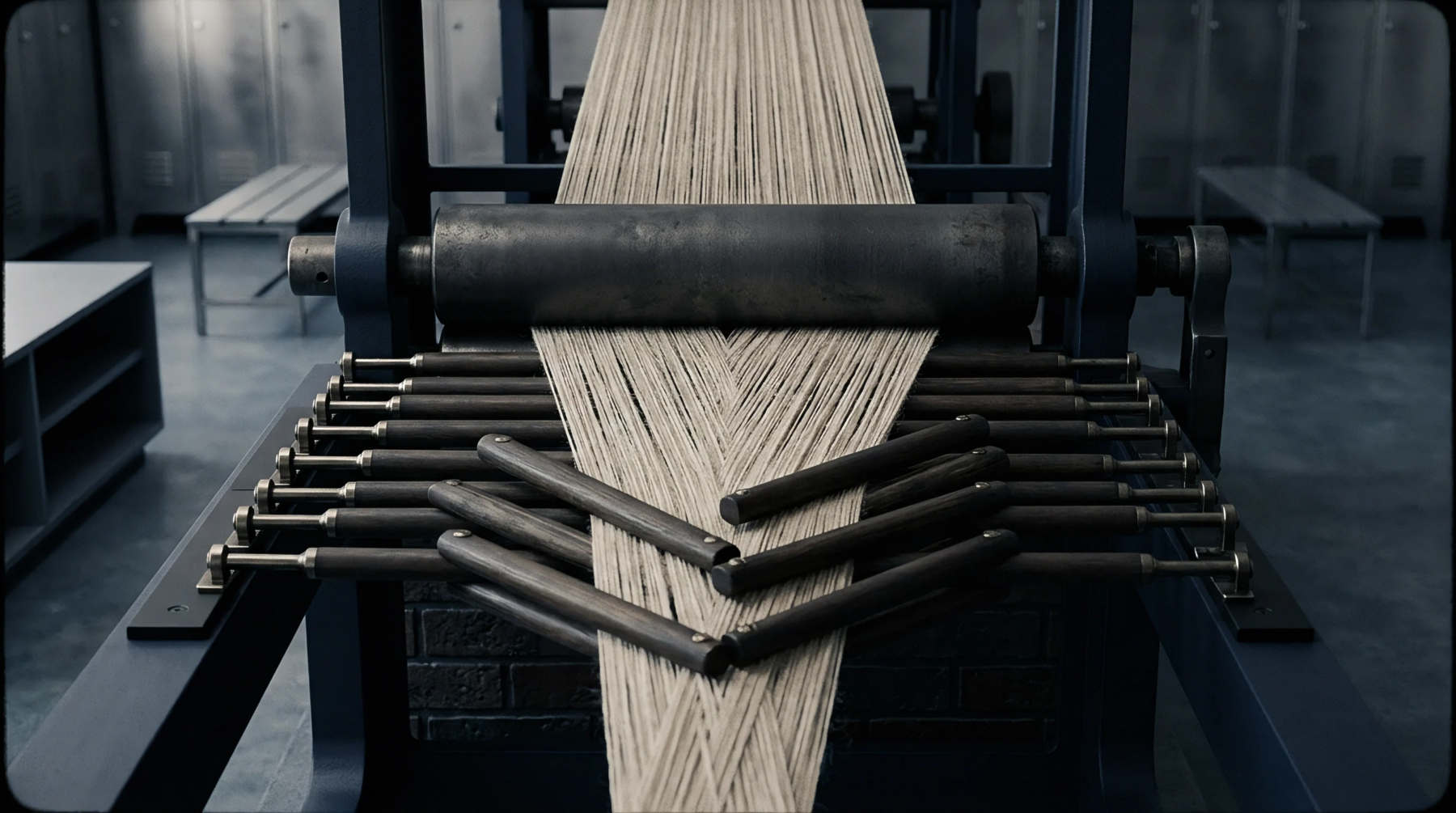
Progressive dimensional loss per unit of operating time or sliding distance quantifies the mechanical deterioration of contact components. Flax processing equipment exhibits a pronounced wear rate due to the coarse surface texture and embedded mineral particulates characteristic of bast fibre bundles. Ring travelers, drafting rollers, pigtail guides, and ceramic yarn eyelets endure continuous abrasion that steadily erodes contact geometry throughout daily operation.
This metric ceases to apply to sudden catastrophic fracture, focusing strictly on progressive surface degradation over sustained running periods.
Contact Degradation
Intense contact pressure and linear velocity dictate the pace of surface degradation across drafting zones. High-speed cone winding running unlubricated linen yarn generates elevated thermal energy, accelerating groove formation along metallic tension discs. Wet-spinning frames reduce abrasive cutting through water lubrication, yet acidic chemical compounds leaching from flax pectins introduce corrosive wear alongside mechanical shearing.
Component Replacement
Optical profilometers and analytical scales quantify component surface losses during scheduled preventative maintenance checks. Mill maintenance engineers record the wear rate of ring travelers in milligrams per thousand operating hours, establishing fixed replacement cycles before traveler grooving snags delicate linen singles. Machine logbooks pair operating hours with processed yarn counts, creating baseline data that guides maintenance budgets.
Commercial quality auditors examine these preventative maintenance dockets during factory audits to ensure worn mechanical parts do not create yarn slubs or uneven twist insertion across commercial linen orders. Managing component attrition through hardened carbide and polycrystalline ceramic upgrades lowers replacement frequency and maintains uniform yarn hairiness across year-round spinning cycles.