Absorption Capacity
The ability of natural cellulose to attract and hold moisture from the surrounding environment defines its comfort and processing characteristics. This process of water sorption is highly developed in flax, which can absorb up to twenty percent of its dry weight in moisture before feeling damp to the touch. This high capacity is due to the porous molecular structure of the bast fiber cells.
Process Dynamics
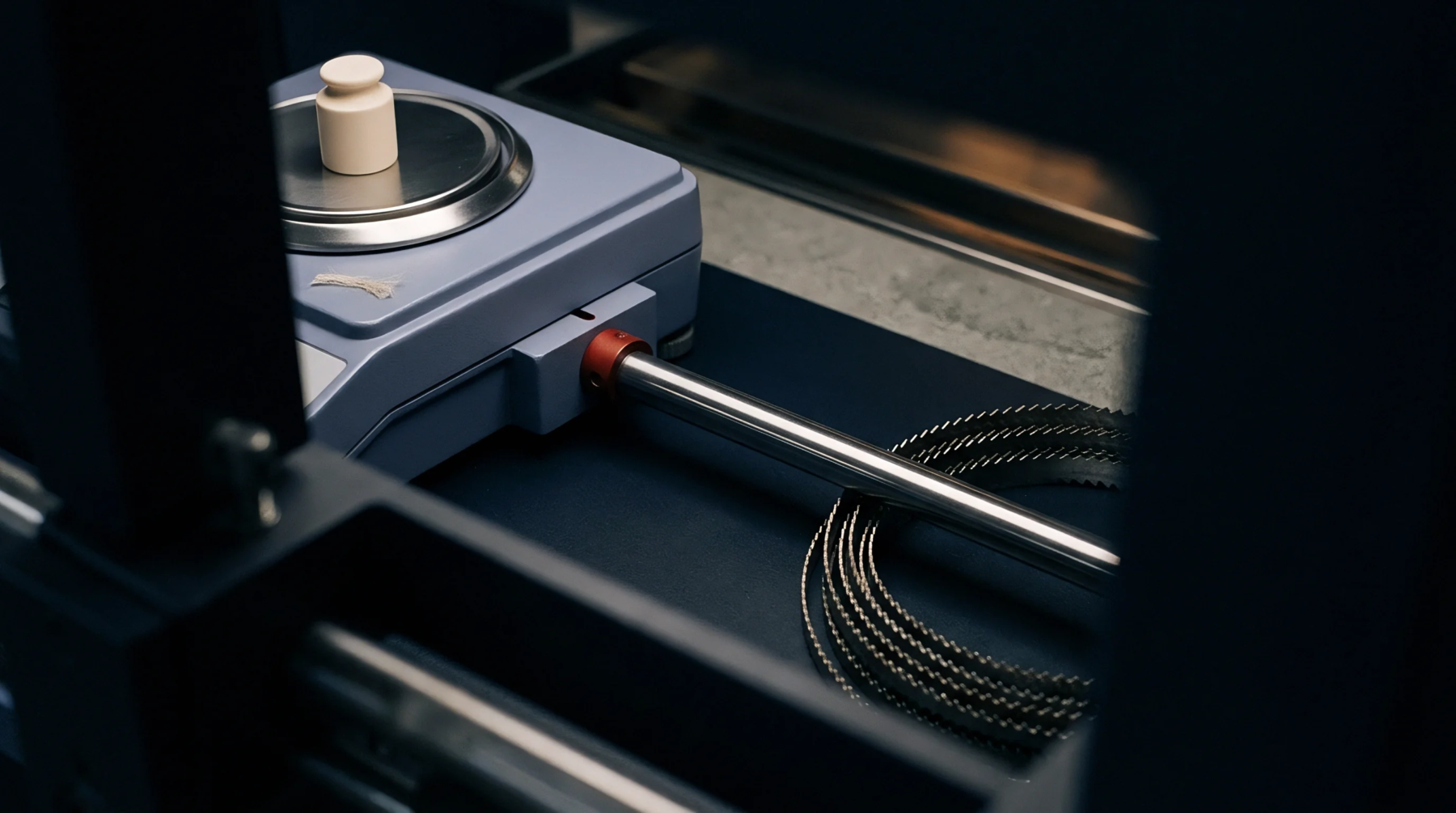
Measuring how the fiber interacts with moisture requires exposing a dry sample to different levels of relative humidity and tracking its weight change over time. The rate of water sorption is influenced by the temperature of the air and the amount of remaining pectin on the fiber surface. In the spinning mill, this interaction must be managed to prevent the fiber from becoming too dry and brittle, which would cause yarn breakage during drafting.
This dynamic is monitored using electronic moisture meters in the storage and production areas.
Textile Finishing
Exploiting this natural property during the finishing process allows for deeper dye penetration and more effective chemical treatments. A high level of water sorption ensures that the woven linen fabric absorbs liquid dyes evenly, resulting in bright and long-lasting colors. This absorption capacity also contributes to the famous cooling effect of linen garments worn in hot weather.