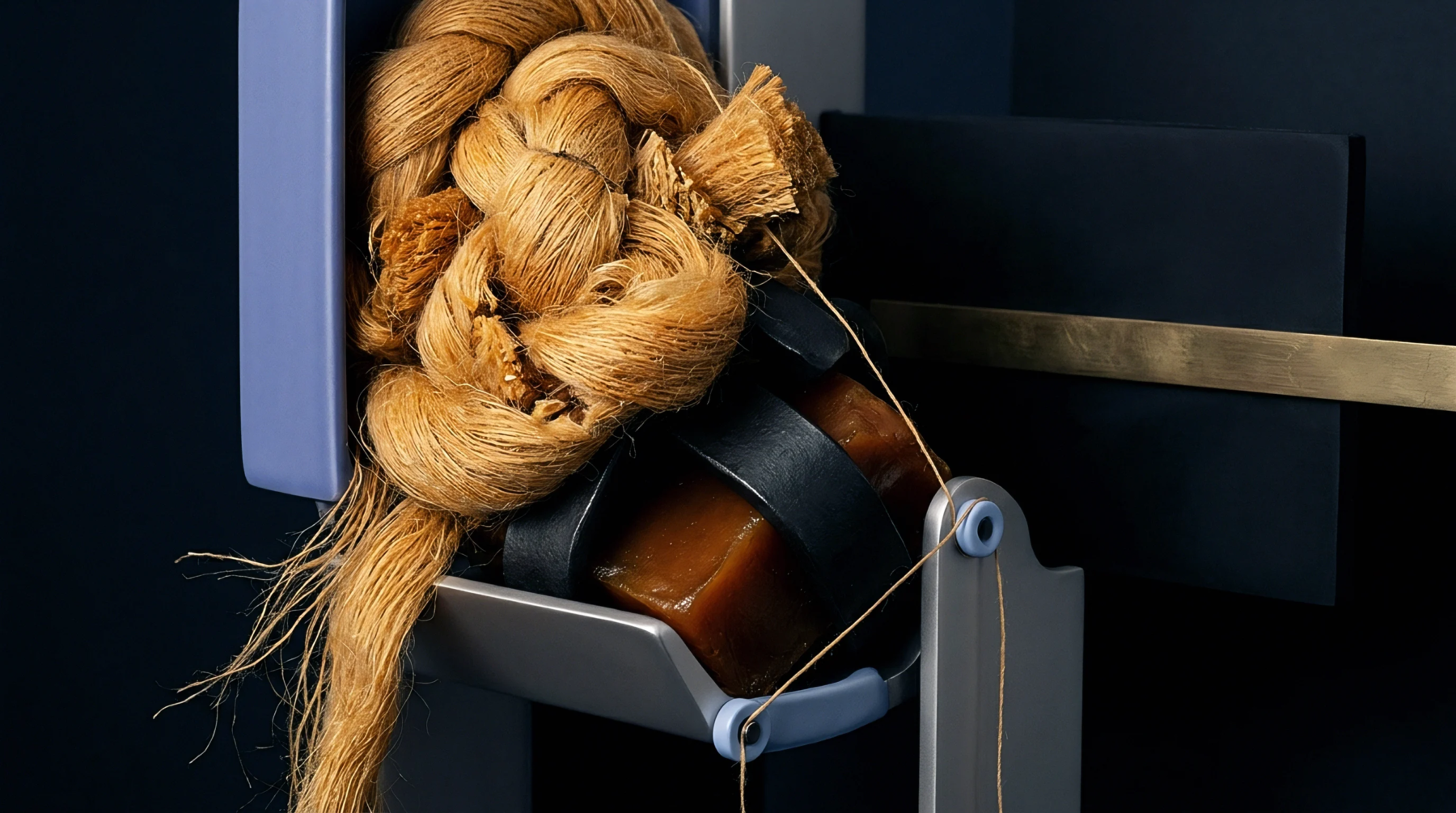
Polymer Measurement
Fluid resistance values determine the degree of cellulose degradation in linen fibers after wet processing and bleaching. The viscosity of flax dissolved in a cuprammonium solution indicates whether the chemical treatments have shortened the cellulose chains. Laboratory technicians record this measurement in the Fiber Damage Test Report.
High molecular weight correlates with high fiber strength and high viscosity.
Bleaching Control
Controlling the chemical dosage during the whitening process prevents the oxidation of cellulose which reduces the wear life of the linen fabric. Through measuring the viscosity of the treated fibers, the mill ensures that the hydrogen peroxide bath has not excessively damaged the polymer structure. This measurement acts as the primary tool for auditing bleach house safety.
The resulting values are recorded on the Bleaching Quality Sheet to confirm that the fiber remains strong. If a bleach batch shows a sudden drop in these values, the chemist adjusts the alkali concentration in the next cycle to prevent further cellulose degradation.
Yarn Longevity
Severely degraded cellulose yields yarn that feels brittle and wears out quickly when washed. If the viscosity drops below the specified minimum, the linen fabric will fail the buyer’s mechanical wear tests. Maintaining a high viscosity ensures the finished fabric is durable.