Dissolution Measurement
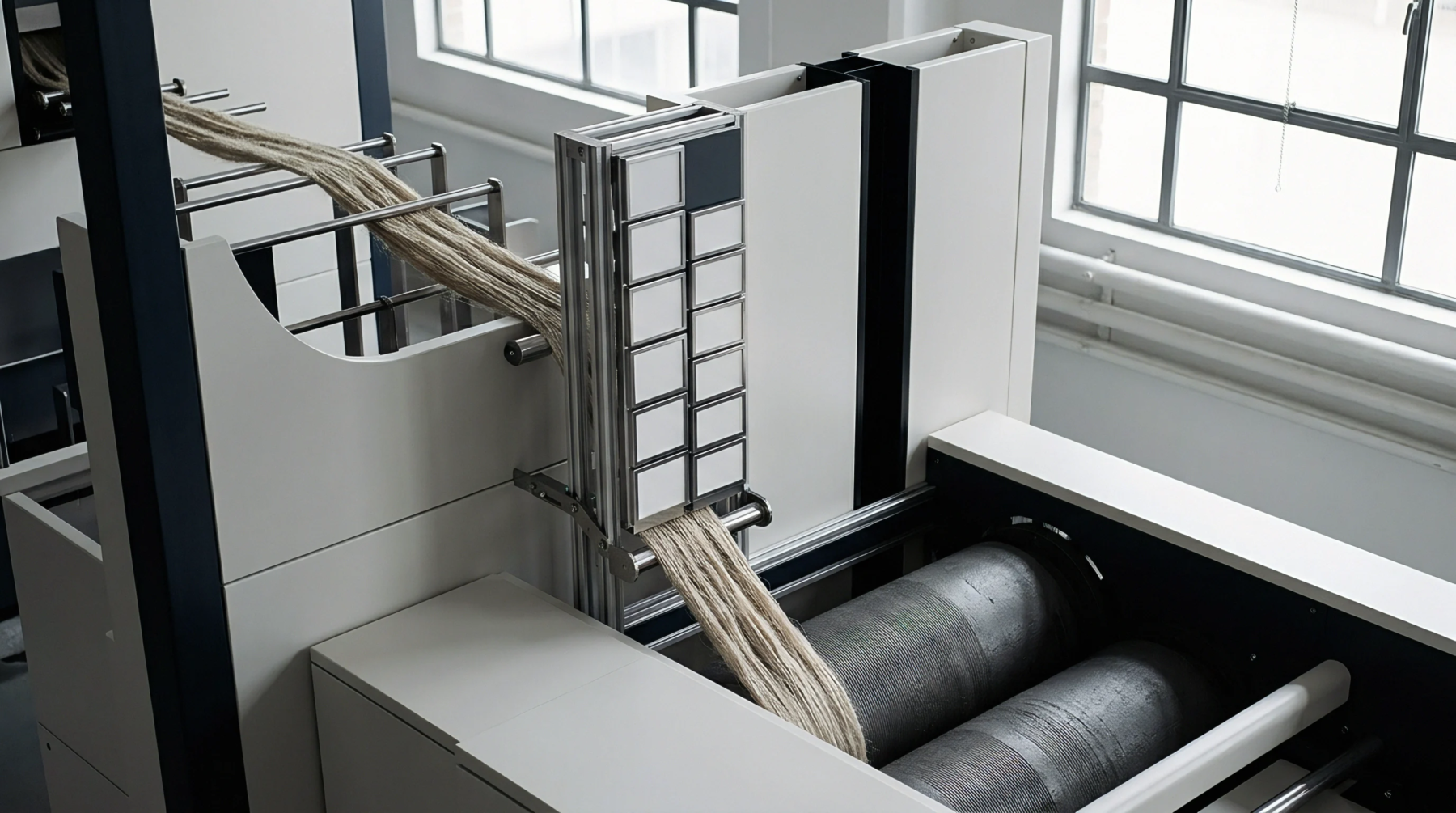
Fibre processing in wet spinning mills involves passing flax roves through heated water to soften the natural pectins that bind the cellulose fibres together. Monitoring the trough mass loss allows spinning managers to measure the percentage of organic material dissolved during this hot-water immersion. This measurement is critical for calculating yarn yields and predicting chemical usage in effluent treatment plants.
Process Mechanism
Warm water kept between sixty and seventy degrees Celsius dissolves pectins, hemicelluloses, and mineral salts from the flax rove as it travels through the trough. The resulting trough mass loss typically ranges from two to five percent of the total dry weight of the yarn. If the water temperature rises too high or the exposure time is too long, excessive cellulose degradation occurs, making the yarn weak and brittle.
Spinners must continuously balance the rate of rove feed against water temperature to ensure uniform softening without causing high yarn breakages.
Yield Impact
Calculations of total fibre consumption must account for this lost mass to avoid discrepancies between raw material inputs and final spun yarn outputs. High trough mass loss reduces the net output weight, directly increasing the cost of the finished yarn. Spinners use specific gravimetric balances to verify these losses on a weekly schedule.