Fiber Salvage
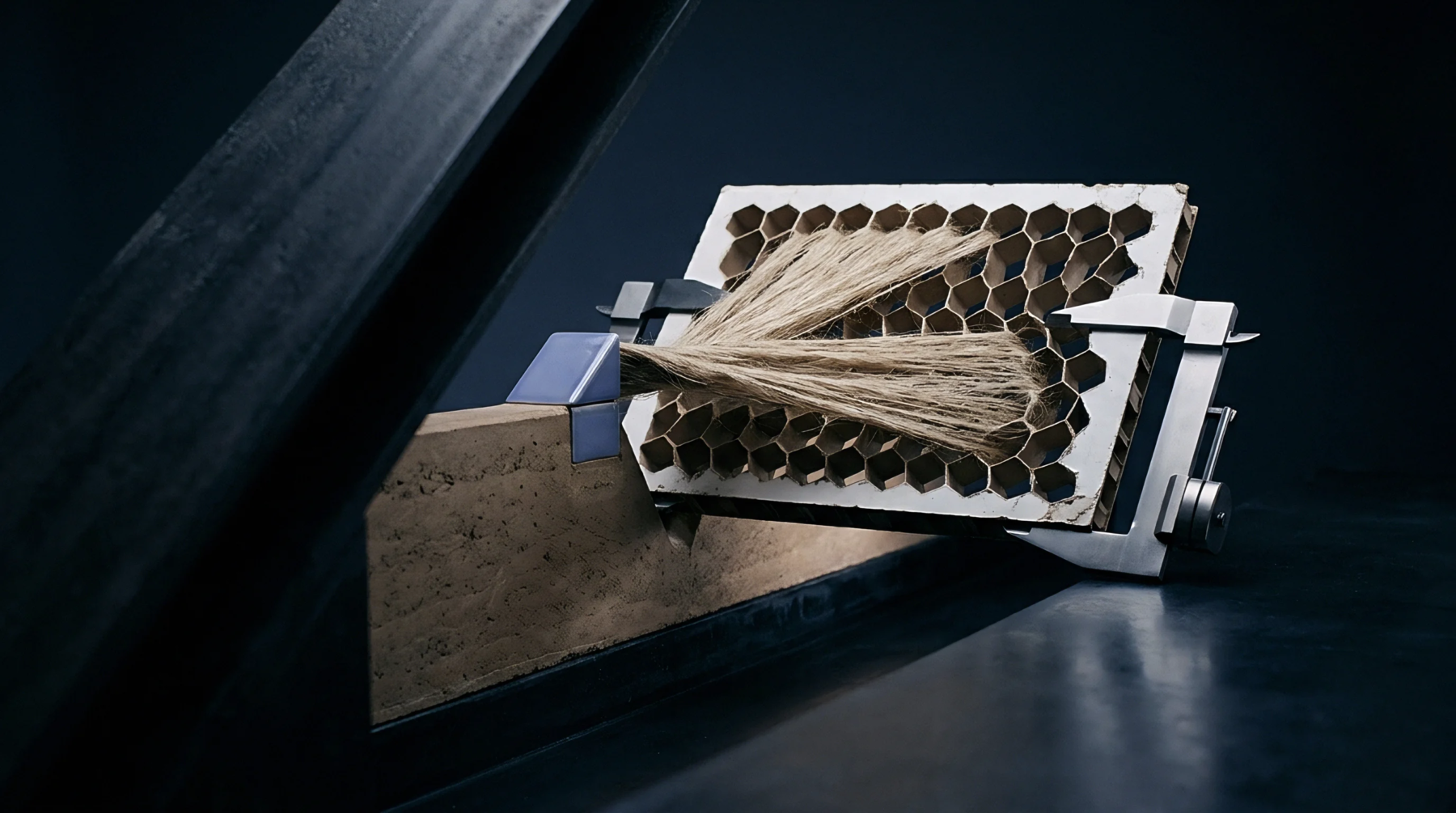
Mechanical processing of short-staple linen waste recovers usable lint from the residue generated during initial scutching or combing operations. Tow recovery captures secondary fiber masses that are otherwise relegated to coarse textile manufacturing or industrial filler markets. These secondary filaments exhibit lower length uniformity than primary line fibers but retain the structural integrity required for fine-yarn spinning when managed through appropriate alignment equipment.
Process Efficiency
Sorting mechanisms categorize fiber strands based on density and length profiles after the primary extraction phase of flax production. This tow recovery requires adjustment of combing settings to prevent damage to the delicate cellulose structure of the harvested flax. The resulting yield provides a source of raw material that reduces the volume of solid waste per harvested hectare.
Variations in machine tension determine the ratio of recoverable fiber versus chaff, influencing the economic profile of a batch throughout the processing circuit.
Economic Standardization
Buyers evaluate the quality of recovered fibers by measuring mean length and non-fiber impurity content according to established industry classification protocols. Grades derived from tow recovery reflect the efficiency of the machinery used to separate wood particles and short fragments from the desired bast fiber. Higher purity levels allow these salvaged strands to move into higher-value spinning lines intended for lightweight linen textiles.
Consistent performance of the recovery system stabilizes the overall supply chain costs by maximizing the utility of every harvested stalk.