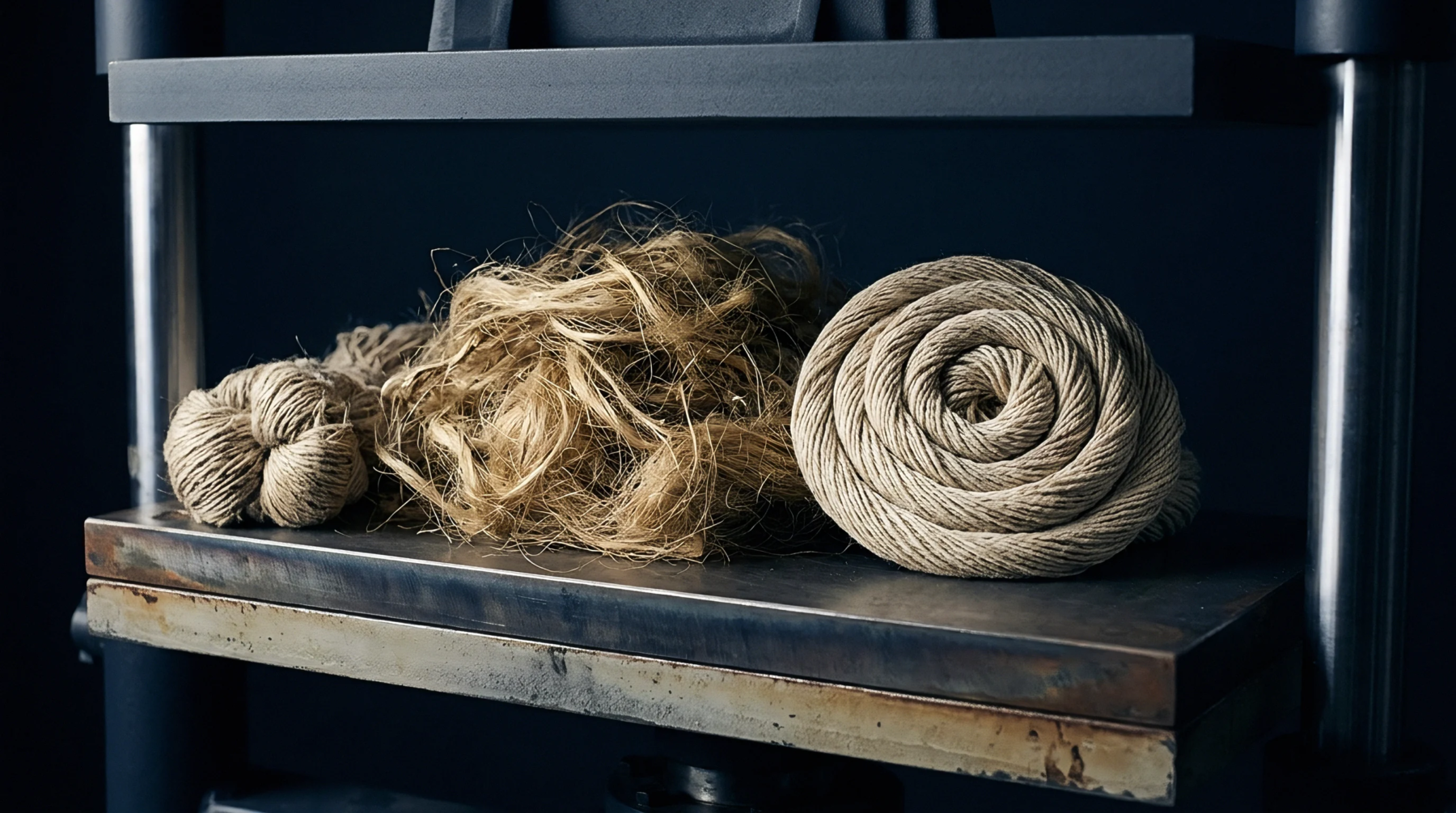
Byproduct Release
Combing and hackling processes in flax mills separate the long, premium line fibers from the shorter, tangled fibers. This process of tow generation results in a secondary fiber category that is collected for coarser yarn applications. While long fibers are used for fine apparel, the shorter tow fiber is spun into coarser yarns for twine, sailcloth, or heavy fabrics.
This ensures that every part of the flax plant is utilized.
Processing Efficiency
Mills monitor the proportion of short fibers produced during combing to evaluate the quality of the raw flax and the adjustment of the hackling machines. High rates of tow generation indicate either that the raw flax was of poor quality or that the combing pins are set too aggressively, tearing the long fibers. Because tow sells at a much lower price than long line fiber, minimizing this byproduct is essential for the profitability of the spinning mill.
Adjusting the speed of the hackling bars can help control this ratio. This balance is critical to maintaining a profitable mill operation.
Secondary Production
Coarse fibers collected from the combing machines undergo a separate carding and spinning process to create industrial yarns. The tow generation stage produces a material that requires specialized cards to align the shorter, more disorganized fibers before spinning. These carded tow yarns are typically coarser and have more slubs, which gives them a rustic appearance that is highly valued for certain home textiles.
They are also used for reinforcing industrial composite materials due to their natural strength and low cost. When processed correctly, these short fibers can be spun into highly durable yarns that find a ready market in upholstery, heavy-duty linen bags, and decorative wall coverings. This diverse utility means that the byproduct represents an important revenue stream for the flax processing plant.