Thermal Banding
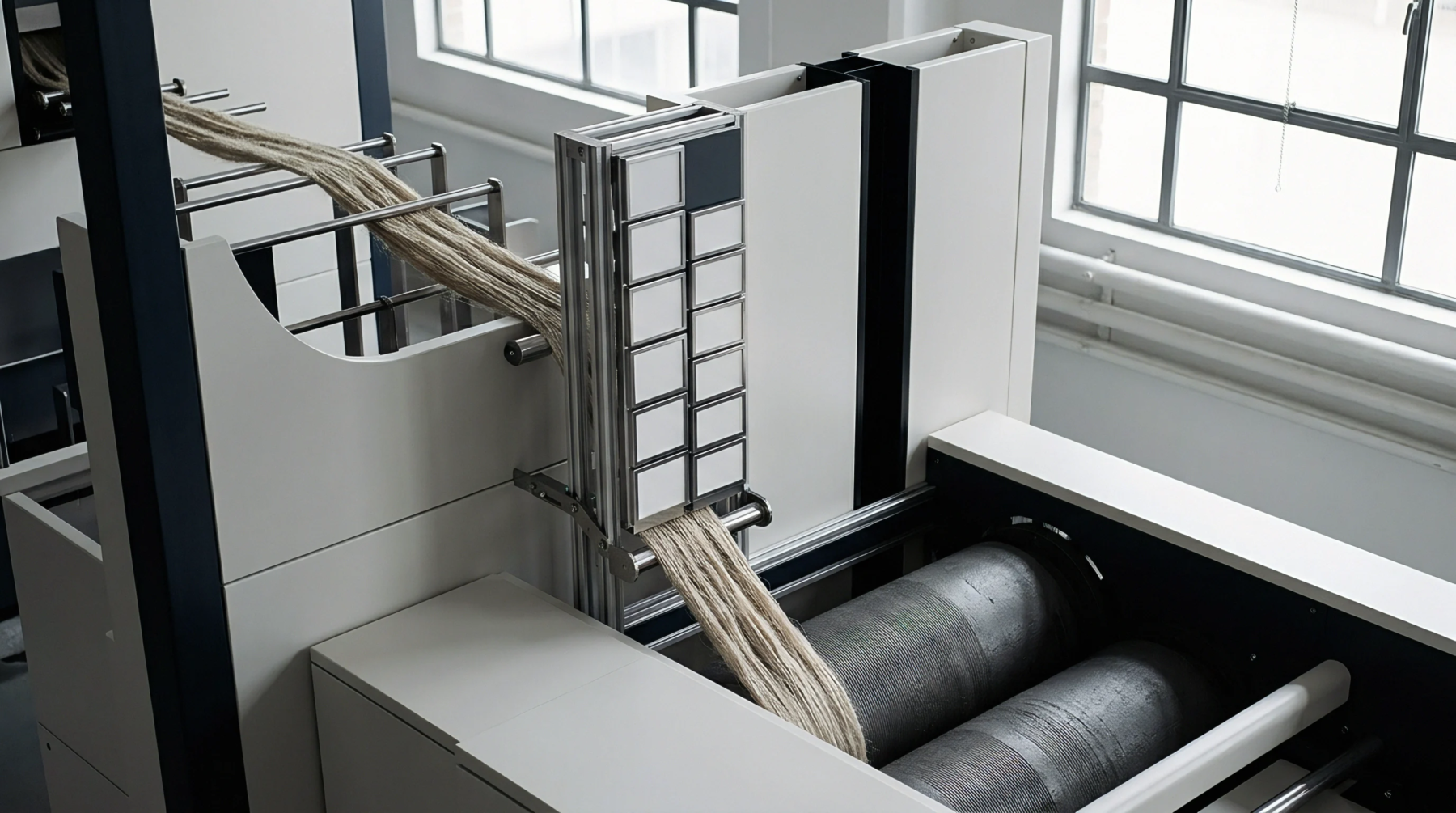
Kiln atmospheres inside bleaching sheds develop temperature stratification when horizontal layers of air establish distinct density gradients that prevent natural circulation. Natural convection fails to mix the upper and lower zones of the drying chamber because warm air rises and stays trapped beneath the ceiling while denser cold air pools near the floor. Operators measure this vertical heat variance through thermocouple arrays fixed at specific heights along the interior walls of the chamber.
Documented readings enter the daily thermal processing log which accompanies the linen batch to the subsequent finishing department. Production managers verify these numbers against internal mill standards rather than buyer acceptance criteria because customers inspect finished fabric hand and tensile strength instead of drying equipment logs.
Gradient Correction
Mechanical air circulation fans disrupt buoyancy driven layers by forcing downward currents that blend the stagnant thermal strata into a uniform medium. Direct gas burners located at the base of the heating unit require constant feedback from multiple height sensors to prevent localized scorching of flax yarns during high speed processing. Raw flax fibers shrink unevenly when exposed to localized heat spikes caused by persistent thermal boundaries inside the drying equipment.
Process Boundary
This operational control applies strictly to convective drying chambers handling continuous woven linen lengths and ceases to govern subsequent mechanical calendering operations. Fabric grades undergo different thermal evaluations once the material leaves the wet finishing line and enters dry storage zones where ambient humidity replaces atmospheric heat as the primary environmental variable.