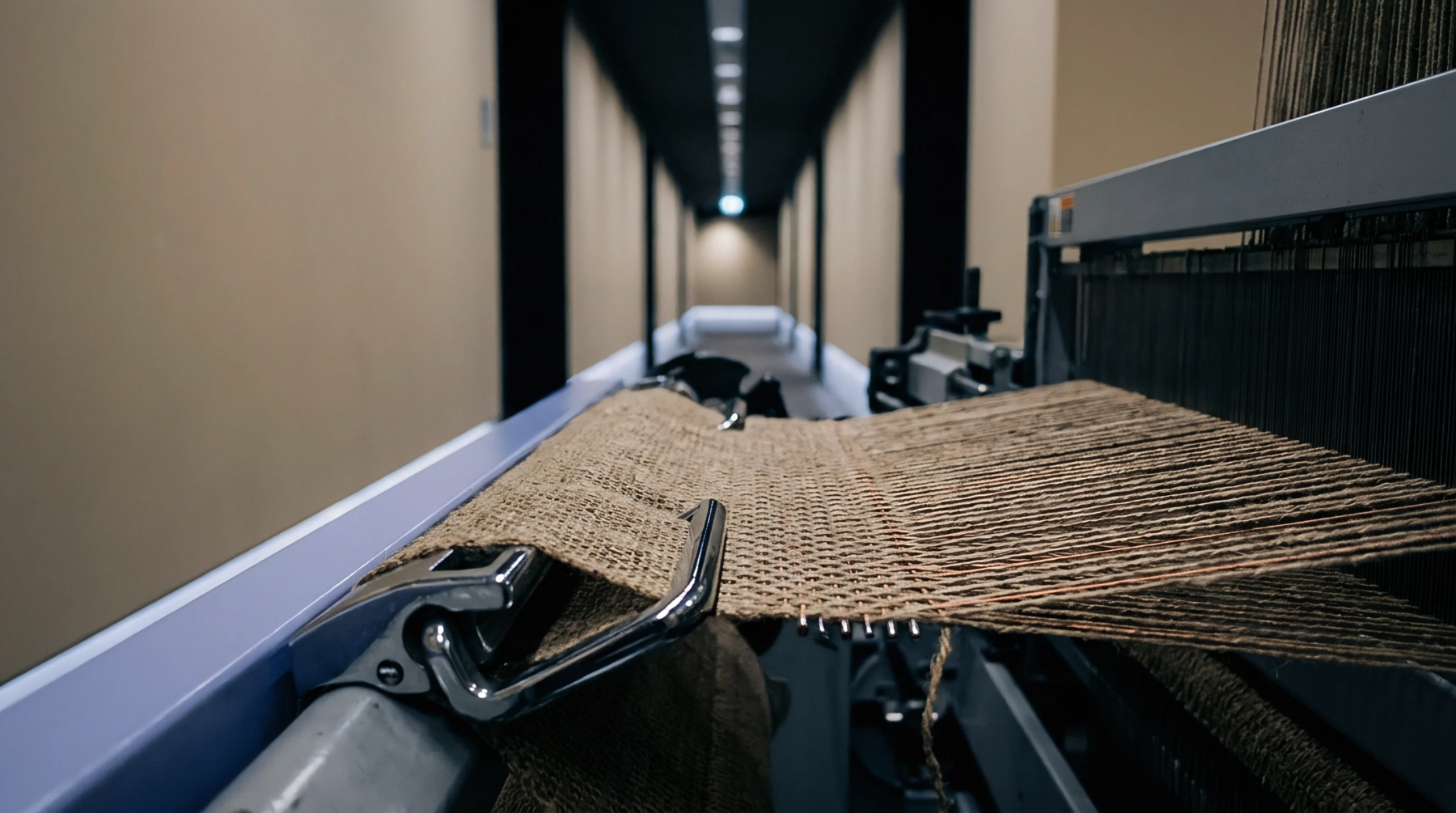
Productivity Standard
Negotiated limits on the number of machine interruptions define the expected efficiency of a textile production line. Establishing a stop frequency allowance provides a benchmark for evaluating the quality of the raw material and the condition of the machinery. This value is usually expressed as the number of stops per ten thousand picks or per spindle hour.
Root Cause
Breakages caused by yarn defects or mechanical malfunctions account for most of the downtime in a linen mill. When the actual downtime exceeds the stop frequency allowance, the yarn strength or the machine settings require investigation. High stop rates increase the workload for the weavers and reduce the total output of the shed.
Tracking these events allows for the allocation of costs to yarn suppliers if the material is found to be substandard.
Economic Impact
Labor costs are calculated based on the number of machines operated per staff unit. A generous stop frequency allowance might be necessary for difficult weaves, but it requires more staff on the floor. Managing this parameter ensures that the mill remains competitive by balancing speed with quality.
The final production report compares the actual performance against this allowance to determine the bonus for the technical team.