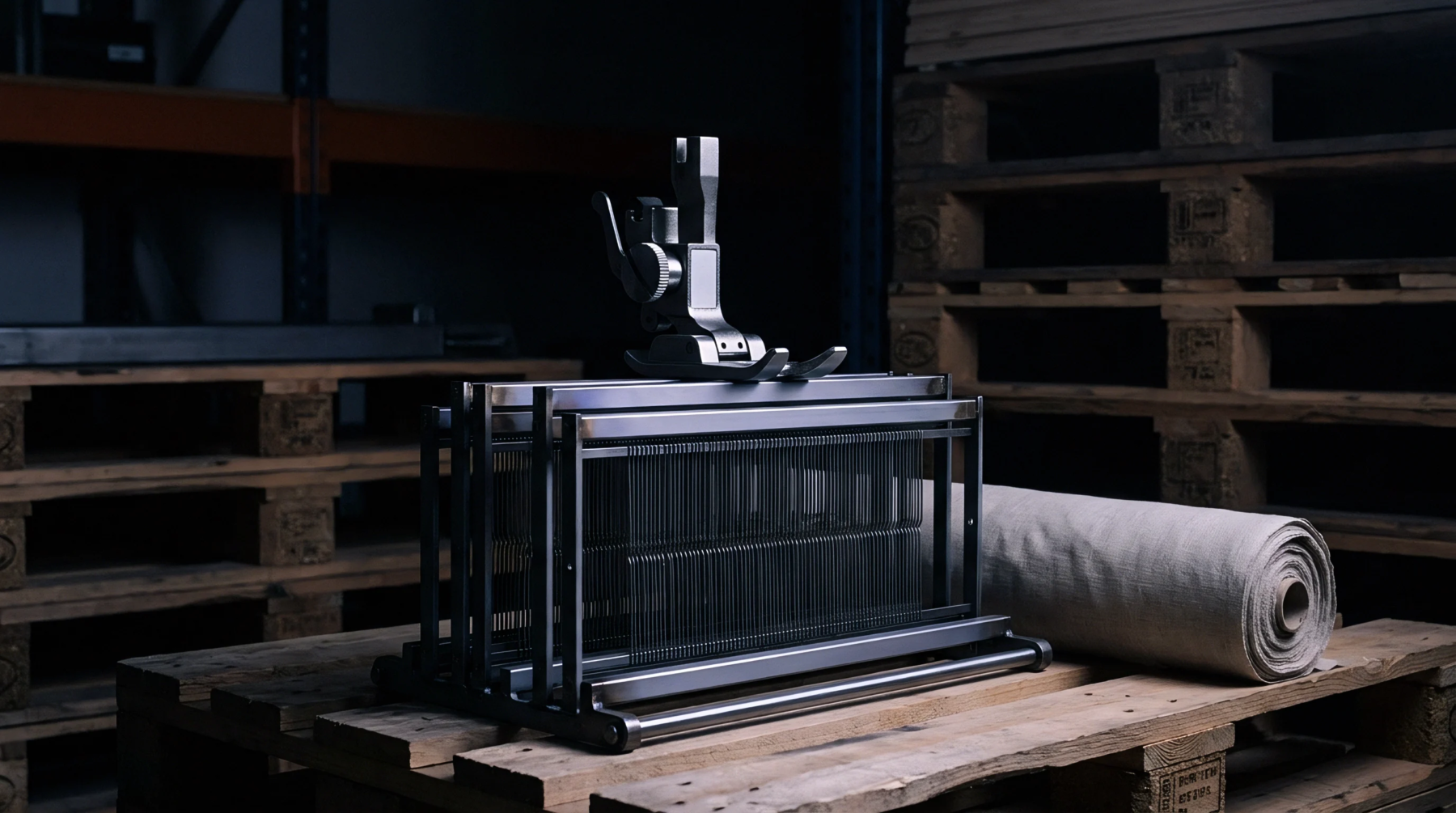
Yarn Refinement
Eradication of thick, irregular sections of yarn during the winding process ensures a uniform diameter across the entire package. The practice of slub clearance involves setting electronic yarn clearers to detect and cut away unwanted fiber accumulations from the spinning run. This selective removal balances the aesthetic demand for natural linen texture against the mechanical need for smooth yarn transit during weaving.
System Parameters
Sensor arrays on the winding machine monitor the yarn cross section continuously, triggering a cutting blade when the thickness exceeds preset limits. In executing slub clearance, the mill must distinguish between natural linen slubs that are part of the fabric’s character and harmful faults that would jam the loom harnesses. Setting the sensitivity too high causes excessive yarn breaks and knots, which lowers the yarn grade and slows down the winding speed.
The winding supervisor must adjust the yarn clearer’s clearance limit according to the warp or weft specification, where warp yarn requires a tighter clearing limit to ensure smooth shed passage, while weft yarn can accommodate larger slubs without disrupting the loom.
Record Maintenance
Compilation of yarn defect data helps spin mills adjust their carding and drawing settings to improve overall yarn consistency. Operators document the frequency of cuts per thousand meters in the winding room daily report, comparing the count to the yarn clearing standard. This database assists the quality team in certifying that each yarn lot complies with the buyer’s technical yarn specifications before shipment.