Fiber Inspection
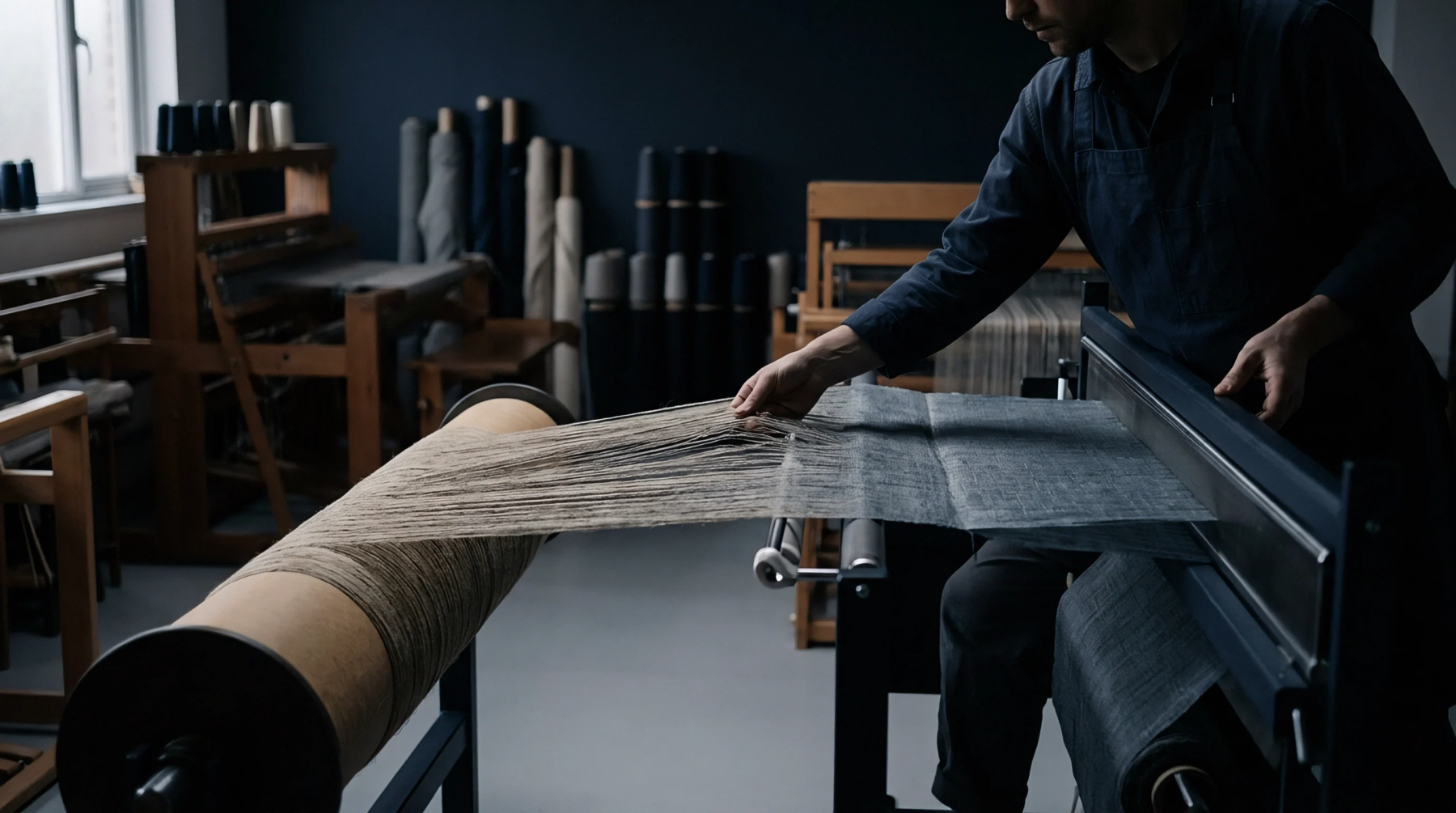
Coarse flax preparation generates high particulate counts during mechanical carding operations. Shive rejection rate measures the percentage of woody stem debris successfully separated from long linen fibers within an industrial hackling machine. Chinese processing facilities record this quantitative metric on daily quality control sheets to evaluate cleaning efficiency before spinning operations begin.
Mill management establishes baseline limits for waste output based on crop purity grades supplied by agricultural trading partners. Export documentation references the finalized cleaning percentage to verify that raw material preparation meets international textile standards.
Waste Threshold
Cardroom supervisors monitor daily particulate extraction figures against contractual impurity limits agreed upon with overseas buyers. Excessive wood particle retention compromises downstream drafting frames and causes yarn breakage during high speed ring spinning. Raw material suppliers deliver flax batches containing varying natural percentages of residual stem matter due to differing retting conditions.
Processing parameters undergo mechanical adjustment when incoming crop quality shifts outside standard operational tolerances.
Grade Variance
Export fabric specifications demand stringent purity levels that exceed domestic processing tolerances for ordinary apparel yarns. Finished woven linen inspected on light tables reveals microscopic debris traces if initial hackling parameters remain improperly calibrated. Laboratory technicians compare extracted woody waste weights against total raw fiber input to establish final export certification grades.
Commercial contracts penalize suppliers severely when cleaning efficiency percentages fall below the agreed threshold during batch auditing procedures.