Tension Relief
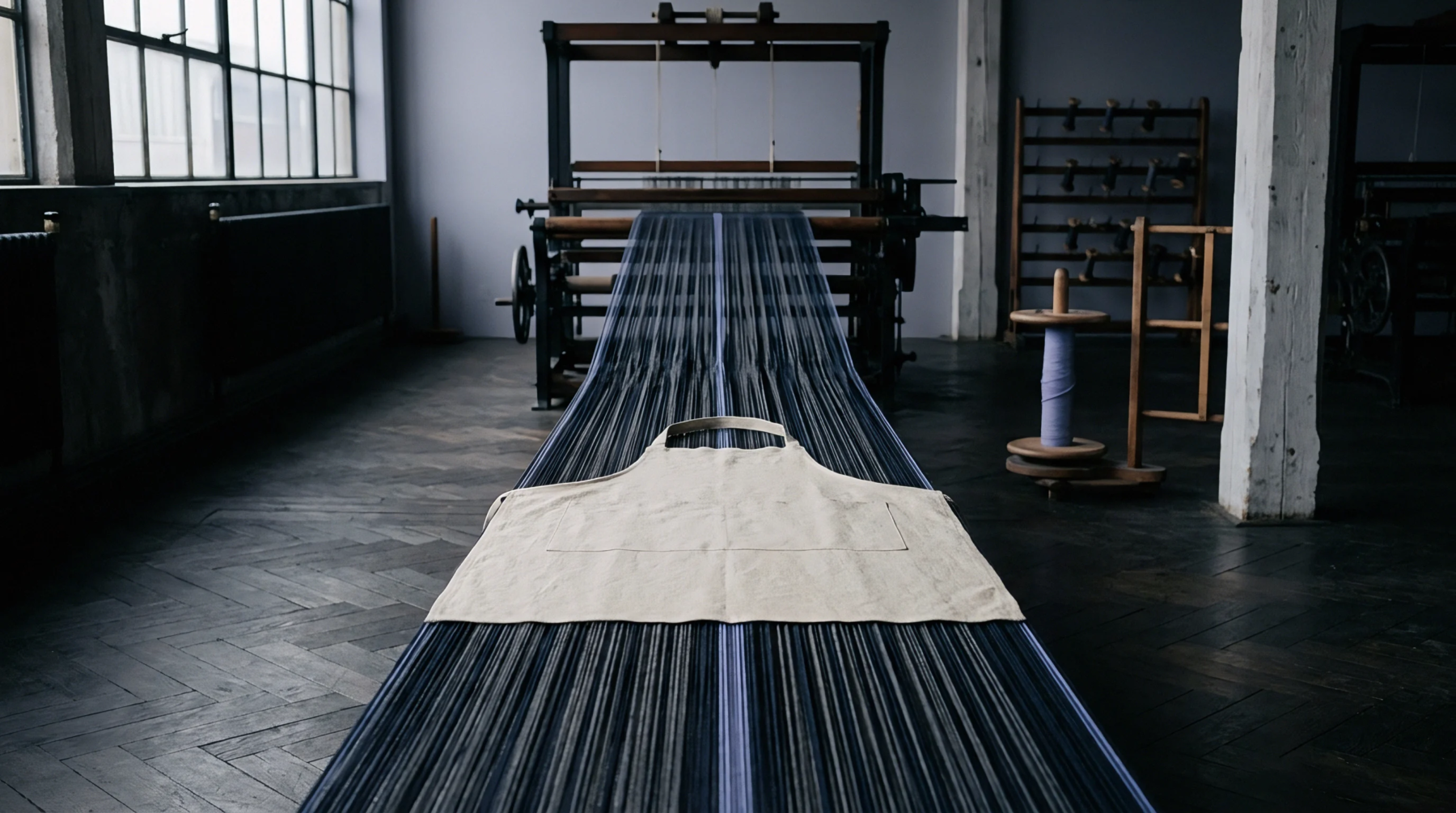
Automated mechanisms in the final finishing stage of Chinese linen production regulate the mechanical force applied to fabric rolls to prevent fibre distortion during wind up. This servo motorized ease off manages the pressure between the tensioning rollers and the winding core to ensure uniform density. It prevents permanent deformation in high quality linen textiles that are sensitive to excessive strain.
Sensors monitor the diameter of the winding roll and transmit data to the controller, which adjusts the torque output of the motor. The system maintains a constant force profile that offsets the weight of the spooling mechanism. This function stops when the roll reaches the specified diameter or when the target tension value drops below the mill established tolerance for that grade of fabric.
Process Control
Quality inspectors use the output data from this equipment to determine the mechanical stability of the final cloth batch. The production records indicate the deviation from target torque values during the winding process for every exported lot. Mill managers verify these figures against internal acceptance criteria rather than buyer standards.
Discrepancies between the recorded force and the baseline result in a hold on the shipment until a manual density test confirms the integrity of the weave. The calibration of these motors occurs before every shift to avoid fluctuations in roll pressure. A variation of five percent in the torque setting leads to an automatic audit of the finishing line speed and roller alignment.
Operational Boundary
Production facilities define the limit of the device by the thickness of the linen substrate and the total width of the weave. The system works only while the cloth remains under active mechanical control at the winder station. Heavyweight canvas grades require higher initial force settings than lighter shirting linens to avoid loose packing.
Changes in atmospheric humidity within the finishing room affect the pliability of the fibres and alter the required tension profiles during extended production runs. The servo motorized ease off provides the only method for dynamic adjustments that preserve the structural properties of the linen finish through the final stage of export preparation.