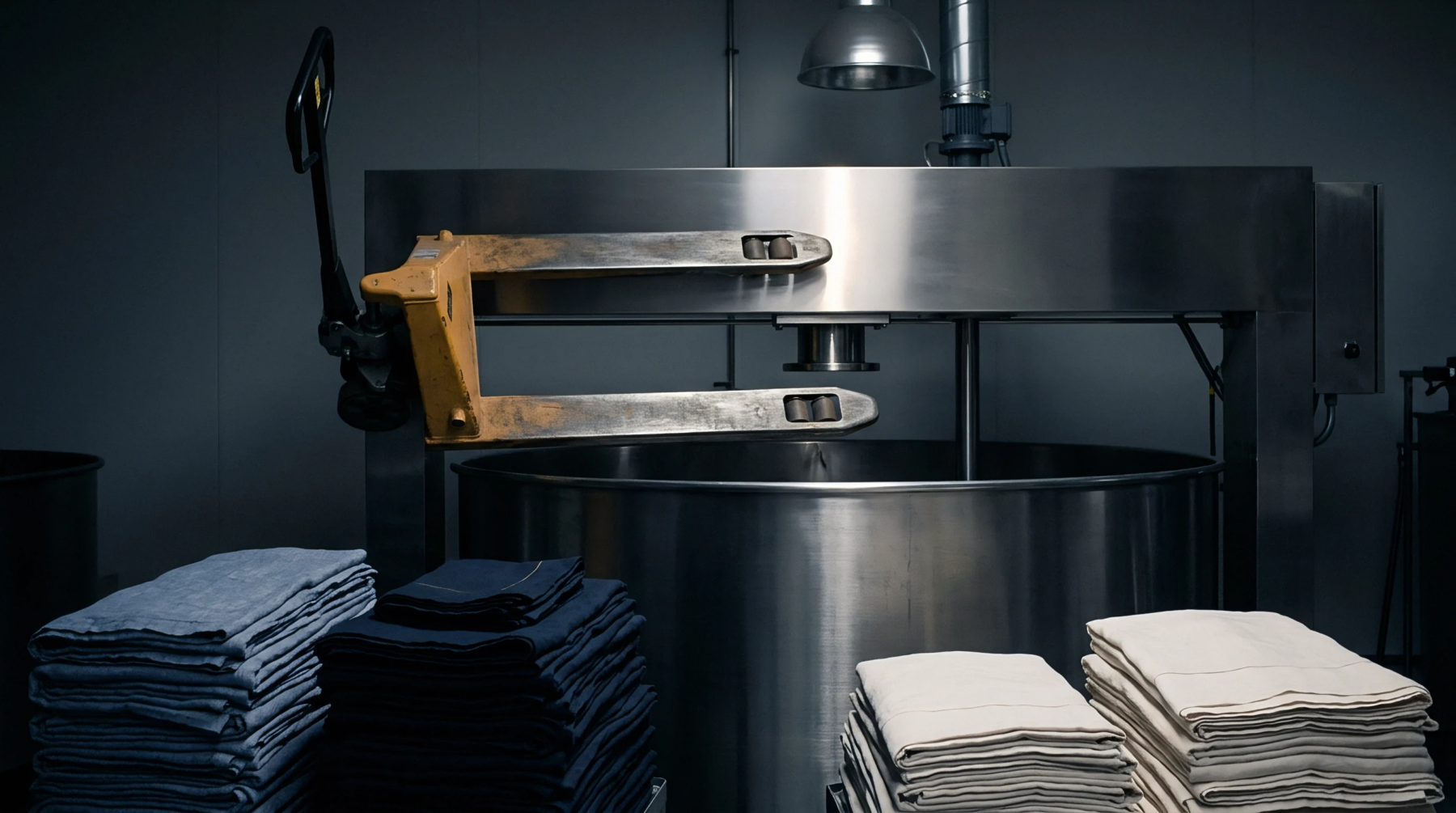
Material Segregation
Designated areas within a mill prevent the mixing of different fiber types or qualities during the production process. Establishing separation zones is a requirement for maintaining the purity of 100 percent linen products when other fibers are present on the site. These boundaries ensure that specific batches remain isolated from raw material storage through to finishing.
This practice is essential for accurate labeling and certification.
Operational Flow
Clear signage and physical barriers define where one process ends and another begins. In the context of separation zones, the mill must keep organic flax separate from conventional flax to satisfy traceability standards. Workers are trained to handle materials only within their assigned areas to prevent accidental cross-contamination.
These zones are audited regularly as part of the mill quality management system. The movement of waste and scrap is also controlled within these defined perimeters.
Contamination Control
Strict adherence to these spatial rules protects the integrity of high-value linen exports. Failures in maintaining separation zones lead to the rejection of entire shipments if foreign fibers are detected in a sample. The layout of the mill is designed specifically to facilitate this isolation while maintaining a logical flow of goods.
This structural discipline is a hallmark of a professional textile operation.