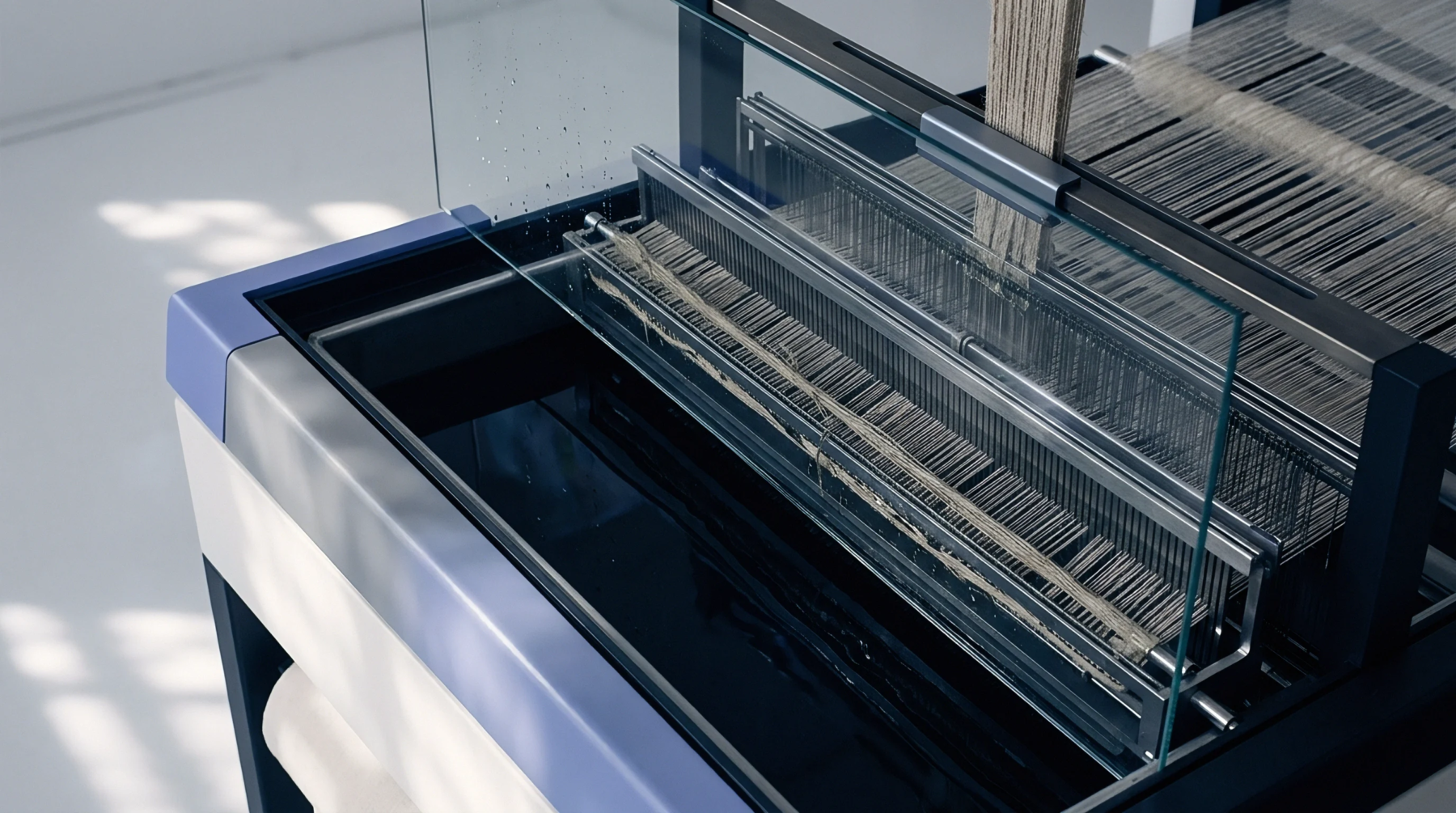
Edge Allowance
Weight deductions account for the excess fabric and binding materials removed from the sides of a woven roll during final inspection. Calculating the selvedge trimming tare represents the mass of the reinforced edges that are necessary for the weaving process but are not part of the finished garment-ready cloth. This figure is subtracted from the gross weight of the roll to determine the net weight for shipping and billing.
Accurate measurement of this waste is required for precise inventory management and cost accounting.
Mechanical Necessity
Fringed or tucked-in edges protect the integrity of the weave as the rapier pulls the weft through the warp. Because these edges are often denser or contain different yarns than the main body of the fabric, the selvedge trimming tare can vary significantly between different cloth constructions. Mills use specialized cutting tools to remove these strips before the fabric enters the dyeing or finishing range.
The weight of these discarded strips is recorded to ensure that the total material usage matches the original yarn input. This data is recorded in the mill’s waste management system for environmental auditing.
Waste Documentation
Tracking the percentage of material lost to these trimmings helps managers optimize the width of the loom for specific orders. A high selvedge trimming tare suggests that the warp was wider than necessary for the final product width. Reducing this gap saves raw material and lowers the environmental footprint of the mill by decreasing the volume of textile scrap.