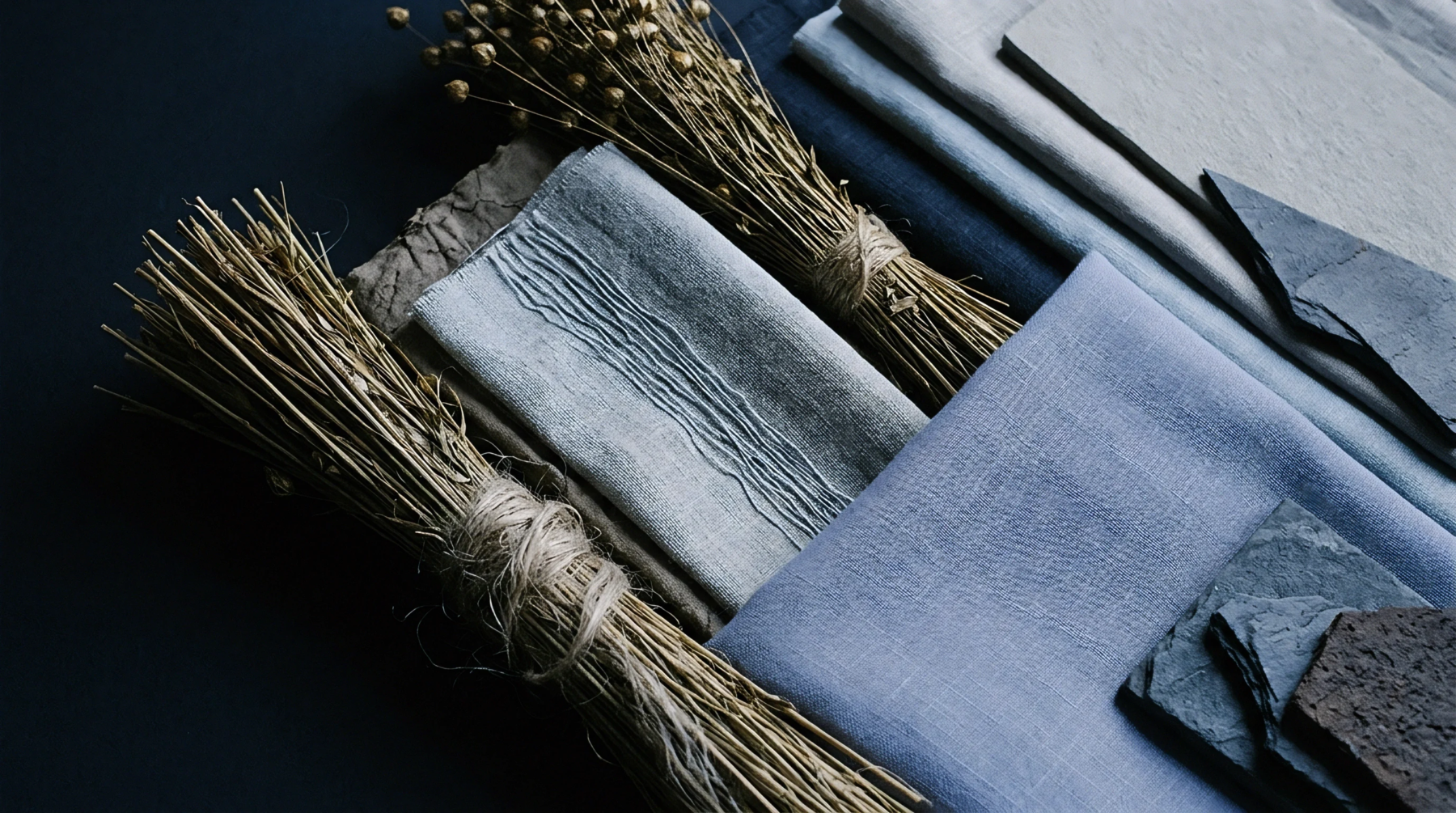
Predictive Modeling of Inter Fiber Lamellar Shear Failure in Ultrafine Wet Spun Linen Fabrics
Calibrating inter-elementary pectin matrix cohesive parameters against dynamic loom tension spikes prevents shear failure in ultrafine wet spun linen.
Determining the structural integrity of flax fibers requires a representative volume element during the sorting phase at the mill floor. Mechanical technicians extract this specific sample proportion from compressed bales before wet spinning begins to establish baseline tensile strength and cellulose orientation. Flax fibers vary significantly across a single harvest, making a strictly localized measurement useless for predicting yarn behavior under high tension on the spinning frame.
Technicians weigh the extracted fraction on calibrated laboratory scales and record the mass density within the quality ledger mandated by the mill production charter. Each sample must capture the natural variability of the plant material without altering the moisture content, which sits strictly between eight and twelve percent during the evaluation. This measurement stops applying once the roving enters the chemical boiling vats, because alkaline degradation alters the physical dimensions permanently.
The selected volume dictates whether the raw material batch meets the internal baseline standard set by the mill or falls short of the physical requirements demanded by industrial processors. Mill metallurgists and fiber engineers rely on this numerical boundary to prevent flawed lots from advancing into high speed automated spinning lines.
Spinning mills govern yarn uniformity through careful calculation of the representative volume element during continuous drafting operations. Bobbin tension and twist rates fluctuate constantly, requiring operators to isolate a specific physical domain of the twisted strand to measure linear mass density anomalies. A standard length of twenty meters passes through optical sensors every minute, capturing micron scale diameter shifts that signal structural weakness in the flax yarn.
Operators compare these sensor outputs against the strict acceptance criteria stipulated by international linen buyers rather than relying solely on the internal mill benchmarks. Buyer contracts typically demand a coefficient of variation below four percent for high grade apparel yarn, forcing mills to maintain tight control over drafting roller pressures. When relative humidity in the spinning room drops below sixty percent, electrostatic forces distort the fiber alignment and invalidate the volume calculation.
Operators adjust humidification valves immediately to restore stability before the yarn passes to the bobbin winding phase. This numerical consistency metric separates standard weaving yarn from defective lots destined for industrial cordage rather than fine textiles.
Woven linen fabric undergoes rigorous mechanical testing where the representative volume element defines the precise area subjected to warp and weft tensile stress. Quality inspectors cut fifty centimeter square swatches from the final finished bolt after bleaching and calendering operations conclude in the finishing department. This specific cloth area contains a fixed number of warp and weft threads, allowing laboratory technicians to calculate the breaking load per centimeter with high repeatability.
Fabric grades depend entirely on whether the tested swatch withstands the minimum breaking force mandated in the commercial delivery agreement signed by the exporter. A fabric grade represents the finished material structural performance, whereas a fiber grade measures raw botanical tenacity before spinning ever commences. Inspectors record the ultimate tensile strength values inside the export certification document accompanying the container to the port of destination.
Variations in yarn twist direction across the tested swatch create localized stress concentrations that alter the final elongation reading significantly. Mechanical failure along the weft direction invalidates the entire batch certificate, forcing the mill to downgrade the cloth from garment grade to domestic utility grade.
Calibrating inter-elementary pectin matrix cohesive parameters against dynamic loom tension spikes prevents shear failure in ultrafine wet spun linen.
Expertise is a utility, not a secret. sentiention™ publishes its working knowledge as open reference: intelligence layer covering the materials it sources, the markets it enters, and the reference that serves both.