Friction Impact
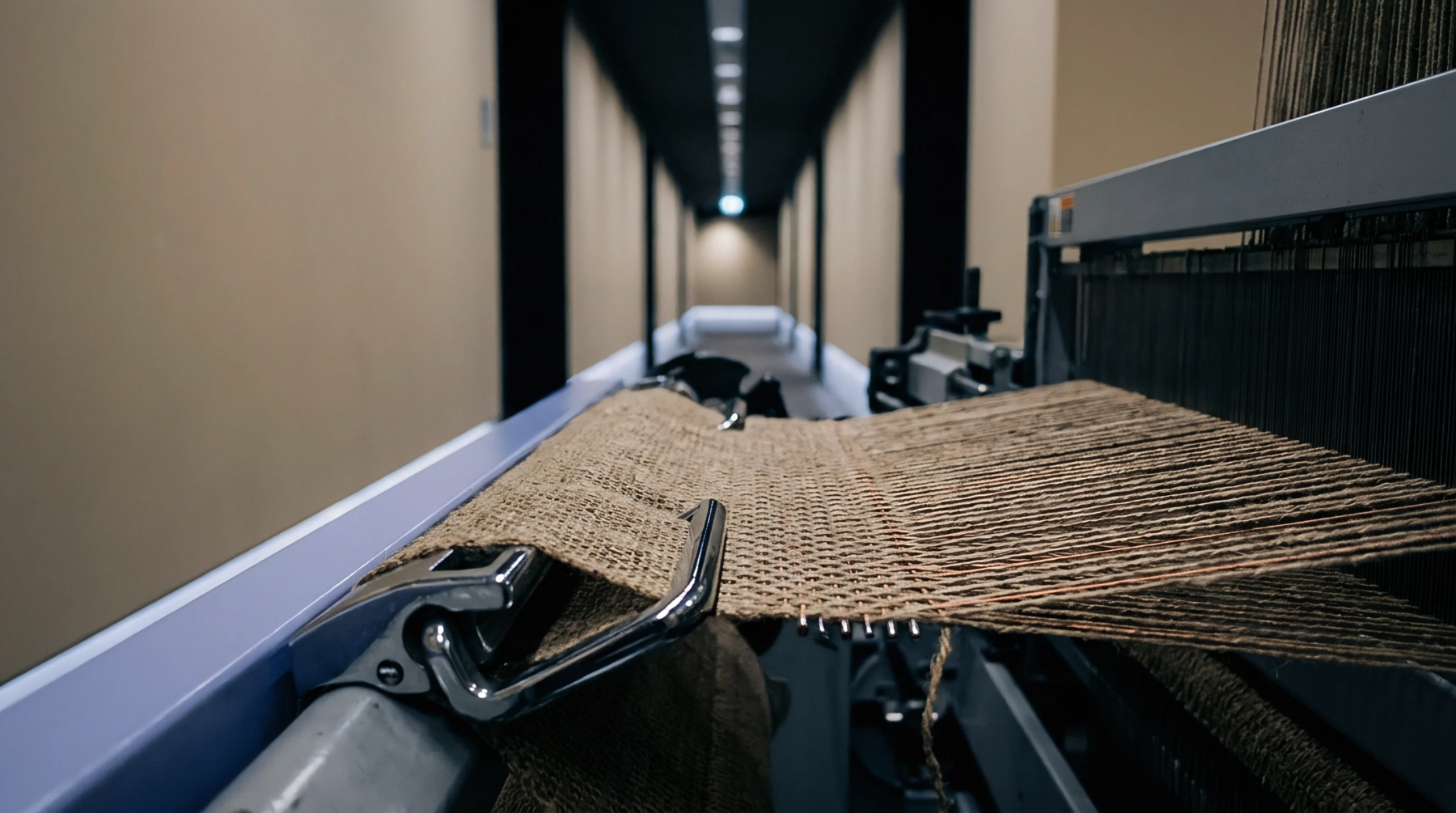
Surface wear caused by the repetitive friction between the warp yarns and the metal dents of the loom reed during the beat up process. The phenomenon of reed split abrasion occurs every time the reed moves forward to push the pick into the fell of the cloth. Hardened steel or ceramic coatings are often applied to the reed to minimize this friction.
Linen yarns are particularly susceptible to this damage because of their low elasticity and high surface roughness.
Loom Performance
Excessive friction results in the fraying of the warp yarn and can eventually lead to end breaks that halt the loom. Factors such as the density of the reed and the speed of the weaving machine determine the intensity of the reed split abrasion. If the warp is poorly sized, the protective film fails, causing the individual fibers to be stripped from the yarn core.
This loss of material creates small clumps of lint that can become trapped in the weave, creating visual defects in the finished fabric.
Surface Integrity
Frequent inspection of the reed surface allows the mill to detect burrs or rough spots before they cause extensive damage. Maintaining low levels of reed split abrasion is necessary for producing high density linen fabrics for the export market.