Alignment Protocol
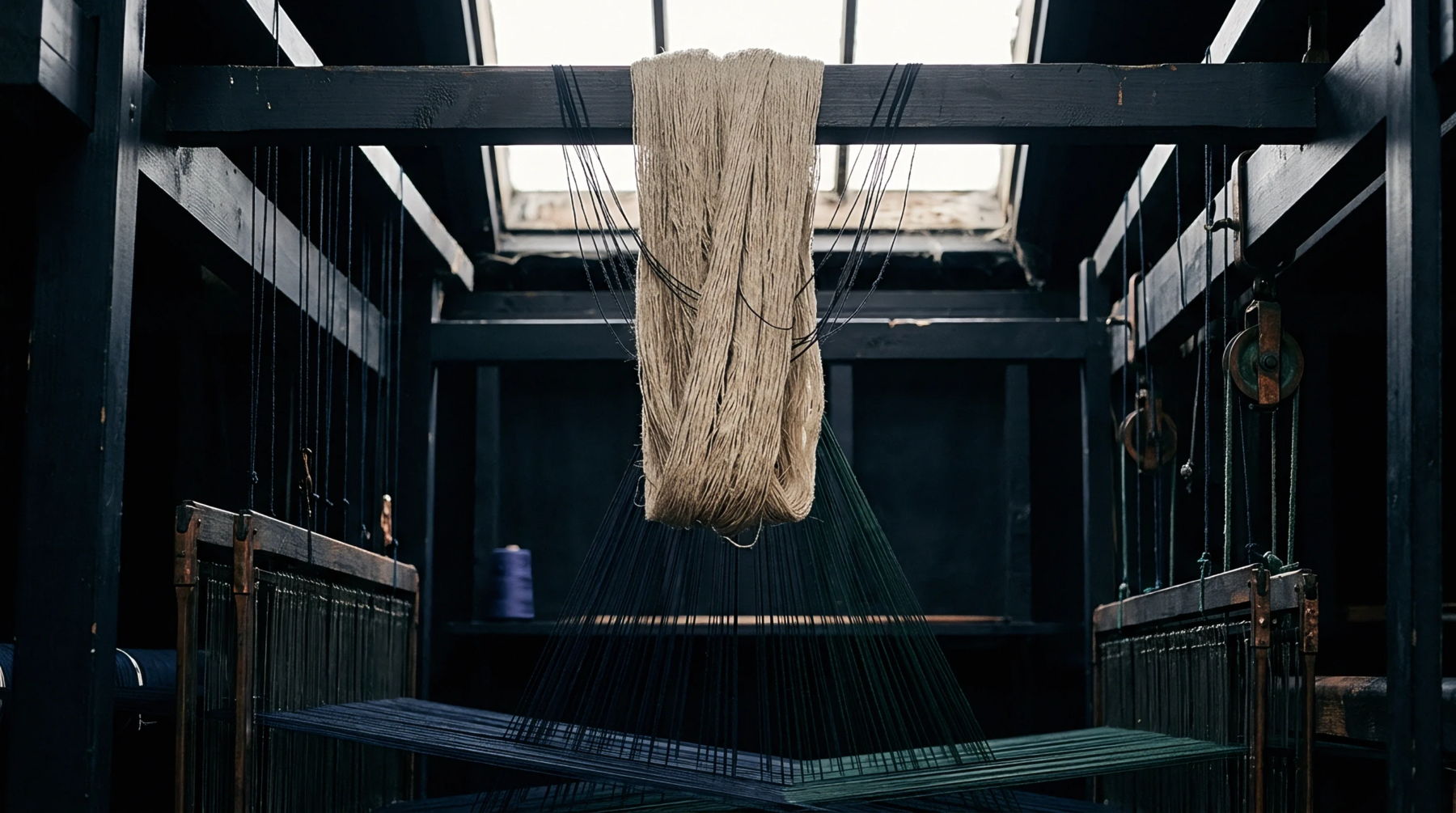
Systematic mechanical alignment of fill insertion components ensures accurate yarn transport across wide reed spaces. Performing rapier loom calibration aligns left and right rapier heads, tape guides, and clamp opening mechanisms relative to the loom center line. Machine setting sheets record gripper height, insertion timing, and tape stroke geometry prior to processing high-density linen fabrics.
The alignment procedure establishes precise mechanical interaction between moving insertion elements during high-speed production.
Transfer Synchronization
Filling yarn transfer at loom midpoint demands precise synchronization between donor and acceptor rapier heads. During rapier loom calibration, technicians set clamp opening cams and yarn tensioning clamps to handle stiff, low-elasticity linen weft yarns without slippage or filament damage. Precise mechanical timing prevents pick loss and filling stop occurrences, maintaining high loom efficiency during export cloth production.
Maintenance logs record gripper clamping forces in grams to verify consistent yarn retention across continuous shifts. Precise timing adjustments prevent yarn fraying during high-speed head interaction at the center of the shed.
Tolerance Limit
Deviation limits define acceptable mechanical tolerances before fabric defect rates exceed commercial limits. Improper calibration causes insertion failures, selvedge loop defects, or pick density irregularities, resulting in cloth downgrading during final grading. Mill inspection protocols separate routine shift maintenance parameters from buyer fabric specification requirements.
Correct calibration maintains fabric uniformity across extended production runs.