Nutrient Input
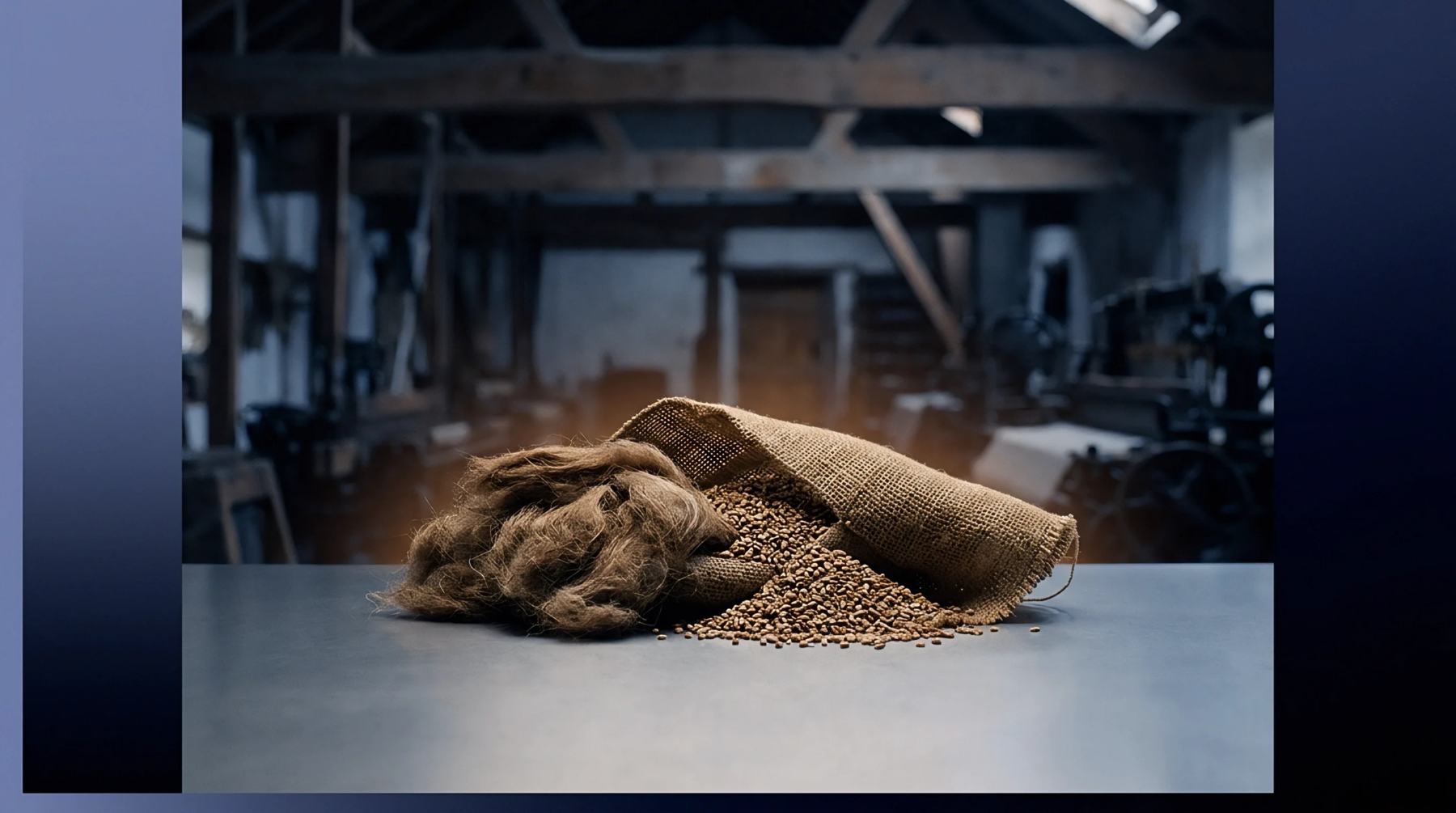
Natural soil amendments composed of decomposed animal waste or plant matter provide a slow-release source of nutrients for flax cultivation. Direct application of organic manure improves the soil structure and enhances the water-retention capacity of the fields. This ecological approach supports the growth of long, flexible flax stalks that yield high-quality textile fibres.
Soil Interaction
Decomposition of the added material occurs gradually over the growing season as soil microbes break down the complex organic compounds. Applying organic manure ensures that nitrogen is released at a rate that matches the biological demand of the flax plants. This contrasts with synthetic fertilizers that often release nitrogen too quickly and cause the stems to grow too rapidly, resulting in thin, weak fibres.
The slow release helps in developing dense, thick-walled bast cells that are highly prized for spinning fine yarns. Farmers record the application rate and composition of the soil amendments to certify the organic status of the crop for international buyers.
Agronomic Constraint
Excessive application of these natural nutrients can still lead to over-fertilization and lodging of the flax crop. Soil testing is required before application to determine the correct dosage. The use of this amendment is restricted to the pre-sowing period to prevent contamination of the growing stalks.