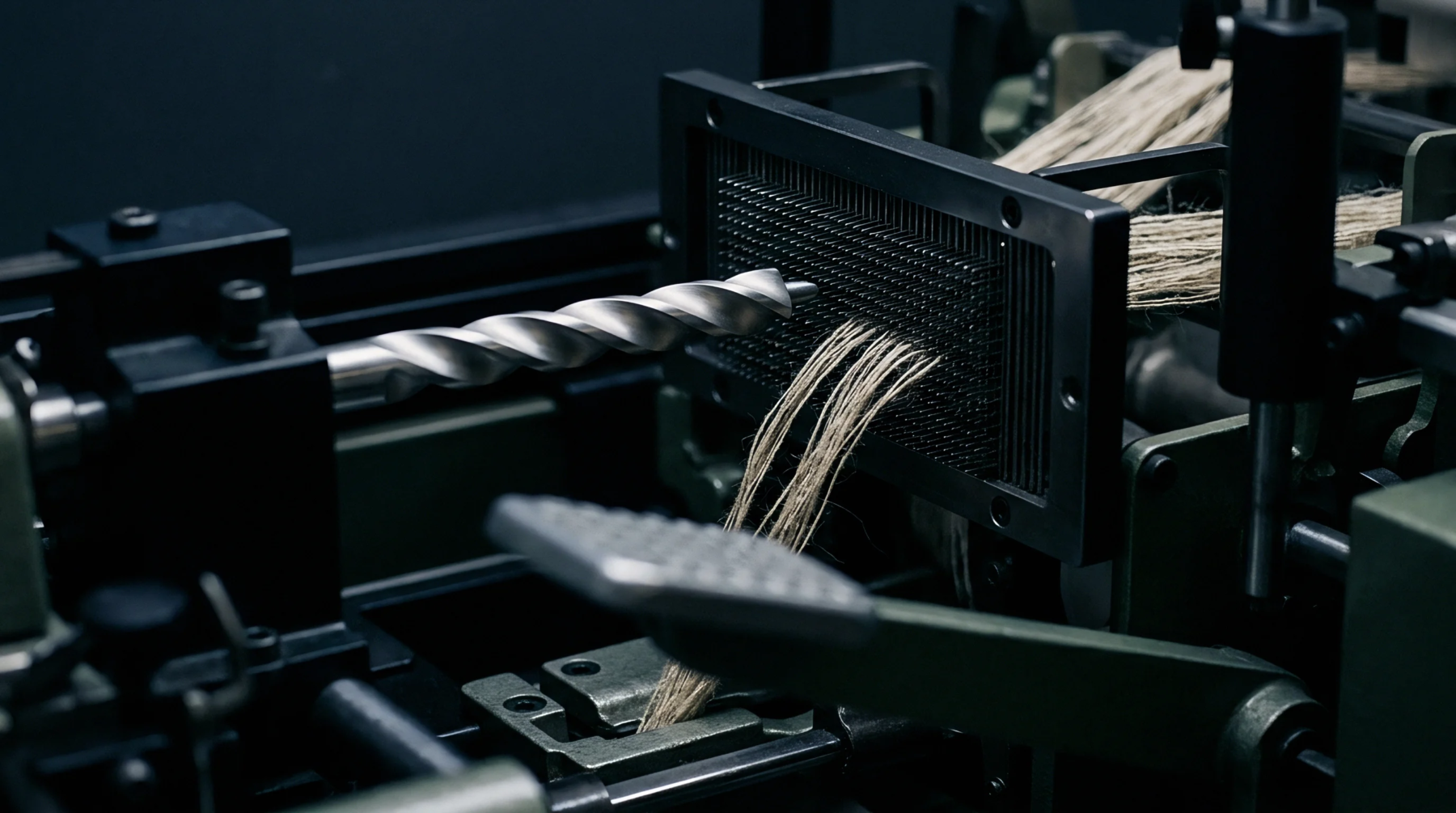
Fiber Conditioning
Atmospheric moisture absorption within flax processing determines the accurate mass of dry cellulose transferred across industrial spinning operations. Official regain defines the legally recognized water percentage added to oven-dry weight for commercial billing calculations. Chinese spinning mills operate within specific humidity bands to keep ambient vapor pressure aligned with contractual thresholds.
Commercial documents record this calculated ratio to separate dry material value from absorbed water mass.
Yarn Verification
Testing laboratories determine exact moisture content by weighing conditioned flax samples before and after thermal drying in forced air ovens. Supervisors apply standard mathematical corrections to raw mass figures recorded during high speed yarn production runs. Moisture meters measure electrical resistance across roving packages to estimate retained water before drafting frames release material to ring spindles.
Laboratory technicians certify compliance against agreed buyer specifications using standardized ambient chambers maintained at constant temperature.
Commercial Settlement
Purchase agreements link final invoice values directly to certified moisture measurements established at the point of export dispatch. Spinning mills absorb financial penalties whenever delivered yarn exceeds allowable humidity limits defined in international trade rules. Buyers deduct excess water weight from gross consignment totals before transferring funds to primary processors.
Precise moisture accounting prevents disputes between producers and overseas merchants regarding the actual quantity of dry fiber supplied in bulk shipments.