Specimen Preparation
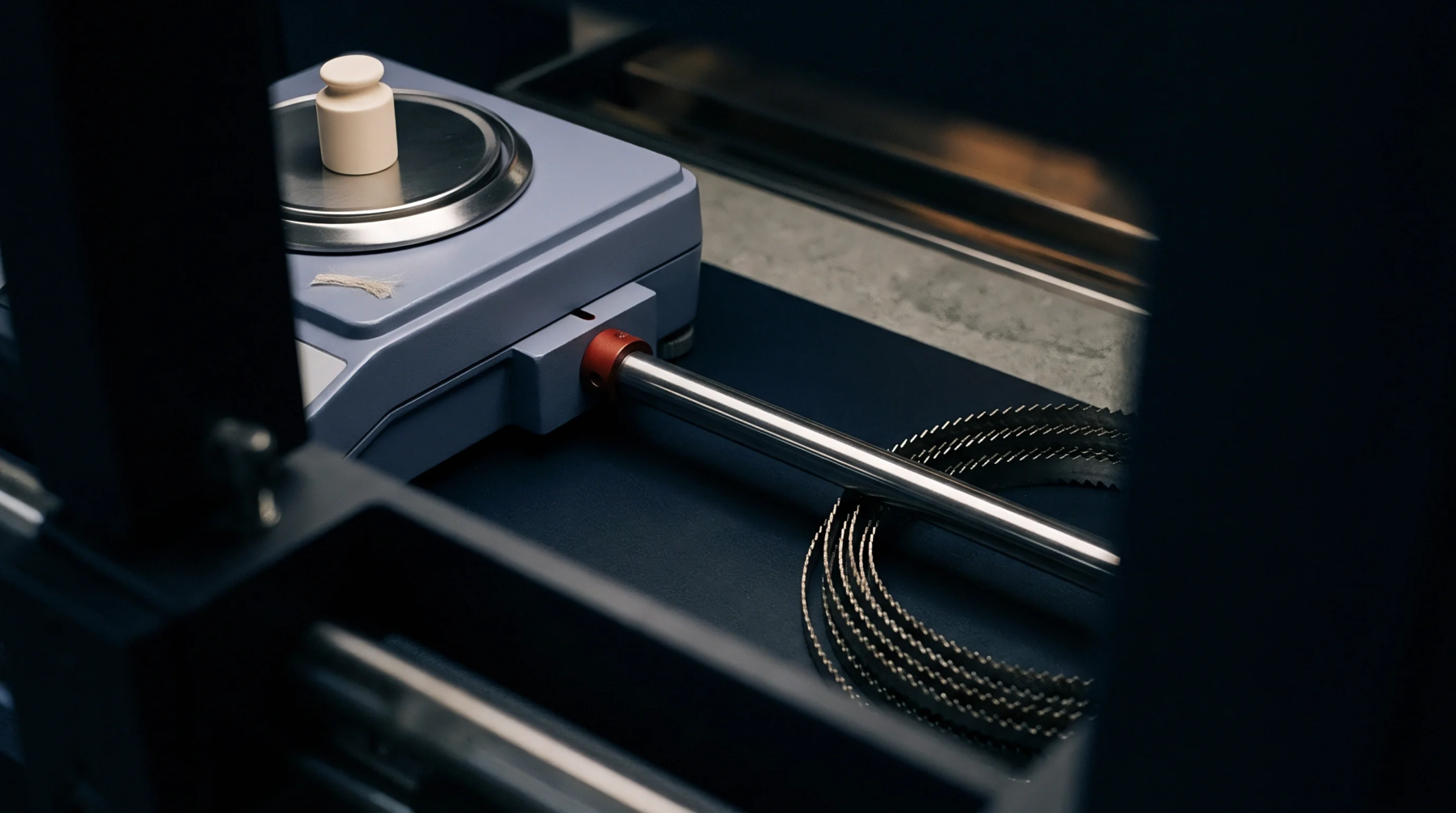
Mechanical slicing methodology for microscopic specimen preparation produces ultra-thin transverse slices of fibrous materials for structural examination. In linen research and quality testing laboratories, microtome cross sectioning cuts embedded bast bundles into sections between five and ten micrometres thick without crushing cellular walls. Boundary limits confine this protocol to transverse physical slicing, ending where longitudinal snippet mounts are utilised.
Resin Embedding
Technicians align technical flax fibres into compact parallel tuffs before embedding them in fast-curing synthetic resins or paraffin wax blocks. A hardened steel or disposable diamond blade advances across the specimen face in micro-stepped vertical increments. Hardness balance between the resin matrix and tough bast cellulosic walls prevents blade deflection and cross-sectional tearing.
Chinese mill inspection laboratories mount the resulting ribbon slices on glass slides using immersion oils. Quality reports log slice uniformity prior to digital image acquisition.
Cellular Evaluation
Morphological analysis of cut sections enables direct measurement of elementary fibre wall thickness, internal lumen area, and bundle grouping count. Accurate transverse imagery reveals whether chemical degumming successfully split coarse technical bundles into spinning units without causing fibre degradation. Mill quality controllers correlate bundle splitting ratios derived from microtome cross sectioning with achieved spinning yarn counts on wet frames.
European linen buyers specify cross-sectional bundle counts on technical product sheets to ensure soft hand feel in exported sheeting textiles. When yarn breakage rates elevate during high-speed spinning, laboratory microtomy diagnoses whether unseparated pectin bundles or defective roving drafts caused the structural failure. Microscopic inspection logs confirm structural compliance before mill batches receive export clearance.