Cellulose Degradation
Biological degradation processes destroy structural cellulose in damp flax straw when fungal and bacterial populations proliferate beyond controlled retting thresholds. Flax storage facilities in humid regions monitor baled straw to prevent microbial respiration rot from degrading fibre tensile strength. Aerobic micro-organisms consume cell wall polysaccharides, converting structural pectin and cellulose into carbon dioxide and metabolic heat.
The condition occurs primarily when straw is baled at moisture levels above sixteen percent or exposed to water ingress during warehouse storage.
Metabolic Heating
Heat generated by fungal activity inside densely packed flax bales accelerates enzymatic breakdown of the primary cell wall. Temperatures inside affected bales can exceed sixty degrees Celsius, creating localized dark discoloration and structural embrittlement of the bast fibre bundles. Spinning mills assessing damaged bales note a characteristic musty odor and brittle fibre hand, which causes severe fibre breakage during hackling and drafting.
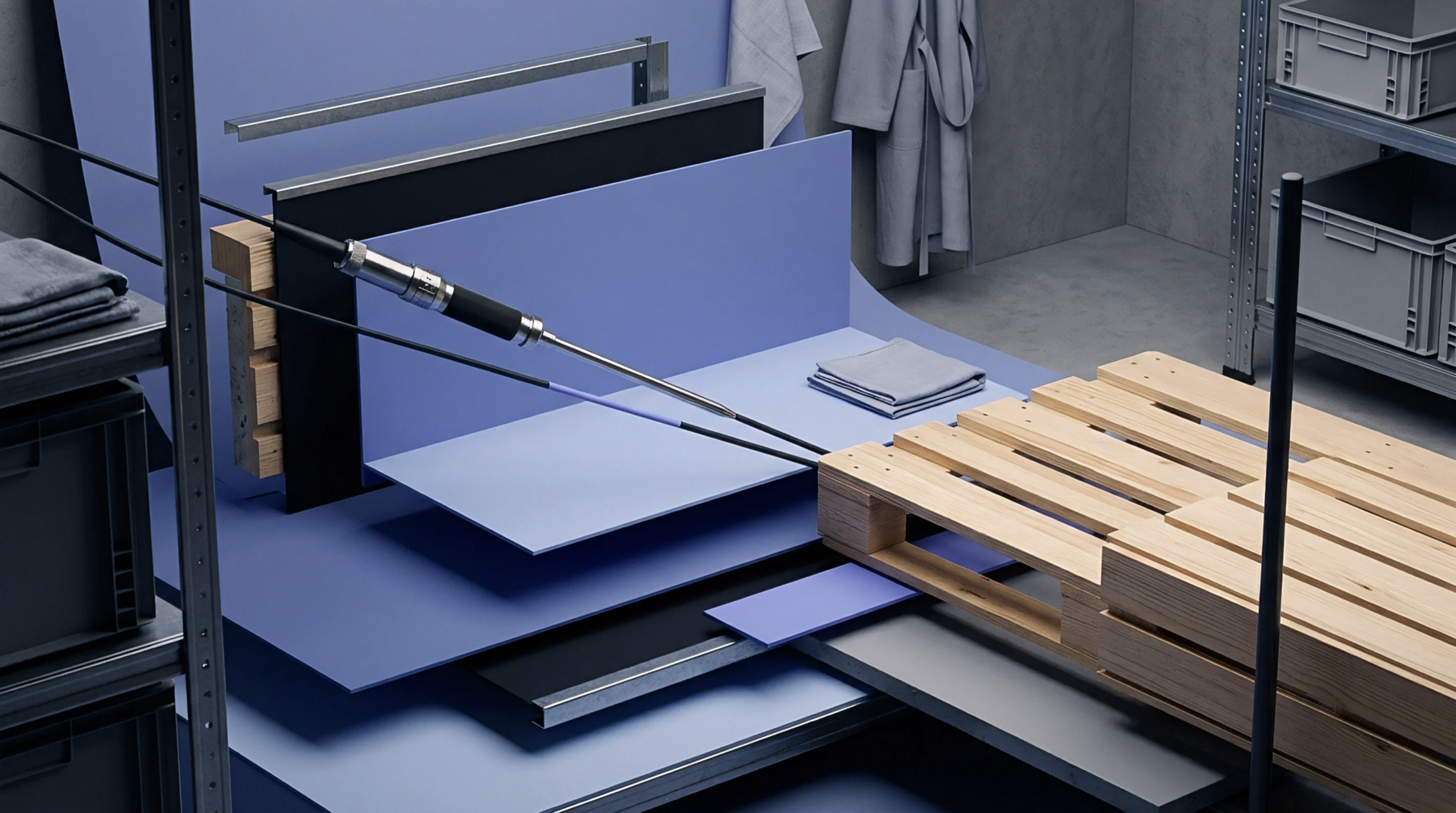
Advanced cases of microbial respiration rot digest the middle lamella entirely, separating individual microfibrils and reducing hackled line fibre yield to unusable short tow. Moisture probes inserted deep into stored bales detect heat spikes early, allowing warehouse managers to isolate and dry affected lots before structural damage spreads. Relative humidity in storage sheds must be maintained below seventy percent to suppress microbial spore germination.
Tenacity Loss
Fibre bundle tenacity tests performed on damaged lots show dramatic drops in single-fibre breaking force measured in grams per tex. Yarns spun from damaged raw material exhibit high thin-place counts and excessive end breaks during spinning. Severe infection invalidates seller quality guarantees and leads to full bale rejection under mill intake terms.