Chemical Composition
The insoluble residue remaining after strong acid hydrolysis of plant tissue represents the primary measurement of structural polymer concentration in flax fibres. High klason lignin content indicates that the flax has been insufficiently retted or originates from a coarse crop. This chemical parameter helps evaluate the potential softness of the finished linen fabric.
Spinning Performance
Fibre flexibility improves as the non-cellulosic components of the cell wall are reduced during the chemical or biological retting phase. When the klason lignin content is high, the fibre bundles remain rigid and resist the drafting action during wet spinning. This stiffness leads to uneven yarn thickness and frequent breakages on the spinning frame.
Treatment Modification
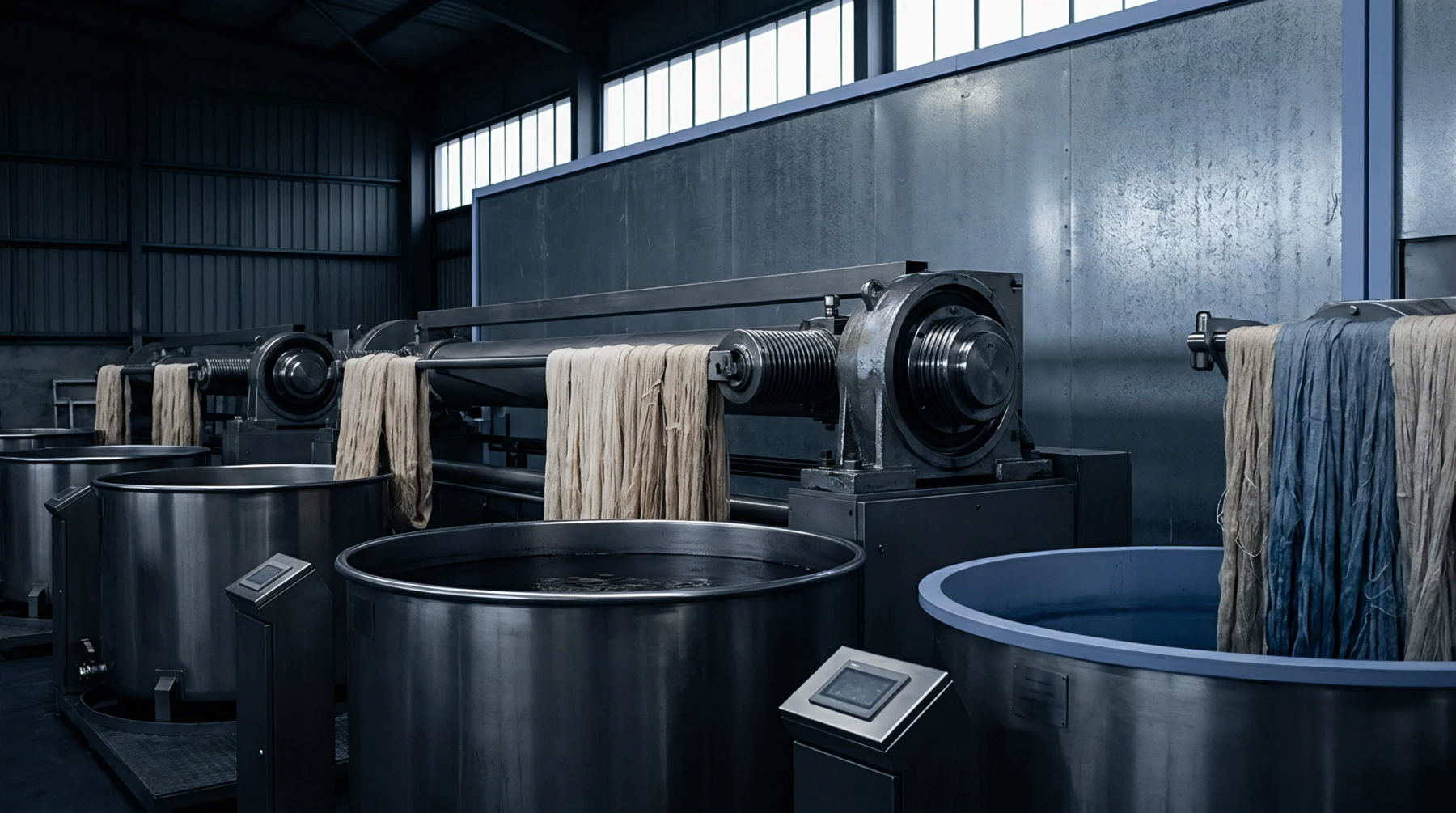
Bleaching processes must be adjusted according to the amount of acid-insoluble lignin present in the raw yarn. A low klason lignin content allows the mill to use milder bleaching agents, which protects the cellulose chains from chemical degradation. High concentrations of lignin require stronger chemical treatments, which can weaken the fibre structure and reduce the durability of the woven textile.
Understanding this chemical state ensures the selection of the correct chemical concentration for each batch. This prevention of excess chemical usage preserves both fabric strength and treatment cost.