Equilibrium Standard
Standardized environmental parameters for textile testing define a controlled atmosphere of twenty degrees Celsius and sixty-five percent relative humidity to ensure reproducible physical property measurements across international laboratories. Implementing ISO 139 atmosphere conditioning establishes a consistent moisture equilibrium state in hygroscopic linen fibers before tensile strength or yarn linear density evaluations occur. Flax fibers absorb water vapor rapidly, altering mechanical stiffness and cross-sectional dimensions when ambient humidity fluctuates.
The standard requires specific air velocity and continuous climate recording inside the testing chamber. This standard governs pre-test conditioning protocols and does not regulate long-term mill warehouse storage conditions.
Moisture Recovery
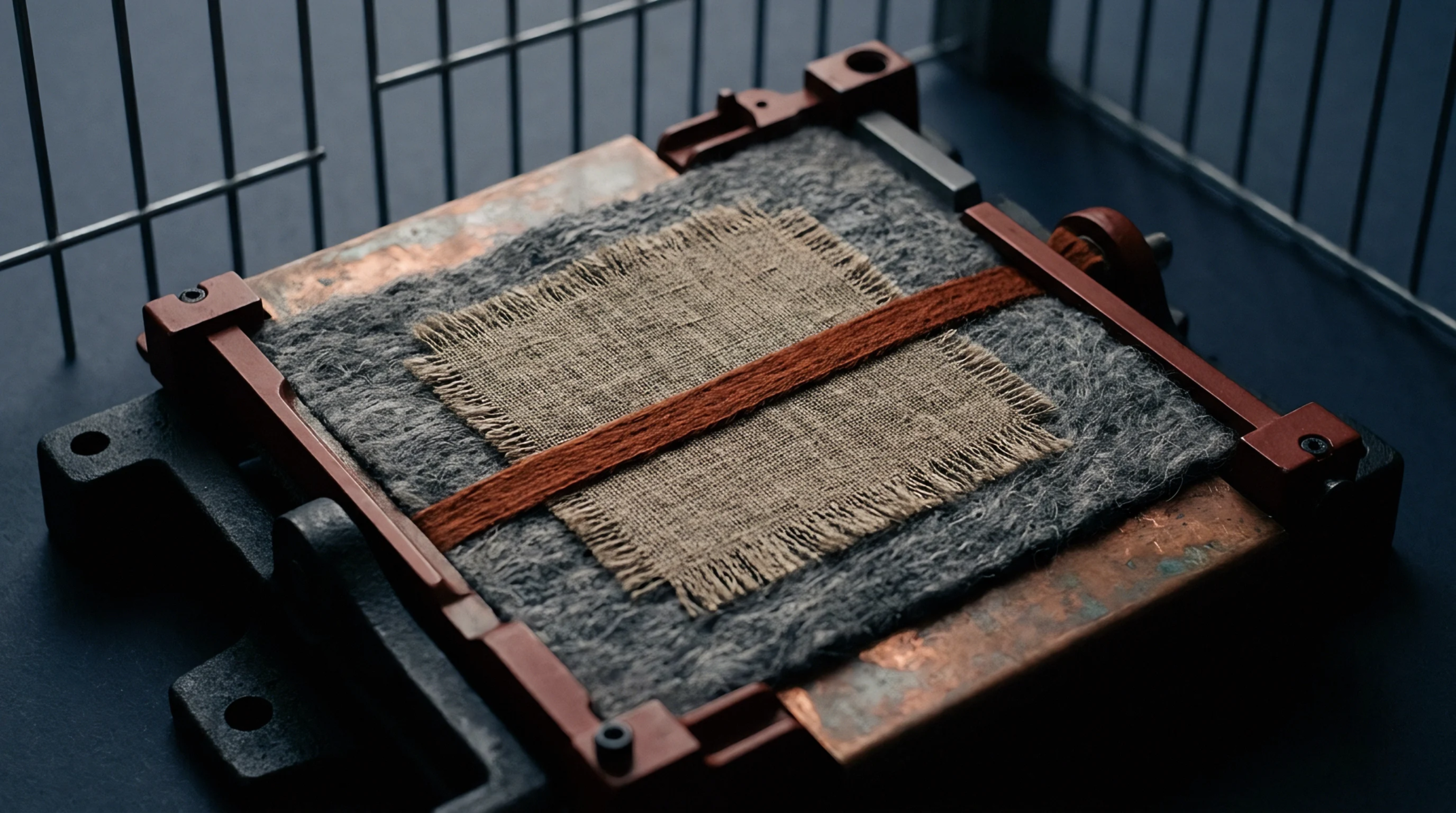
Conditioning chambers maintain strict climate tolerances of plus or minus two degrees Celsius and plus or minus four percent relative humidity. Linen samples pre-conditioned in dry air below ten percent relative humidity reach moisture equilibrium faster when subsequently exposed to the standard test atmosphere. Lab operators place unwound yarn hanks or single fabric swatches on perforated racks to ensure free air circulation around all surfaces.
Equilibrium is reached when successive weighings at two-hour intervals show mass changes smaller than one tenth of one percent.
Testing Reliability
Unconditioned flax testing yields erratic breaking force values and false linear density readings. Adhered moisture standards eliminate environmental variation between mill testing sites.