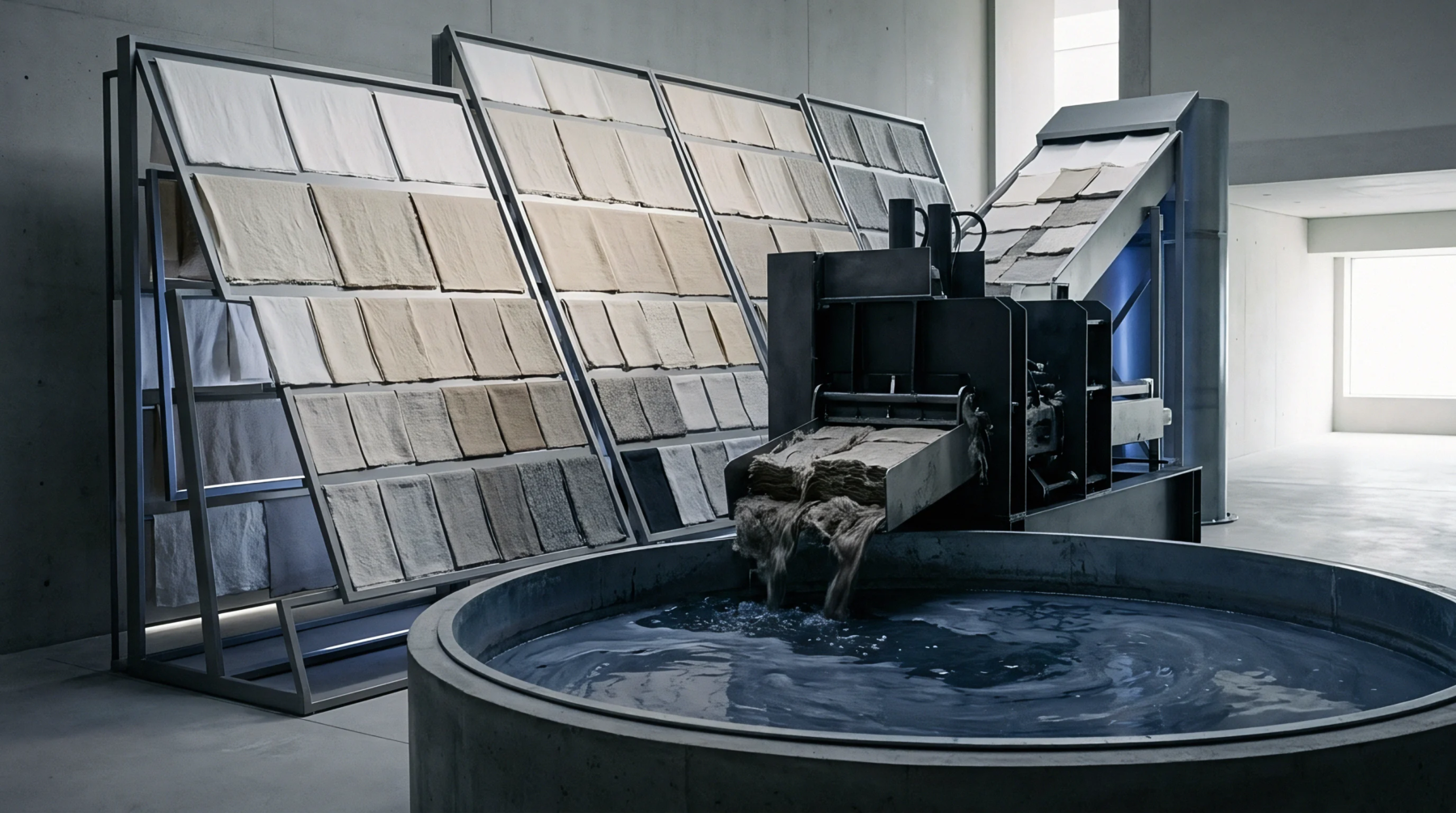
Pretreatment Protocol
Green extraction techniques for lignocellulosic agricultural byproducts use pressurized hot water to dissolve hemicelluloses from woody plants. In linen processing, hydrothermal autohydrolysis is deployed to break down the non-cellulosic matrix of flax shives without adding synthetic acids or organic solvents. This method relies on the self-catalysing action of organic acids released from the biomass itself at temperatures between one hundred and sixty and two hundred degrees Celsius.
The resulting liquid fraction, rich in dissolved sugars and acetic acid, is recorded in the laboratory extraction ledger.
Fibre Separation
Pressurized reactor chambers keep the process water in a liquid state at these high temperatures to facilitate the reaction. During this stage, hydrothermal autohydrolysis breaks down pectin and hemicellulose, allowing spinners to recover high-quality bast fibres with less energy than traditional retting. The treated biomass is washed and then dried before being spun into fine linen yarn.
Mill technicians list these autoclave pressure curves on the daily treatment sheet.
Fibre Yield
Yield logs document the dry weight of recovered flax fibre after each run. Workers compare this yield with standard biological retting averages. Efficient extraction maintains yarn strength while reducing the processing time from several weeks to three hours.