Fibre Modification
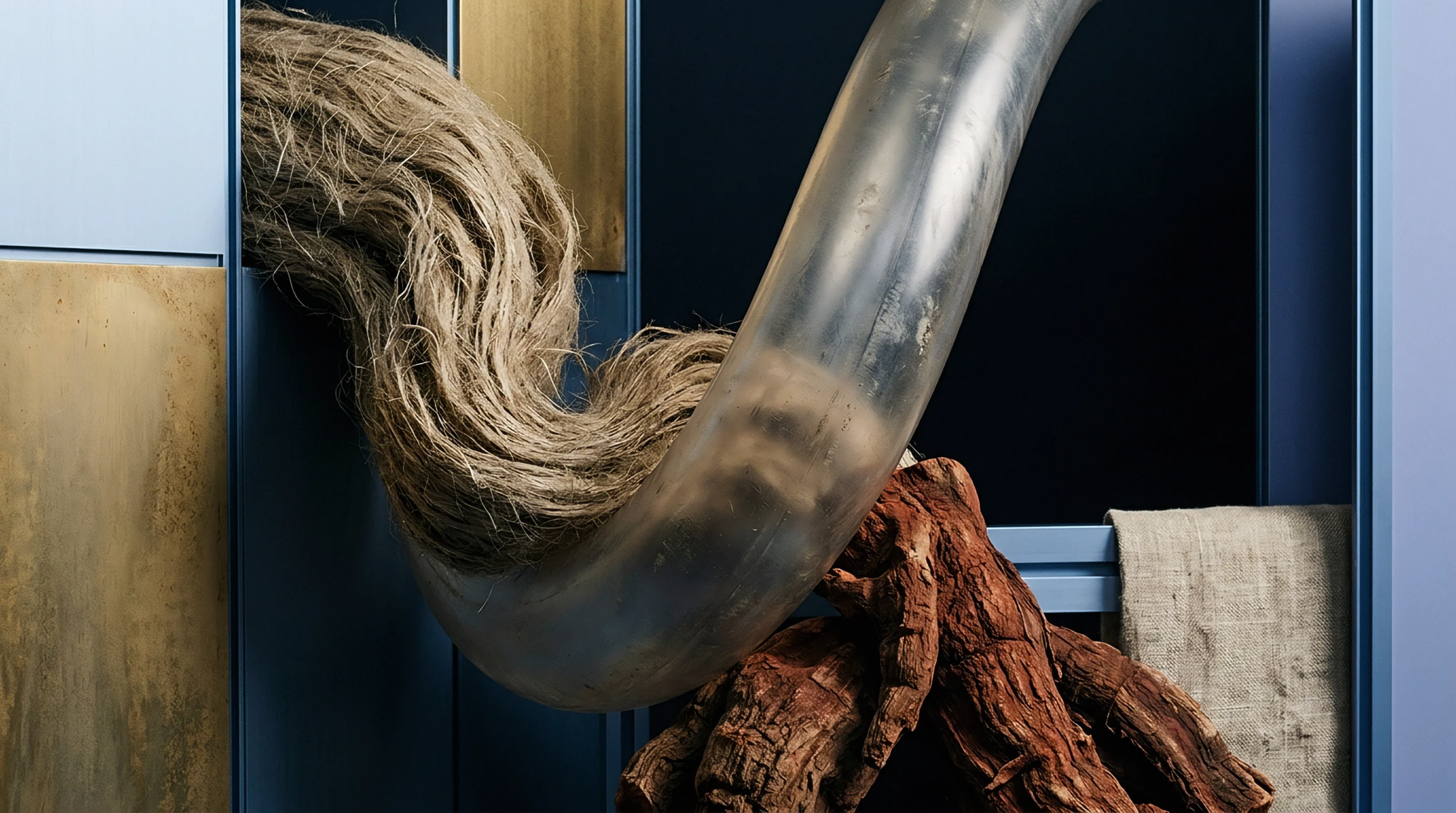
Hydro-thermal plasticization is a wet treatment method applied during the initial softening stage of flax fibre preparation in Chinese spinning mills. Hot water soaking combined with controlled steam pressure softens natural plant pectins before mechanical scutching separates technical fibres from woody shives. Production managers monitor bath temperature and pressure levels closely during this phase because excess heat damages cellulose chains inside the primary cell wall.
Raw material batches entering the wet mill undergo treatment according to internal mill protocols rather than external buyer criteria. Finished output from this stage receives an internal quality grade based on residual gum content and flexibility measurements recorded in the mill production log.
Moisture Equilibrium
Bound water molecules within the treated bast strands shift during subsequent drying cycles to stabilize the physical structure before spinning begins. Steam application alters internal hydrogen bonding networks, which allows stiff technical fibres to bend without breaking during high speed carding operations. Ambient humidity levels inside the conditioning chamber dictate the exact drying duration required to reach a stable moisture percentage.
Operators check daily atmospheric readings against standard limits to prevent premature fibre brittleness before drawing frames process the sliver.
Commercial Standard
Final yarn tensile strength depends directly on how effectively the preceding softening phase reduced microstructural rigidity without weakening the cellulose backbone. Export buyers evaluate finished linen yarns against established commercial grades rather than mill processing parameters. Independent testing laboratories measure breaking tenacity and elongation percentage under standard atmospheric conditions to issue official compliance certificates.
Contractual disputes occasionally arise when mill internal moisture measurements diverge from buyer acceptance limits tested upon port arrival.